Need help?Jamie

TROJAN DIGITAL MARKETING

Indianapolis Marketing Agency for Local Customer Journeys

Which marketing job should your Indianapolis business tackle first? A Mass Ave restaurant needs a different customer journey from a supplier near Park 100. We'll discuss the service you sell, where customers hesitate and who handles their inquiries. That helps us choose between website work, search, paid campaigns or follow-up. Work is priced after the free strategy call.

Trojan Digital Marketing is based here and works nationally. This page explains local campaign choices. Use the Indianapolis area and service directory to browse neighborhood resources.

The first strategy call is free, and during business hours we aim to reply within five minutes.

Jeff Clerisier founded Trojan Digital Marketing in March 2018.

We’re based in Indianapolis, where the city and Marion County share one government, Unigov.

We also work with clients across the United States.

Read our Google reviews

One city. Different customer decisions.

Match the page to the kind of inquiry your business needs.

Mass Ave + Fountain Square
Plan a visitOffer, hours and booking
Castleton + Keystone Crossing
Choose an appointmentService, fit and preparation
Park 100
Scope a business projectCapabilities and requirements
See the Indianapolis page priorities

Our work

Businesses we’ve worked with

  • Florentine Skincare and Cosmetics logo
  • Stratus Tech logo
  • Lynwood and Co Café logo
  • Grain Theory logo
  • Georgetown Market logo

Jeff Clerisier was Georgetown Market’s marketing director from 2023 to 2025, and the store later hired Trojan Digital Marketing.

Services

Choose the work your Indianapolis business needs

Start with the customer task that's getting stuck. We can coordinate several channels, but each should have an agreed job and a receiving team. Compare the service scopes if you're still choosing the kind of work.

SEO Delivery for Indianapolis Businesses

If customers can't find the service page they need, start with technical SEO in Indianapolis. We check crawl access, internal links and page structure. For questions about coverage or service conditions, compare Indianapolis SEO services. Your actual offer guides the choice.

Website Design for Indianapolis Businesses

A retail visit, a professional appointment and a commercial quotation need different page details. We build around the journey that fits your offer, with clear service information, relevant examples and forms your team can use. Mobile checks include navigation, readability and the final submission.

Paid Ads for Indianapolis Businesses

Separate the customer requests your team wants from searches that share a word but need something else. We align the campaign, exclusions and landing page with your offer, then compare spend with the inquiries you accepted. Coverage should follow the addresses and jobs your team can serve.

Video Editing for Indianapolis Businesses

We edit every video on the Jerry Super YouTube channel, one of the case studies below. We shape interviews, demonstrations and project material into a story with a clear opening and an understandable next step. Pacing, captions, graphics and sound support the explanation; performance is reviewed after publication.

AI Marketing Workflows for Indianapolis Teams

Follow an inquiry from the campaign through staff follow-up. We can scope intake details, draft responses and human handoffs through AI marketing workflow setup. Your team approves public information and controls sending. Invoice or document tasks belong in a separate office automation scope.

Social Media for Indianapolis Brands

Give each content theme a business purpose and a reliable source. A retail update may help someone plan a visit; a commercial project post may help a buyer assess your capabilities. We connect the message, creative and destination, then review the responses your team can attribute to the work.

Marketing Startup Kit for an Indianapolis Launch

Put your first offer on solid ground with a coordinated identity, website and launch content plan. We work through the details a customer needs to choose you, the evidence you can supply and the contact route your team can support. Additional channels need a clear job before they join the plan.

Works

Indianapolis Case Studies

Why Us

How we choose the next marketing task in Indianapolis

We’re based in Indianapolis, run more than 1,400 live websites and work with local businesses and national brands. We first ask what your customer needs to know before contacting you. Your services, project evidence and sales feedback guide the pages and campaigns we propose.

Trojan digital marketing

SEO

Search planning

We read your Search Console data and recent inquiries, then fix a weak page before adding new ones.

Web

Website and inquiry design

Let customers complete the task the page promises. Test the call, booking or quote path and confirm that the information reaches the person responsible.

trojan digital marketing background

Content and brand presentation

Content

Document the work behind the marketing claim. A clear project description, useful photograph and specific scope can help a buyer assess your capabilities.

Trojan digital marketing indianapolis
  • Trojan Digital Marketing gave our website a complete make over. The board members and I are absolutely thrilled!

    American Veteran Services Corp members at an event

    C. Teague McClendon

    American Veteran Service Corp

  • Sales have been better the last few months thanks to some additional marketing efforts. Way to go, Jeff!

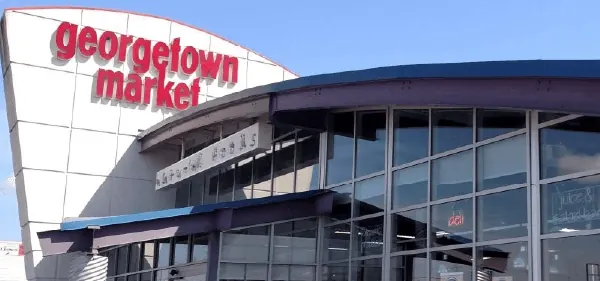
    Georgetown Market storefront in Indianapolis

    Andrew Montieth

    Georgetown Market · Jeff was its marketing director, 2023 to 2025

  • I started my business with no clue how to scale it, but I met Jeff. He walked me through my current problems and gave me a step by step guide on each problem and what to prioritize in order. It’s been 2 years; I couldn’t imagine going anywhere else.

    Black and white portrait of a woman

    Vanessa Williams

    Bujeesummer

  • I love it. I really do. I love that you put where you can find my skincare at (GTM), and I love the picture of the dripping aloe lol that’s a nice touch. Love the before and afters and the new tags, like 'our collection,' and the homepage. I love the way it scrolls better. Thank you so much, Jeff. I couldn't have done it without Trojan Digital Marketing.

    Redefined Body skincare brand photo

    Alexa Mahaber

    Redefined Body skincare

  • Oh my gosh! This is perfect! Thank you! You can always count on Trojan Digital Marketing!

    Sho.Lux Lifestyle Centre artwork of a heart inside a ring of trees

    J. Holland

    Sho.Lux Lifestyle Centre

  • Jeff was the best social media manager and campaign manager strategist I ever had, he always took initiative to go above and beyond.

    L. LaBeach at Izzy's Empanadas

    L. LaBeach

    Izzy's Empanadas · Jeff ran its marketing, 2018 to 2021

Indianapolis SEO and websites from Mass Ave to Park 100

The Mass Ave arts district is built around 0.86 miles of Massachusetts Avenue, from New York Street to Bellefontaine Street. A shop page there should name its block. A Park 100 buyer needs capabilities and a spec form instead.

Mass Ave and Fountain Square

Can someone plan a visit?

Page priorityFor a shop, venue or restaurant, make current offerings, visit details and a direct booking or purchase route easy to find. Give dated events their own expiry plan.

Evidence to publishCurrent hours, entrance photos, accurate menus or inventory details, and a named person who updates changes.

Castleton and Keystone Crossing

Can someone compare the appointment?

Page priorityFor retail or office services, explain the service, who it suits, what happens at the appointment and how to request it. Separate consumer appointments from business inquiries.

Evidence to publishA clear service scope, appointment instructions and examples relevant to that service.

Park 100

Can a business buyer assess fit?

Page priorityFor an industrial supplier or contractor, organize pages by capability and project type. Let a buyer submit a scope, site requirements and timing before a sales call.

Evidence to publishActual capabilities, project constraints, relevant credentials and an inquiry form that accepts useful specifications.

The first useful move

We sort your recent inquiries by service and part of town. The pairing with the best job proof gets fixed first, and we’d hold off on new location pages until then.

Discuss a plan for Indianapolis

What to measure

We count appointment requests and commercial quote requests separately. The work is priced after the free strategy call, where Jeff Clerisier sets the scope with you.

Find the questions customers actually ask

Use your own reviews and feedback to choose page language before writing another Indianapolis headline.

Local context behind this plan

Sources support the place details. These recommendations establish neither search demand nor promised results.

Marketing plans for your area

Your questions, answered.

What neighborhoods and areas of Indianapolis do you serve?

We are based in Indianapolis and take on businesses throughout Marion County and the surrounding metro. This includes Downtown Indianapolis, Broad Ripple, Fountain Square, Irvington, Lawrence, Speedway, Beech Grove, and every zip code in between. We also take on businesses in the suburban cities that share the Indianapolis metro area, including Carmel, Fishers, Westfield, Noblesville, Avon, Plainfield, Brownsburg, and Greenwood. If your customers are in the Indianapolis area, we plan your pages and profiles around the towns they search from.

Why don't some Marion County addresses say Indianapolis?

Four Marion County municipalities, including Lawrence, Southport and Speedway, kept their own governments under Unigov in 1970.

How competitive is digital marketing in Indianapolis compared to other Midwest cities?

Competition varies by service, location, and query. Compare the actual search results, business listings, and customer intent for your market. A city size comparison alone cannot establish ranking difficulty, and an AI search opportunity does not have a universal closing window.

What types of Indianapolis businesses do you typically work with?

We work with a wide range of Indianapolis businesses including contractors and home service companies, barbershops, HVAC companies, landscapers, and restoration contractors across the Indianapolis metro. We also work with local retail businesses, food and beverage brands, healthcare and medical practices, professional service firms like attorneys and accountants, nonprofits, and startups building their digital presence from the ground up. If you serve Indianapolis area customers and need more of them to find you online, we work with businesses at every stage and in every industry.

How long does it take for an Indianapolis business to start ranking on Google?

An Indianapolis SEO plan depends on the starting website, competition, implementation, and business cycle. Scope local SEO, Google Business Profile, content, and measurement around your priorities. Review completed work and actual search observations at suitable checkpoints.

Do I need a local Indianapolis agency or can I work with a national firm?

A national agency can execute tactics but they typically do not understand the Indianapolis market the way a local agency does. They do not know that Carmel and Fishers have different customer demographics than Speedway or Beech Grove. They do not know which local publications matter for backlinks in Indiana. They do not know the seasonal patterns that affect Indianapolis home service businesses, the competitive dynamics on the north side versus the south side, or the local events and community context that make marketing feel native to Indianapolis rather than imported. Trojan Digital Marketing is built in Indianapolis and our strategy reflects that at every level.

Is Indianapolis a good market for Google Ads and paid advertising?

Suitability depends on your offer, competition, landing page and ability to handle inquiries. Review current account or keyword planning data for the services and geography you actually want to reach. We can help compare Google and Meta campaign options, set an explicit budget and define qualification and measurement before launch. Any acquisition scenario is based on stated assumptions, not an assured lead volume.

What makes Indianapolis businesses show up in AI search tools like ChatGPT and Google AI Overviews?

AI tools like ChatGPT, Claude, Google Gemini, and Perplexity draw recommendations from businesses that have strong, consistent, corroborated presences across the web. For an Indianapolis business this means having accurate and consistent business information on Google, Yelp, and local directories, earning mentions in Indianapolis area publications and local blogs, accumulating genuine Google reviews with location specific language, and publishing expert level content about your industry that is specific to Indianapolis and the surrounding area. A business that appears credible and well documented across multiple platforms is far more likely to be recommended when someone asks an AI tool for the best roofing company or marketing agency in Indianapolis.

Can you help my Indianapolis business get more Google reviews?

Yes. We help Indianapolis businesses set up a review request process that asks every customer after the job. This includes setting up a direct review link that makes it one click for your customer, building follow up workflows that automatically prompt each customer to leave a review, and coaching your team on how and when to ask. We also help you respond to reviews professionally, which Google looks at as an active engagement signal. What we do not do is manufacture fake reviews or use tactics that violate Google's policies. Every review we help you earn comes from a real customer.

How is Trojan Digital Marketing different from other Indianapolis digital marketing agencies?

Our project review connects service content, technical access, business information, creative work, and inquiry handling. We discuss the scope, reporting, responsibilities, and contract terms before work begins. Use the contact page to share your current website and priorities.

Why should I choose a local Indianapolis agency over a national firm?

A national firm does not know your market. They do not know which Indianapolis neighborhoods drive the most searches for your service, which local competitors are winning and why, or how to position your brand in a city they have never operated in. We do.

What does it cost, and what happens next?

The Marketing Startup Kit is $7,997, or three monthly payments of $2,799. Other work is priced after the free strategy call. On it we review your website, Google profile and recent inquiries, then agree on the first job.

What should a Mass Ave shop say about parking?

On February 1, 2025, ParkIndy raised Mass Ave and downtown meters to two dollars an hour. They then ran Monday through Saturday, 7 am to 11 pm, and were free on Sundays. We'd confirm current rates, then put parking details on your visit page and Google profile.

Compare the change each proposal would make

An agency proposal should explain the business problem it addresses. Start your comparison with the customer action you need and the work proposed to support it.

Hypothetical example Two hypothetical proposals for an Indianapolis, Indiana specialty shop

Before

  • The owner wants more suitable product inquiries before customers visit. One proposal offers frequent social posts. Another offers a new website. Both describe their service well, but neither explains the questions that cause unsuitable inquiries today.
  • The owner compares the package sizes because those are the only clear differences. More posts can seem easier to judge than a clearer product page. Does the page say what someone can buy? That comparison leaves the first problem unresolved.

After

  • We'd ask the owner for a few product questions with names removed. Include questions about products carried by the shop and those it doesn't sell. Staff explain where the misunderstandings begin. The agency can then name which details or contact route its proposed work would change.
  • Our proposal comparison would ask whether the new page or post directs someone to current product details. It would also ask who maintains those details when stock changes. The buyer can now judge the work against the shop's actual question.

Pick a primary problem for the comparison. Perhaps people request a service you don't offer, or they can't find the right booking route. We can discuss the connected services after that problem is understood. Otherwise each vendor may price a different view of growth. A clear starting question helps you spot a proposal that adds work without addressing the reason you sought help.

Give competing proposals the same constraints where possible. State who can approve copy, what product details are on hand and how much staff time the project can use. We need those boundaries too. A quote may assume weekly filming and daily stock updates. That won't fit an owner who can only provide material now and then.

Choose the Indianapolis boundary your figures mean

City, county and metro figures describe different areas. Match geography to how your business serves people before using a local statistic to justify a marketing budget.

Geography questions for different hypothetical central Indiana businesses
Business situationArea to defineWhat we would ask
A shop customers visitThe store's real visitor area may cross city boundaries. A regional population total doesn't say how far someone will travel for the specific offer.Which confirmed customer records describe recent visits? We would check what geography the records on hand support before treating a broad metro figure as the shop's audience.
A delivery operationAccepted addresses and delivery conditions define its working area. The edge of a statistical region isn't automatically a feasible delivery boundary.Ask which addresses your staff accept and how they handle the edge of that area. Our marketing discussion should preserve those actual delivery rules.
An appointment providerThe customer's travel and the appointment location both matter. Someone may work in Indianapolis while living elsewhere. Check the actual request before drawing a conclusion from that fact.We'd ask which location the person will attend and whether the service requires a repeat visit. Avoid assuming a county of residence explains the whole journey.
A business supplierThe buyer's office and the site needing the service can be different places. Both may affect the work the company can accept.Our inquiry definition should say whether geography refers to the buyer, the delivery site or the project site. Otherwise a report can count unsuitable work as local demand.

Ask where the proposed geographic assumption comes from. An agency may have a sound idea without enough data to prove it yet. We should label that idea as a question to investigate. Be cautious when a citywide statistic is used to support a precise claim about one neighborhood's buyers. That leap needs details about the actual business and its customers.

Inspect a project without borrowing its outcomes

A relevant portfolio item shows the work that was done. Ask what it establishes before using its looks or reported results to predict your own project.

English and Spanish category text on Georgetown Market's beverage sign
This Indianapolis signage project offers a specific design choice to inspect: category wording arranged in English and Spanish. Its image demonstrates the message and layout, without establishing sales or inquiry results. View the project
  • Name the kind of work shown. A sign design demonstrates choices about wording and layout; it doesn't establish website inquiry volume. We can point to the actual project and discuss the decisions visible in it. Keep the conclusion tied to what the item really shows.
  • Ask which parts the agency handled. A website can include photography, copy and integrations produced by different people. Our explanation should name the contribution being presented. A buyer deserves to know whether the proposed service matches the work credited in the example.
  • Inspect the message at normal reading size. The Georgetown Market category sign provides a real Indianapolis retail example with English and Spanish wording. We can examine what each line tells a shopper and how the design keeps the category understandable. That discussion concerns the design itself.
  • Distinguish a finished picture from a tested behavior. A contact form in a screenshot may look clear while leaving delivery or keyboard use untested. We'd encourage you to try the relevant interaction when that is part of the proposed work. Ask what was tested and what still needs checking.
  • Check whether a claimed result has a defined period and source. A percentage without its starting value can be hard to interpret. We should state which observations are documented and which conclusions remain uncertain. Another business's experience can't set a result or date for your own engagement.

Choose examples that relate to the decision in front of you. A local retailer may care how product categories are explained. A community group may care how visitors locate current service details. We can discuss the relevant design choices in each case without implying their audiences behave alike. A familiar Indianapolis name can give context, but the actual fit still depends on the project.

Jeff's work at Georgetown Market was a staff role from 2023 to 2025. Keep that employment context with the sign example, since Jeff made those signs as staff. We can explain the published signage project on its own terms. Neither the sign nor that role should be paired with anonymous growth figures.

Give local details an owner after launch

Local details need care after a site launches. Decide who updates them when an event changes, a service stops or visitors need a different entrance.

Yahweh House of Prayer homepage welcome and community button
An existing Indianapolis church homepage supplies a real layout to inspect. The project introduces community information; the organization must supply current facts whenever its public details change. View the project
  1. Name what can expire Mark event dates, temporary offers and arrival instructions separately from the business description. We ask which details change often enough to need a check date. A launch approval won't keep a temporary fact accurate after the situation changes.
  2. Name the source of the detail A district event listing and your own opening hours have different owners. Keep the source attached to the update so staff can verify it. Our copy discussion should avoid implying your shop participates in a neighborhood event unless you have confirmed that participation.
  3. Choose who can approve an update The person who knows the working fact may differ from the person who edits the website. Define how they reach each other when the change is urgent. We'd ask how this works during holidays or when the normal approver is away.
  4. Find the other places the fact appears A changed meeting time may appear on a page, a profile and an email. Staff need to know which published items still point people to the old details. We can discuss that publishing map before adding more channels that require upkeep.
  5. Withdraw expired material deliberately Decide whether an old event page should retain a clear historical date or stop being promoted. Our update checks should include links still sending people to it. An archived page can be valid history while being unsuitable as today's visit details.

A church website makes this maintenance question concrete. Worship times and contact details need an owner who knows when they change. Our Yahweh House of Prayer project gives an existing Indianapolis example to inspect. The public screenshot shows the layout. Current details supplied by the organization should govern changes to that page. Ask who will supply the equivalent facts in your project and whether the agreed editing process can handle an urgent correction.

Read the scope as a purchase agreement

A useful quote distinguishes setup work from recurring work and outside expenses. Compare those commitments before comparing totals from packages with different contents.

What is the agency really producing?
Look for named pages, assets or account work that correspond to the problem discussed. A service label alone can cover very different amounts of work. We ask which existing material can be used and what must be created. That difference affects the effort required from your staff as well as the agency.
Which charges sit outside the agency fee?
Ask about advertising spend, paid software and any separately priced production. Clarify who approves those expenses and which account pays them. Our comparison should use the complete stated cost for the selected work. Two agency fees may look close while their included services and expected outside spending differ widely.
How do revisions and new requests work?
Confirm the agreed approval rounds and how a request outside the first work is priced. A changed service may need several edits. An extra location page can be a whole new task. We can discuss that distinction before work starts. The buyer should know how to approve an addition and whether it affects the work already agreed.
How should a published package price be used?
Use it for the package it names. Our Marketing Startup Kit costs 7,997 dollars. Alternative payment terms: three monthly payments of 2,799. That stated offer doesn't price every marketing engagement. We'd first check whether its contents fit your launch and what additional work, if any, you are considering.

Keep approvals and account ownership in the same buying conversation. Confirm whose account holds each domain and service, who may administer it and how authorized access changes. We shouldn't wait until a campaign is active to discover that an account belongs to someone who has left. The exact access and handoff terms should be understood before you rely on a tool for customer communication.

Ask what each marketing count really counts

A report needs clear event definitions. Visits, received questions and accepted opportunities answer different questions about the Indianapolis work you are trying to sell.

Definitions to agree before comparing a hypothetical campaign period
Reported itemWhat to clarifyWhy the distinction matters
Website visitSpecify the tool and time period. Ask how the report treats repeated visits and whether the selected pages match the campaign being discussed.We can observe a visit without knowing whether that person wanted the service. A change in traffic alone doesn't establish a change in suitable customer demand.
Received questionDefine which form or phone events are included. State how repeated attempts and unrelated messages are handled by the chosen reporting process.Our count should explain whether it represents messages or distinct people. Otherwise an active conversation can appear to be several new potential customers.
Accepted opportunityThe business needs an agreed test for suitability. That could include the requested service and an address the team can really serve.Ask who confirms the classification. We can't infer that every request qualifies merely because it came through an Indianapolis campaign page.
Completed saleState which record confirms the sale and how its date relates to the earlier inquiry. Some requests remain undecided after the reporting period ends.Our interpretation should allow for that delay. Recent inquiries shouldn't all be treated as lost while the business is still discussing the work.

A local retail visit and a later business purchase may leave very different records. We can discuss what your current systems really capture before proposing a precise attribution claim. Some outcomes remain unknown. Show that gap plainly. Giving every sale to the campaign active that month would need proof. Ask which conclusions are observed and which depend on an assumption.

Keep the business feedback loop manageable. An employee can often tell you why a request was unsuitable without maintaining an elaborate score sheet. We ask which short classifications will be used consistently and what can be checked from the record. The agency's interpretation should preserve that meaning when comparing periods or recommending a different message.

Match the engagement to your staff capacity

The agency can only use details the business can approve and maintain. Discuss staff time on hand alongside the proposed channels and production work.

  • Name one person who settles factual questions. If several employees disagree on what the business offers, the agency needs a way to resolve that issue. We ask who can confirm an answer and what source they use. More drafted copy won't fix a service description nobody has approved.
  • Name the material approved for publication. Product photos and staff images need usable files and a clear approval. Our discussion should include where that material came from and whether it still describes the business. An old location photo can give the wrong impression. A sharp image still needs to show the current place.
  • Choose a production rhythm the team can support. A plan that relies on frequent demonstrations needs someone who can make them. We'd ask how often that employee can attend and what must be prepared first. That constraint belongs in the scope instead of appearing as a surprise after agreement.
  • Decide how staff observations reach the agency. A repeated customer misunderstanding can guide the next page correction. We ask for an example with names removed and the working context. Avoid copying whole private conversations into a content brief when a short description can explain the problem.
  • Allow for ordinary absences and busy periods. Name who can approve a critical correction if the normal contact is away. Our work should fit the business calendar you really operate. Marketing tasks become hard to sustain when every change depends on one employee being constantly available.

Ask the agency who handles its part of the relationship too. Jeff was freelancing on web projects in 2016, before our March 2018 start. Those dates give background you can check; they don't describe staffing for a specific job. We should explain the people and duties involved in the proposed work so you know where a question or approval belongs.

Make the first checkpoint worth attending

A checkpoint should answer a specific question about completed work or observed behavior. The right question depends on what was changed and what can be measured yet.

  1. Check the agreed work first If the scope names a corrected product page, inspect the published page and its inquiry route. Our discussion should separate completion from effectiveness. A page can be complete before enough customer activity exists to judge how well its explanation works.
  2. Inspect the input the work depended on If a page still uses an old service description, find where the approval or source failed. We should establish that cause before commissioning another campaign. A business fact problem can travel across several channels that all used the same material.
  3. Look at the business responses on hand Ask whether staff have seen a change in the questions reaching them. Use actual examples when they exist and label gaps when they don't. We'd compare the response with the first problem while avoiding conclusions that a small sample can't support.
  4. Choose the next action from that finding A confusing explanation may need a wording change. A broken contact route may need a technical fix. Our next suggestion should name the issue it addresses. Ask where that issue was observed. Adding another service before understanding the finding can make the first problem harder to trace.

No general timeline can settle how quickly your particular market will respond. Agree useful check dates around the proposed work, the data on hand and the decisions you need to make. We can discuss what would justify waiting for more findings and what would require an immediate correction. The distinction helps keep a slow sales cycle from hiding a broken inquiry path.

Keep a small record of significant business changes beside the marketing figures. A price change, closed appointment slot or discontinued product affects how inquiries should be read. We ask for that context so an apparent campaign shift can be investigated sensibly. Without it, a report may describe the marketing channel accurately while misunderstanding the business event.

Bring the unanswered buying question to the call

A useful agency conversation resolves the question holding up your choice. Bring your website and one concrete business problem, then ask about the proposed work behind it.

What if I cannot tell which service I need?
Describe what happens today when a suitable customer tries to find or contact you. We can work from that account without requiring you to choose a technical label first. Bring one recent example with names removed and the service it concerns. The recommendation should explain why a particular piece of work follows from that situation.
What if the business problem comes before marketing?
A business may need to settle its offer or operating process before more promotion is useful. We can name the unanswered marketing inputs in the discussion. Local business support may also be relevant. Avoid treating an agency package as the answer to a question about an offer the owner hasn't yet defined.
How should I decide whether the proposal fits?
Compare the proposed change with the question you brought. Check its included work, staff requirements and cost terms. We should be able to explain the connection without relying on a ranking claim. If an assumption remains unresolved, name it before you commit to work that depends on it.

You don't need to share private customer files to explain the issue. Remove private details from any example you bring, and describe how staff handle it now. We can discuss the scope from those facts. Our first strategy conversation is free. During business hours, our reply target is five minutes, so the initial step can begin with a clear question rather than a finished marketing brief.

Sources

Read more on this

Marketing help for Indianapolis businesses

Based in Indianapolis, we serve central Indiana and clients across the United States.

Request a free strategy call

Indianapolis, Indiana

Service area map

Explore Indianapolis on OpenStreetMapArea reference; this is not an office pin. Map © OpenStreetMap contributors.

A full plan puts each channel where it fits the place. These lines take one sourced fact per area and turn it into a choice about your marketing mix.

Districts and what to plan for

  • Downtown Indianapolis: Downtown covers six square miles yet brings in 22% of Marion County's yearly tax revenue, the Downtown Indy Alliance reported in 2025. With that much business packed in, plan for walk-by customers and searchers, and track which ones buy. FOX59
  • Mass Ave: Mass Ave Next, a year-long vision plan for the district, includes streetscape and storefront recommendations. If you're planning new signs or a fresh look, read it first so your storefront and your online brand change together. Mass Ave Cultural Arts District
  • Fountain Square: Streetcars on Virginia Avenue once ended their run in Fountain Square, now one of the city's designated cultural districts. A brand built on that local history can carry it across your site, signs and posts. Encyclopedia of Indianapolis
  • Castleton: Castleton Square has been Indiana's largest mall since it opened in 1972, with more than 130 inline stores just outside I-465. Businesses nearby can borrow its pull with map listings, search terms that name the mall and in-store offers. Wikipedia
  • Keystone Crossing: Shops and restaurants run nearly unbroken along 86th Street from the Fashion Mall area to the Castleton Square area, almost 3 miles east. Treat that corridor as one market, with one set of local pages, ads and listings covering both ends. Wikipedia
  • Park 100: Under Duke's ownership, Park 100 went from a struggling complex to one of the biggest industrial parks in the country. If you sell to the companies there, plan a business buyer's path from a clear website to search ads and follow-up email. Encyclopedia of Indianapolis

Suburbs and where to start

  • Fishers: OneZone, the chamber formed when the Carmel and Fishers chambers merged in 2015, was named Indiana's Chamber of the Year in June 2026. Add chamber events and referrals to your Fishers plan next to your website and ads. Current in Fishers
  • Carmel: The City of Carmel's history page says the city has attracted 130 corporate headquarters. If you sell to both companies and households, give each its own landing pages and budget so neither crowds out the other. City of Carmel
  • Westfield: In 2022 Westfield had 911 businesses with physical locations, and over 13,000 employees worked inside the city, the chamber's plan says. Plan to reach those workers at lunch and after work, along with residents at home. Westfield Chamber of Commerce
  • Zionsville: Census QuickFacts shows 84.2% of Zionsville homes are owner-occupied. That's a homeowner market, so home service firms can weight their plan toward search, reviews and referrals. U.S. Census Bureau
  • Avon: Small firms with 25 employees or fewer make up 90 percent of the Greater Avon Chamber's more than 270 members. A plan for a business that size should start with a few channels you can keep up, like your map listing and reviews. Greater Avon Chamber of Commerce
  • Noblesville: Noblesville's look back at 2025 names Innovation Mile, its 600 acre district for innovation, tech, sports and entertainment. Watch its openings, and plan marketing that reaches the workers and visitors it brings. City of Noblesville
  • Greenwood: Greenwood is home to about 40% of Johnson County, with 69,349 of the county's 174,262 residents in July 2025 figures. A Johnson County plan can start in Greenwood, then add Franklin and the smaller towns as budget allows. Daily Journal
  • Plainfield: Owners live in 62.3 percent of the occupied homes in Plainfield, and renters in the other 37.7 percent, Census figures show. Write separate offers for owners and renters, since the two groups often need different services. U.S. Census Bureau
  • Brownsburg: During 2022 roundabout work at Green Street and Airport Road, a South Green Street shop's business fell 55 to 60 percent, the owners told WTHR. Keep a road work plan ready, with posts, ads and email that explain detours. WTHR