
You pay for the network.
$19,900 covers setup and the first year of a 200 site Tier 1 network. Annual renewal is $13,000 after that. Every inquiry the sites produce is included, and the domains are registered to your business.
Garrison microsite networks by trojan
Built to attract high intent SEO leads from people searching for your services in the suburbs you serve. Garrison builds 100 to 1,000 local websites for your business on domains registered to you. Every call and form they produce is yours to handle, included in the price this year and every year after.
Quick answer: An owned Garrison network starts with a one time $3,900 setup fee plus $80 per site in year one, then $65 per site a year for domain renewal, maintenance and core page refreshes. At 200 sites, Tier 1 costs $19,900 in year one, or $99.50 per site including setup. Every lead the network produces is included, with no per lead charge.
Your domains are registered to your business.
Every inquiry the sites generate is included in your network price.
Your team answers the calls and reads each form directly. We don't resell those inquiries to competing contractors. A homeowner can still contact another company independently.
Businesses we’ve worked with



Your network, with the full price in view
Choose 100 to 1,000 sites and the content plan that fits your business. Year one is the setup fee plus the number of sites multiplied by the first year site price. From year two, multiply your site count by the renewal price.
Prices as of September 2026. All amounts are in USD. Every tier includes domain renewal, maintenance and core page refreshes. Fresh blog allowances differ by tier.
Tier 1 starts at $11,900 for 100 sites in year one, including setup. Annual renewal is $6,500. Every inquiry generated by your network is included.
Tell Jeff your trade, state and the towns you serve. We'll confirm the right tier, city list and complete price before you commit.
| Plan | One time setup | Year one price per site | Annual renewal per site | Fresh blogs per site each year |
|---|---|---|---|---|
| Tier 1 | $3,900 | $80 | $65 | Core pages refreshed; no recurring blog allowance |
| Tier 2 | $5,000 | $100 | $75 | 12 |
| Tier 3 | $5,000 | $110 | $85 | 24 |
| Tier 4 | $6,000 | $120 | $95 | 48 |
| Network size | Year one total | Year one per site, including setup | Annual renewal total | Annual renewal per site |
|---|---|---|---|---|
| 100 websites | $11,900 | $119 | $6,500 | $65 |
| 200 websites | $19,900 | $99.50 | $13,000 | $65 |
| 500 websites | $43,900 | $87.80 | $32,500 | $65 |
Compare what the payment buys
$19,900 covers setup and the first year of a 200 site Tier 1 network. Annual renewal is $13,000 after that. Every inquiry the sites produce is included, and the domains are registered to your business.
The published roofing call range in our source guide is $85 to $550, checked September 2026. Compare your actual lead invoices with the full network price.
The website fee covers the network over a year; the call fee covers an individual inquiry. Compare outcomes by dividing your total spend by the qualified leads and booked jobs you actually receive.
See the sourced lead cost guide and example calculationsKeep your local information useful
Renewal covers domain renewals, technical maintenance and updates to core pages, local information, pricing guidance and FAQs within your agreed scope. Tier 1 focuses on keeping that existing information current.
Tiers 2, 3 and 4 add 12, 24, 48 fresh blogs per site each year, respectively. A 200 site Tier 3 network includes 4,800 new articles across the network each year.
Each article needs a useful customer question and accurate service information. We focus updates on useful customer questions. We review search and inquiry data to decide where content needs improvement; search engines decide what they index, rank or cite.
Your domains stay yours and the sites stay live on them. When managed work ends, you renew the domains at the registrar yourself. We document hosting and handoff details before you sign. The optional $8,000 full network migration and software licensing package has its own scope.
Our network observations
The first roofing and restoration sites launched in summer 2026. Their records below run through August 31.
The window record covers its first five weeks live. We reviewed that separate observation on October 1, 2026.
200 residential roofing sites, from June 29 through August 31, 2026.
Our original 200 Indiana residential roofing microsites brought in calls and form fills, from replacements and leak repairs to a same day tarp. An additional 88 sites were added later and are excluded from this inquiry cohort.
203 metal roofing sites, from June 29 through August 31, 2026.
Inquiries covered two full metal replacements, a metal shingle quote and a repair.
209 commercial roofing sites, from June 29 through August 31, 2026.
Inquiries covered a strip center with leaks, a rubber roof leak, a tarp over a commercial building and a commercial inspection. A TPO job followed on September 2, outside the August 31 reporting window.
204 water restoration sites, July and August 2026.
Inquiries included a flooded church basement, a burst sprinkler line and seven inches of water in a basement; 11 came during the August floods.
100 window sites, their first five weeks live.
The window network received five inquiries from its first 100 websites over their opening five weeks. We keep that short observation separate from the roofing and restoration reporting periods.
We watch every town's search data and rebuild or replace the towns that stay quiet.
On the owned network plan, every lead generated by your network is included in the price. You pay no per lead charge.
Source: Our Indiana roofing and restoration records through August 31, 2026. Window observation supplied October 1, 2026, covering the first five weeks live.
Compare your cost per lead
Use your own your trade numbers to compare costs at the same volume. The starting values are illustrative.
Monthly leads × 12 gives your annual volume. Each cost per lead divides the annual cost by that volume. This comparison illustrates costs, not a promised lead count.
Link to these inputsIllustration at your volume: purchased leads $125 per lead, monthly membership $40 per lead, pay per lead membership $126 per lead in year one, owned network $99 per lead in year one and $54 after.
120 purchased leads at $125 a lead. Shared leads can go to multiple contractors. Check your provider’s terms.
$11,900 in year one, $6,500 a year after, and nothing per lead.
At your volume, that’s $54 per lead after year one. Every inquiry the sites generate goes directly to your team.
$399 a month, $4,788 a year, with every qualified lead included. The price stays the same however many leads the network produces.
The first 90 days are a proving window billed monthly. After that the membership continues month to month and you can stop with 30 days notice.
Larger networks lower your cost per site. Compare membership sizes and prices.
$800 the first year with 5 qualified leads included, then $125 a lead, every one exclusive.
Annual renewal starts at $600. Your included lead allowance resets each membership year.
Larger networks lower the additional lead rate. Compare membership sizes and prices.
Roofing and restoration count calls and form fills; missed calls aren't included. Those records cover our Indiana network. Window counts come from a separate owner-reported observation. Market, competition and city list all move the math, and nobody guarantees rankings.
From local search to your team
We’ll agree on your towns and services, then build useful sites with your branding. The domains are registered to your business.
A homeowner calls or submits a form. The inquiry goes directly to your business, with one contractor per agreed market.
Your team reviews the request and handles the next step. Every inquiry the network generates is included, without a fee for each lead.
A website with your name on it
They’ll see your company and the work you do. Each site explains the services you offer in the places you serve, with a clear way to reach your team.
This is a fictional design example. Demo Town and the company shown don’t represent a customer.
Tell us about your project. Get a clear next step from a local team.
Request an estimateOpen the details that matter to your decision.
Your business is the domain registrant, and the agreement lists the domains, service area, account access, and hosting and handoff arrangements. Full network migration and software licensing have a separate scope and price.
If you end managed service, your domains stay yours and the sites stay live on them. The fresh articles, pricing guide and FAQ updates, and domain renewals we pay for end; you’ll renew the domains at the registrar yourself.
Choose the tier whose fresh article allowance fits the customer questions you want to answer. We’ll agree which topics belong on core service pages and which need supporting articles.
Share accurate service details and material you have permission to publish, using towns your team can serve. Review search activity and inquiries with us to choose what to improve next.
Compare the network’s year one and annual renewal prices, plus any separately agreed marketing costs, with qualified inquiries and booked jobs from the same period. Every inquiry from the network is included, so you won’t pay an additional charge per lead.
Track search visibility, inquiries and booked work as separate steps so you can see where customers drop off. If a period produces no qualified inquiries, record that result and review the service area, content and response process before expanding.
Built around your work
We’ll start with the work you want more of. Then we’ll plan the sites around your service area.
We also build window treatment websites and radon websites. We confirm your city list and routing before you buy.
These trades need a content pack and a scope and cost discussion before work starts.
Check your real service area
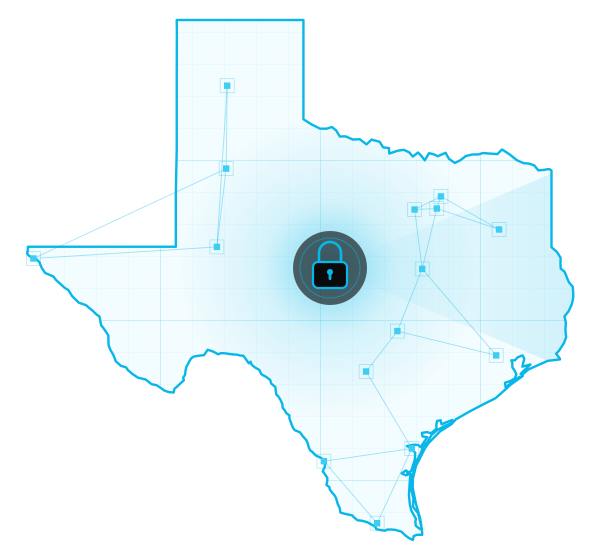
The map is a planning tool. We confirm available towns and your allocation before launch.
YOUR NEXT MARKET
Texas
ROOFING MICROSITES
One state. Separate metro decisions.
This trade is built on request. We confirm scope and timing before you purchase.
Choose real service areas and available capacity.
Inspection preparation, roof system comparisons, project examples, and a clear estimate request.
Branded pages, direct delivery, and an agreed lead definition.
Three ways to build your inquiry pipeline
Garrison exclusivity covers allocation and distribution within Trojan's network. A homeowner can independently contact other companies. The owned plan includes every generated inquiry; membership has its own included lead allowance and a shortfall renewal credit capped at the renewal price, with no cash value.
Know what you're buying
Your domains are registered in your business name and stay yours. You can move them to another registrar without buying the full platform migration. A receiving registrar may charge its own transfer or renewal fees.
The one time setup covers market research, the agreed city list, building the sites and launching the network. Networks range from 100 to 1,000 sites. We discuss the scope and cost after reviewing the trade, content and domain requirements.
Your domains stay yours and the sites stay live on them. What ends is the managed work: the fresh articles, the pricing guide and FAQ updates, and Trojan paying your domain renewals. From then on you renew the domains at the registrar yourself, and we document the hosting and handoff details before you sign.
A $8,000 transfer and licensing fee covers the migration of the live network and the software used to generate and update it. This is separate from moving your domains to another registrar. The platform, migration scope and software license are documented in the agreement before you choose this option.
Every inquiry the owned network produces is included in your price. Your team answers the calls and reads the submitted forms directly. Memberships are priced separately: a flat monthly price with every qualified lead included, or a lower yearly price with a charge for each qualified lead after the included allowance.
Your inquiry volume depends on your market and the towns you cover. Our Indiana network received inquiries in its first weeks, and the proof figures show each division's actual reporting period. We'll review your search and inquiry records as the network develops.
Roofing, water restoration, siding, window replacement, window treatments and radon have current offers. HVAC, remodeling, foundation repair, tree removal, concrete driveways and inground pools are built on request, with scope and cost agreed first. Roofing, water restoration and window treatment networks are available outside Indiana.
A membership starts at $399 a month for 50 sites with every qualified lead included, or $800 for year one on the pay per lead plan, with 5 qualified leads included each year and $125 for each additional qualified roofing lead or $175 for each additional qualified water restoration lead. Larger membership networks lower the additional lead rate; compare the full ladder on the pricing page. Trojan owns that network. Buy an owned network when you want the domains registered to your business and every inquiry included. Tier 1 starts at $3,900 setup plus $80 per site, renewing at $65 per site.
Tell Jeff where your team works and the jobs you want. Your quote will show the complete price and agreed scope.
Use the local guides to compare network ownership with membership before requesting a territory review.
Roofing and water restoration networks serve eligible markets outside Indiana. A guide does not confirm territory availability.
Owning a domain answers one part of the purchase. Check who can change its settings, publish pages and keep inquiries flowing before choosing a network.
| Layer | Question to settle | Why it matters |
|---|---|---|
| Domain registration | Can your business recover the registrar account and see its renewal details? | We need a dependable business contact behind the domain record, including when the person managing it changes. |
| Live hosting | What keeps the published sites available when managed work ends? | Our existing offer keeps the sites live. Confirm how hosting supports that promise before signing. |
| Publishing software | Which license and migration terms apply if you want to operate the generating software yourself? | The optional full migration includes software licensing. Moving a domain registration is a separate action with different work involved. |
| Customer contact | Who can change the receiving phone number and form destination? | A live page still needs a reachable team. We should identify the person who approves a routing change. |
Ask these questions using the business's legal name and the people who will run the network. A salesperson's access and an owner's recovery access serve different jobs. Our conversation should identify where each lives. The aim is to make an ordinary staff change manageable without confusing domain control with access to every part of the platform.
A town belongs in the network when your business can explain its service there and handle the resulting request. A larger map creates more responsibility.
Before
After
The person answering inquiries and the person controlling accounts may be different. Name both, then check how an authorized backup takes over each task.
Keep the account list somewhere your approved team can find it. Store passwords through your normal secure process. A practical list names the provider and responsible person without becoming a sheet full of shared passwords. Our goal is to keep work going when people change, with access limited to the tasks each person needs.
An owned network needs accurate material long after launch. Decide who checks project images and service claims when staff, products or operating rules change.

Each website should help someone understand the service and take a workable next step. Owning more domains doesn't replace that job with a site count.

Check a sample inquiry from a phone, then use keyboard controls for another attempt. Use the fields a real customer would need. Our check should include a missed call and a form with one blank required field. Can the person see how to correct it? Can staff find the request? Agree who checks the route again after changing a phone number or an email address. That keeps a small edit from breaking the next conversation.
Compare the article allowance with your ability to supply accurate information. A larger publishing allowance has value when the business can maintain what it says.
| Business situation | What to bring to the conversation |
|---|---|
| Core services stay fairly stable | Identify which existing facts need upkeep. Tier 1 has no recurring blog allowance; ask whether maintaining the core pages covers the questions you need answered. |
| Customers ask many separate questions | Bring actual questions from the office and the person who can verify answers. We can discuss which belong in articles and which should improve a service page. |
| Products or service options often change | Name the person who tells us what changed. Fresh articles and corrections to existing claims are different tasks, even when both appear in the same year's work. |
| The business wants more towns | Check staffing and service information first. Our content conversation should establish what the extra coverage requires before the site count expands. |
Keep additional marketing purchases visible in your budget. The owned offer includes every inquiry it generates without a separate lead charge. That doesn't make unrelated campaign costs part of the network price. We should discuss any extra work separately so your annual comparison uses the expenses your business actually approved.
Think through an end to managed work while you can still ask questions. Domain renewal, live hosting and full software migration need their own answers.
A clear exit arrangement can help you compare offers at the start. It also shows which tasks your staff would inherit. We can discuss that work alongside the content tier and territory. Choose an owned network when that control fits your business's needs and your team can support the ongoing work around it.
Sources