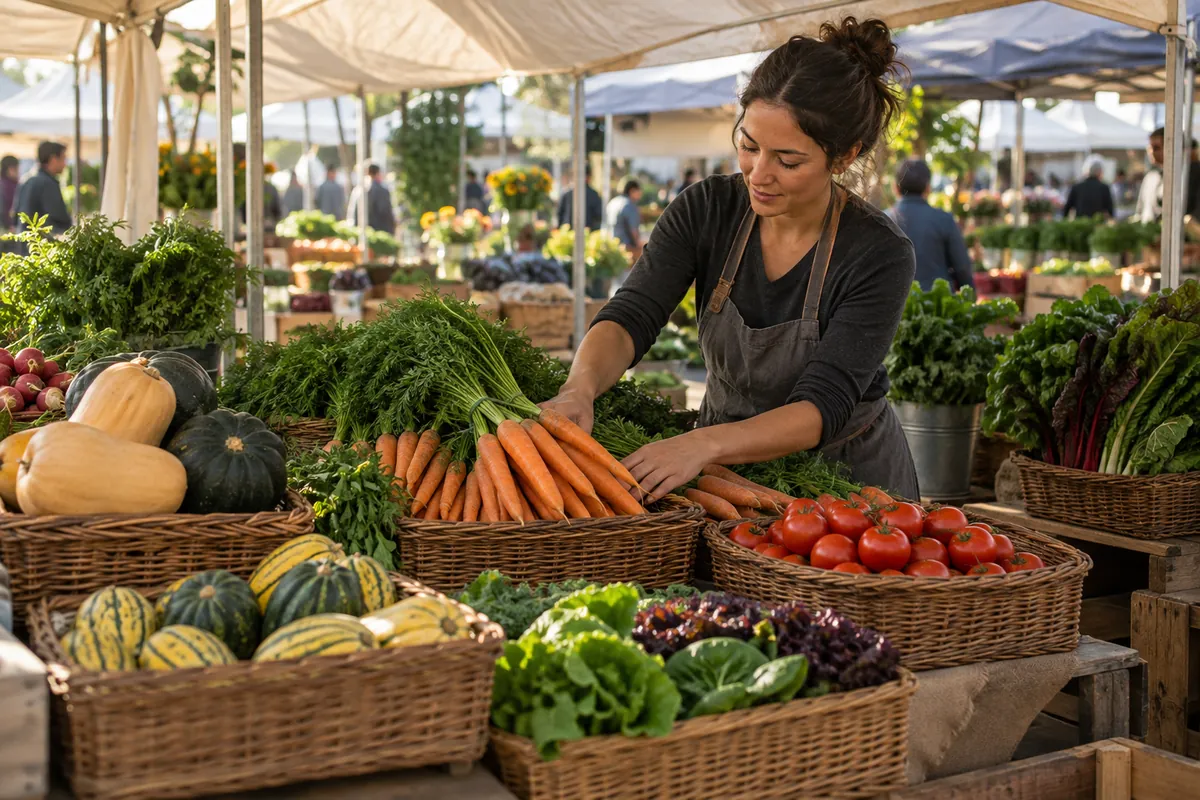
Most shoppers open your site to learn two things: whether you're open and whether the plants they want have arrived. A photo of a full bench can't answer either one, so we put the answer in words beside it, with the date someone last checked.
Here's how a spring season runs with us. Over the winter we write the season pages and set up class sign-ups, and we aim to have them live by late March with a Business Profile post. Once the benches fill, a dated arrivals post goes up each week. We watch which posts bring calls about stock and write the next one from that.
Garden center marketing questions
We keep each class or sale on one shared sheet with three columns: who owns it, whether it's still on, and when someone checks it next. When a date changes, the site, the Business Profile post and any ad change together, so shoppers don't find three different dates.
What does garden center marketing with Trojan Digital Marketing cost?
Most garden center work is priced after the free strategy call, since a single greenhouse and a store with a landscape crew need different things. For a new site, the Marketing Startup Kit is $7,997, or three monthly payments of $2,799. It bundles a custom 15 page website, twenty blog posts, a fully optimized Google Business Profile and three months of consulting.
Do we need live inventory on every page?
Not on every page. Category pages for perennials, annuals and houseplants, each with a call-to-check line and your number, answer most stock questions. A live count only works where your register already tracks every plant.
Can seasonal pages remain online after an offer ends?
Yes, when their status is clear and the remaining content is useful. Update or remove active purchase and registration language that no longer applies.
Should services have separate pages?
They can when the scope and customer decision differ from a retail visit. Build those pages only for services the center actually provides.
How should photographs be used?
Use your own photos of the real benches and greenhouse, and caption each with the month it was taken. A June shot of full hanging baskets on a March page sets a shopper up to be let down.
What does a useful audit focus on?
When we review a garden center's site, we check first whether the hours, address and phone match your Business Profile. Then we look for dates on each class and arrivals page, and test the call button on a phone.
When should a garden center start its spring marketing in central Indiana?
Earlier than feels natural. Around Indianapolis the average last freeze falls on April 15, based on 1991 to 2020 records, and plenty of gardeners plan their first trip around that date. We serve Indianapolis and the towns around it, including Westfield, Noblesville and Zionsville. For a store in any of them, we'd have your spring pages, a Business Profile post and any class sign-ups live by late March. Weekly arrival posts take over once the benches fill.
Should we post what's in stock on the website?
We'd post what arrived this week with the date on it, and skip live counts unless your register system can feed them on its own. A dated arrivals list tells a shopper what's likely on the benches Saturday without promising the last flat of a variety. A stock page that's three weeks old sends people out for plants you've already sold, so every list we publish carries its date.
Does a garden center need a nursery dealer license in Indiana, and should the site show it?
Anyone selling nursery stock in Indiana has to be licensed, and nurseries selling here get a dealer's license through the DNR's Division of Entomology and Plant Pathology. If you hold one, putting it on your About page gives shoppers and search engines a credential they can check. We'll only list credentials you can show us, and we'll keep the page current when yours renews.
What happens after we book the free call?
During business hours we aim to reply within five minutes, and the strategy call itself costs nothing. Bring your spring sales by week if you track them, or just the weekends that sold out. We'll talk through where your spring shoppers find you now and which pages or posts could have brought them in a few weeks earlier.
Is the off-season too late to start?
It's the easiest time to start. The Startup Kit's example schedule runs about twelve weeks from discovery to launch. On paper, a December start lines up with a March launch, although the real schedule is agreed after scope review. Ongoing search and Maps work can begin in any month, and winter gives us room to write pages before shoppers need them.
Is there anything we can read about Jeff before the call?
Yes. Our Google reviews are public, and Heather Doan's starts, "I had a great experience working with Jeff..." Read a few before the free call. Then bring your hardest spring question, like how a weekly arrivals post would work when the benches turn over by Sunday.
“I had a great experience working with Jeff…”
“…drove a noticeable uptick in leads within just a few weeks…”
We have more than 1,400 live websites.
Based in Indianapolis, we serve businesses across central Indiana, including Carmel, Fishers, Zionsville, Westfield, Noblesville, Greenwood, Avon and Plainfield.
We also work with clients across the United States.
A PRACTICAL MARKETING WORKSHOPMake the seasonal visit useful before the customer arrives
Open this walkthroughClose this walkthrough
A garden center shopper may want to explore current seasonal stock, ask about a specific plant or product, attend an event, or plan a larger purchase. We would make the actual assortment and store services easy to discover while keeping availability honest. An attractive plant photograph should not silently promise that the item is in stock today. Practical visit information, department context, and a staff confirmation route can make seasonal content useful without requiring a complex ecommerce system.
Worked example · hypothetical planning scenario
Consider a hypothetical garden center promoting a spring container planting event alongside seasonal plant arrivals. We would create a current season page with approved category descriptions, representative photographs, the event’s actual date and participation process, and a route to confirm specific availability. A visit planning feature could let shoppers choose plants, containers, supplies, or an offered service and see the relevant department information. Event registration would be separate from general store inquiries, with confirmation language matching the real process. After the weekend, staff can record the questions customers brought, event registrations actually completed, and requests for unavailable items. Those observations help plan the next content update without pretending a directions click proves a purchase.
| Seasonal task | Useful page information | Update trigger |
|---|---|---|
| Explore current categories | Approved seasonal selection and representative images | Assortment or season changes |
| Find a specific item | Reliable inventory or staff confirmation route | Current availability information |
| Attend an event | Date, location, terms, and actual participation action | Event or capacity change |
Create a seasonal content bench
- Photograph the actual garden center and current displays, labeling representative selection clearly when stock changes frequently.
- Collect staff approved answers to practical shopping questions and verify any plant or product guidance before publication.
- Maintain one event fact sheet so the website, signs, email, and social posts agree on dates and participation steps.
- Document which products or services customers ask about that are not part of the offer, and clarify those boundaries where confusion recurs.
Plan one season around real customer questions
Bring your current promotions, events, and the items people call about most often. Trojan Digital Marketing can create a seasonal discovery page and publishing workflow that helps shoppers plan a more useful visit.
What sets the garden center season in central Indiana?
Garden center marketing around Indianapolis, Indiana runs on the freeze calendar, the state's nursery licensing rule and how quickly the surrounding counties are adding people.
Indianapolis and Hamilton County, Indiana
Indianapolis's average last spring freeze, 32 degrees or colder, falls on April 15 in the 1991 to 2020 records.
Spring pages, class sign-ups and the first Business Profile posts should be live well before mid-April, while shoppers are still planning.
WTHR, Was that Indiana's last freeze? Here's what 30 years of data actually saysChecked September 26, 2026Anyone selling or soliciting the sale of nursery stock in Indiana must be licensed. Nurseries selling nursery stock in the state obtain a dealer's license from the DNR Division of Entomology and Plant Pathology.
A licensed garden center can show that license on its About page, which gives shoppers and search engines a credential to check.
Indiana DNR, Entomology: Nursery Growers and DealersChecked September 26, 2026Hamilton County grew from 347,467 people in the 2020 Census to an estimated 387,036 in 2025, about 11.4%.
New households mean bare yards, so pages written for first-time homeowners planting from scratch are worth the effort north of Indianapolis.
U.S. Census Bureau, QuickFacts: Hamilton County, IndianaChecked September 25, 2026
These are public facts about central Indiana. They aren't Trojan Digital Marketing garden center jobs, and we don't claim garden center clients in Indianapolis or Hamilton County.
What do we put on a garden center's site in each season?
For a garden center near Indianapolis, Indiana, we plan the homepage lead, the Business Profile post and the main request around the time of year.
| Time of year | Homepage leads with | Business Profile post | Request you want |
|---|---|---|---|
| Late winter, before the April freeze date | Seed starting supplies and spring class dates | Class sign-up with the date and seats left | Class registration |
| Mid-April through May | This week's arrivals, dated | Bench photos taken that morning | Saturday visit, or a call to ask about a plant |
| Summer | Watering help and what's marked down | Heat care tips from your staff | Question sent to the staff |
| Fall into early winter | Fall planting, then holiday hours | Event dates and holiday hours | Visit or event RSVP |
What does a garden center bring, and what do we build?
We build garden center pages for Indianapolis, Indiana shoppers from what your staff hands over, so here's how the work splits between your team and ours.
You bring
- Last spring's sales by week, or at least the weekends that sold out
- Photos of your own benches and displays, taken by staff
- Your class and event calendar for the coming season
- Your nursery dealer license details, if you hold one
We build
- Department pages for the categories you actually carry
- A dated weekly arrivals post on the site and your Business Profile
- Class sign-up pages with the date, the cost and what to bring
- Tracking that shows which searches led to calls and sign-ups
Give each meaningful department a clear role
Document the categories your center actually sells and supports. Annuals, perennials, trees, shrubs, houseplants, garden supplies, gifts, and other departments may need different explanations. Use the departments that reflect your operation rather than a generic list of everything a garden store might carry.
Read more
A department page can explain the broad offer, the kind of help customers can request, and how current availability is confirmed. It should not imply that every item in a photograph is in stock today. If the business has a reliable live inventory system, the page can work with it; otherwise, use accurate category language and a useful inquiry route.
AmericanHort serves horticulture businesses. Industry resources can inform the team's content process, while product, service, and membership claims about your center require direct verification. We do not invent credentials or make a supplier's image appear to be a photograph of your own stock.
Help customers plan a worthwhile visit
Make the real location, current opening hours, contact options, and supported services easy to find. If departments or services have different availability, explain that difference. A visitor should not need to interpret an old social post to understand whether a service is currently offered.
Read more
Useful visit information can include the way customers ask about stock, arrange an actual consultation, or confirm a delivery offer. Only publish arrangements the business provides. Avoid implying that a general question reserves a product or that a form submission confirms a service appointment.
On a phone, the path from search to practical information should be short. Clear department navigation and compressed, well captioned images support that experience. Keep important facts in readable text so customers can find them without relying on a graphic containing small print.
Separate retail visits, services, and events
A person browsing houseplants needs a different route from someone considering a larger landscape purchase or a workshop. If your center offers design consultations, delivery, planting, or another service, give that offer its own accurate explanation and inquiry process. Do not add it merely because customers might search for it.
| Customer intent | Useful information | Next action |
|---|---|---|
| Plan a retail visit | Departments, hours, real location, availability guidance | Visit planning or stock inquiry |
| Discuss a supported service | Scope, coverage, review process | Relevant consultation request |
| Attend an event | Actual date, topic, registration and capacity process | Registration or event inquiry |
These routes should also remain distinct in reporting. A question about a workshop is not a confirmed attendee, and a click for directions is not proof of an in store purchase. The business can still use those signals when their meaning is labeled clearly.
Use seasonality from your own calendar
- Domain and website
- Document ownership and access.
- Analytics and records
- Define access and the handover.
Garden retail planning should reflect the center's actual purchasing, staffing, local operating conditions, and offers. We discuss those facts with the team before building a content calendar. A national seasonal checklist may not describe what is available or appropriate for your customers at a particular time.
Read more
Each seasonal page or campaign needs an owner and an update point. If a promotion ends or an event passes, the site should make its status clear. A useful archive can retain educational context, but an old date should not appear to invite registration for a current event.
Photographs can show the character of a department while captions explain when availability needs confirmation. Avoid turning a seasonal image into a permanent inventory claim. The content should give customers useful expectations and the team a manageable way to keep those expectations current.
Build local SEO around actual products and customer questions
Garden center SEO can connect real departments with the location and the questions customers ask before visiting. A page about a supported product category can explain the range at an appropriate level and how the team helps customers discuss selection. It should not prescribe technical care or suitability beyond the business's reviewed guidance.
Read more
Local business information should remain consistent across the website and eligible public profiles. A delivery area does not create another retail branch. We avoid invented addresses and use location content only where it helps customers understand a genuine service relationship.
Supporting content can answer practical questions about preparing for a consultation, checking category availability, or attending an actual workshop. Those topics connect discovery with a customer decision. Publishing a large number of generic plant articles without review may create more maintenance while leaving the visit path unclear.
Use AEO and GEO to answer timely questions accurately
Answer engine optimization can address “How do I check whether this garden center carries a category?” or “Where can I find current workshop details?” Generative engine optimization and AI SEO should preserve the same business facts and offer limits across pages. Current event and availability information needs particular care.
Google retains SEO foundations for generative search. We improve clear answers and useful evidence while treating AI Overviews visibility as something to observe. A generated answer should not be the business's only place to publish a time sensitive fact.
Show the center's real character through evidence
Approved photographs of departments, displays, staff, and events can help customers understand the experience. Use permissioned images and accurate captions. If an image is illustrative, do not label it as your store or a completed customer project.
Team expertise can be described through actual roles and verified qualifications. Customer stories can explain a real service or visit experience with permission. Avoid fabricated testimonials and broad promises that every purchase will produce a particular garden outcome.
Make campaigns match the offer and stock process
A department campaign should lead to the relevant department page. An event campaign should lead to current details and the real registration process. A service campaign should explain scope and availability review. This alignment lets the customer continue the decision introduced by the advertisement.
We discuss how often the team can update offers before choosing campaign complexity. If stock information changes quickly and is not synchronized, the message can promote a category and invite confirmation rather than promise a specific item. The marketing should fit the information the operation can keep accurate.
A hypothetical 90 day plan for an independent garden center
Imagine a center that wants clearer department discovery, more useful service inquiries, and a better way to promote its real workshop calendar. This is an illustrative plan, not a client case study or a sales forecast. The center's actual offers and operating calendar would determine the work.
Read more
The first month would document departments, services, location facts, event responsibilities, and the way availability is confirmed. We would review existing pages and recent customer questions to find repeated confusion. The result would be a prioritized content map and a short set of meaningful actions to measure.
The second month would improve selected department pages, a supported service route, and the event information structure. Approved images would receive useful captions. The team would test stock inquiries and event actions so the website accurately describes what happens after a customer clicks or submits a request.
The third month would connect focused campaigns and useful answers with those paths. Review would examine relevant questions, service consultations, and recorded registrations where available. If customers repeatedly ask whether an old offer is current, the next change would improve dates and content maintenance before increasing promotion.
Measure customer actions with honest limits
Useful signals can include department engagement, stock inquiries, service fit conversations, event registrations, and recorded sales where the business can connect them appropriately. Keep each action's meaning clear. A direction request indicates visit intent; it does not establish that the visit or purchase occurred.
Read more
For a service offer, qualification can consider scope, location, and readiness for a consultation. For an event, distinguish an inquiry from completed registration and actual attendance if recorded. These are proposed measurement categories, not garden retail benchmarks or promised conversion rates.
Staff observations can add context without becoming invented data. Record recurring questions and known points of confusion. Combine those observations with the available digital records to decide whether to clarify a department page, update an offer, simplify registration, or improve the contact handoff.
Keep the program manageable for a busy team
Assign one factual owner for each department or service and a clear process for event updates. The content calendar should identify what changes, who confirms it, and when old information is reviewed. A smaller set of accurate pages can be more useful than a large catalog that the business cannot maintain.
A practical audit can follow three real customer tasks: planning a visit, asking about a category, and finding an event. Staff should be able to complete each route on a phone and explain the resulting next step. The findings become specific improvements rather than a vague request for a more modern website.
Build the next part of your marketing plan
For practical detail, explore Lead Qualification for Service Businesses: A Practical Guide, Use Service Boundaries to Improve Inquiry Quality, Define a Qualified Lead Before Reporting Campaign Results. Each guide expands a decision in the inquiry and sales process.
Related industry approaches include Farmers Market Vendor Marketing Agency and Landscape Architecture Marketing Agency. Use the differences in scope and customer decisions to evaluate the approach that fits your operation.
Talk with us about your marketing priorities, or request a free audit of your current pages and inquiry path. We can connect the plan with website design and SEO and AI search services.
Related projects

Sources & further reading
Talk with Trojan Digital Marketing
Based in Indianapolis, we serve businesses across central Indiana, including Carmel, Fishers, Zionsville, Westfield, Noblesville, Greenwood, Avon and Plainfield, and clients across the United States.