Need help?Jamie

GARRISON · MICROSITE SOFTWARE BY TROJAN

Garrison tree removal microsites.
Your brand. Your leads.

You run a tree service, and too many of the leads you buy want work you don't do or sit outside the towns you cover.

Trojan Digital Marketing is based in Indianapolis and works with tree services in any US state. We put your company's name on tree removal websites that run on Garrison, our microsite software. A homeowner worried about a leaning tree asks your crew for an assessment, and the request lands in your office. It's for the owner who says, "Half the calls we buy are for work we don't even do." Tree removal is built on request, with scope and timing agreed before you buy.

Write down the tree work you take on and the jobs you turn away. The first strategy call is free, and during business hours we aim to reply within five minutes.

  • Only the tree work your crews accept
  • Assessment requests that arrive with access details
  • No page tells anyone a tree must come down

Jeff Clerisier has built websites since 2016 and works out each tree scope with you on the call. We write your sites from that list only, so if your crews don't grind stumps or clear lots, no page offers it. One wrong page costs you a wasted estimate trip. We have more than 1,400 live websites.

For local businesses, regional teams, and national brands. Scoped around your target markets and the work your team can deliver.

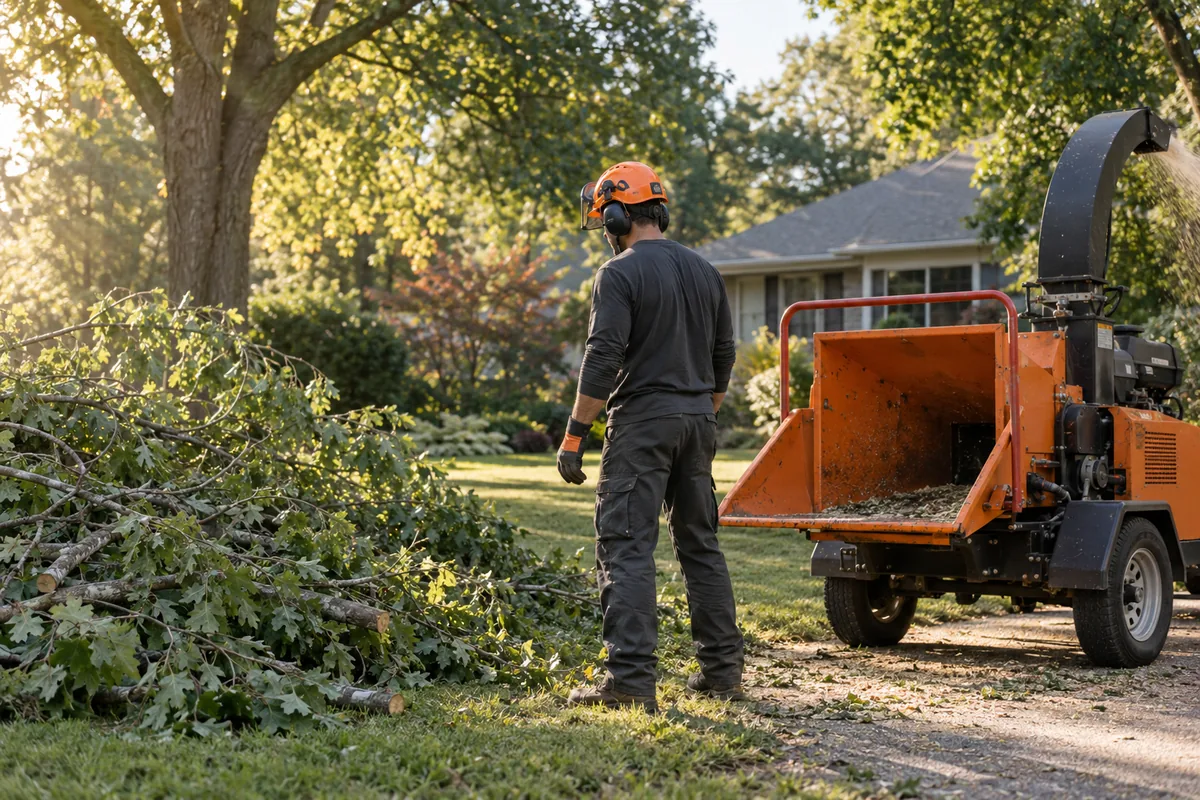
Tree service project context for a professional assessment inquiryFocused websites. Direct inquiries. Your brand.
“I had a great experience working with Jeff…”
Heather DoanGoogle review

Jeff Clerisier founded Trojan Digital Marketing in March 2018.

We have more than 1,400 live websites.

Based in Indianapolis, we serve businesses across central Indiana, including Carmel, Fishers, Zionsville, Westfield, Noblesville, Greenwood, Avon and Plainfield.

We also work with clients across the United States.

Read our Google reviews

Want the domains registered to your business?

That’s the owned-network offer, which includes every inquiry the sites produce, with a one time build fee and annual site renewal. Compare owned-network prices, content tiers and ownership terms. Roofing, water restoration and window treatment networks are available in eligible markets outside Indiana.

FROM SEARCH TO YOUR TEAM

A customer has a question.
Your brand has a useful answer.

Who can assess this tree and the work around it? A focused microsite connects that question to evidence, clear service information, and the right next step.

  1. 01

    The search

    Tree removal assessment · storm related requests · stump scope

  2. 02

    The useful website

    Accepted tree work, assessment preparation, access questions and authorized project evidence.

  3. 03

    The direct inquiry

    Route the actual property location, reported concern and available access context to the appropriate intake contact.

OWN YOUR LEAD SOURCE

Paid leads can be a channel.
Your website can be an asset.

Purchased leads depend on a provider’s terms. Paid advertising can send visitors to your own website. Organic microsite lead generation works by making useful pages discoverable for relevant searches. Each approach has costs and a role; an owned microsite can support paid and organic traffic together.

Keep service availability, credentials and project examples current as the company’s accepted work changes. That is the practical idea behind compounding organic growth: later improvements build on useful work already in place. It requires maintenance and does not guarantee rising lead volume or rankings.

Compare organic leads, paid leads, and ownership

THE TREE REMOVAL MICROSITE PLAN

Here's the order a tree network gets built in. On the free strategy call we list the tree work you accept and the towns your crews reach. We write each site from that list, your office approves the wording, and requests route to the number and inbox you pick. After launch we read each town's search data and rebuild or replace towns that stay quiet.

Define the removal work you want to receive

Tree removal, pruning, stump work, debris handling and broader land clearing are related topics, but a company may not offer all of them. Make the accepted services clear before collecting a request. A homeowner asking about one tree and a property manager lining up work at several sites need different pages.

So we ask which of the two you want more of, which property types you take and how you'd like assessments booked. Those decisions make the page useful to customers and prevent the marketing plan from sending every tree related search to the same vague form.

The International Society of Arboriculture's consumer guidance distinguishes arborist services and emphasizes trained, equipped professionals for tree work. If someone on your crew holds an ISA arborist credential, we name that person on the page. If nobody does, we don't hint at one, and no page suggests every tree it mentions has to come down.

Separate a reported concern from a professional conclusion

A customer may report a fallen branch, visible damage, a tree close to a planned project or concern about a change in appearance. The first page can help that person describe the situation. We won't add a symptom checklist that declares a tree unsafe, because that's your assessor's call after seeing it.

Keep the content focused on what the office reviews, which professional evaluates the request and how the next step is arranged. If the company accepts urgent requests, describe real answering arrangements and limitations. Submitting a form does not mean a crew has been dispatched or that an emergency service is monitoring it.

Match the request with an appropriate intake path
Request typeInformation the office can reviewWhat remains to be assessed
Planned removal discussion
Property location, project reason and decision stage
The tree and proposed work
Storm related concern
Reported situation and a safe contact method
Condition, response availability and suitable next action
Stump work inquiry
Location and the requested service
Access, scope and any connected work
Property manager request
Separate property references and the coordinating contact
Site conditions and authorized scope

Ask for access context without asking customers to inspect hazards

Useful initial questions may include the actual project location, whether the requester owns or manages the property, the type of work being considered and any access information already known. Keep optional detail optional when the customer cannot provide it confidently.

Photographs can support the office's preparation when the business accepts them, but should never require the requester to approach a damaged tree or another hazard. Do not ask a customer to estimate technical conditions or take measurements that belong in a professional assessment.

A good confirmation explains that the company received a request for review. It identifies the next conversation and preserves the distinction between an inquiry, an assessment appointment and an approved job. The service inquiry design guide develops that handoff.

Show project evidence that explains the company’s role

A useful project account describes the reported need, the professional review, the approved scope and the work the company performed. It can show access planning or coordination in plain language without becoming an instruction manual for hazardous work.

Use only authorized photographs and accurately attribute the work. A crane, climbing crew or specialized equipment in a generic image must not imply that your company owns or operates that equipment. If a partner performed part of the project, explain the relationship where it matters to the customer's decision.

Credentials should be current and attributed to the person or organization that holds them. Avoid inventing certifications, response guarantees or safety records to strengthen the page. Specific supported evidence gives a customer more to assess than a broad claim that the team handles everything.

Build SEO content around real tree service decisions

Useful topics include what an assessment request should contain, how the company separates removal from other tree work, what is included in the quoted scope and how property managers coordinate several requests. These topics connect organic searches with an informed next step.

Use tree removal leads, tree service marketing and organic tree service inquiries in the agency offer where they describe the buyer's goal. On the customer's microsite, use the service language the property owner recognizes. Keep the two audiences distinct: Trojan Digital Marketing markets the company, while the tree business performs the assessment and work.

Google recommends useful, reliable content. For this trade, value comes from an accurate service explanation and responsible project evidence, not repeating alarmist descriptions across many local domains.

Give the request a branded and exclusive route

The proposed Trojan Digital Marketing arrangement directs covered microsite inquiries to the named tree business under the agreed scope. Show that business identity before submission and carry it into the response. Exclusive handling by the provider does not stop a property owner from requesting another assessment independently.

Preserve the available discovery source, requested service and inquiry identifier. Link repeated calls or forms about the same project under the duplicate rule. A storm related period may create several interactions with one customer; those interactions do not automatically represent several new leads.

The branded exclusive lead standard explains qualification and ownership separately. Any membership or lead related commercial terms belong in the actual agreement, with a reviewable record behind the count.

Maintain the resources as the business changes

Keep useful information dependableObserveReviewUpdateRecheck
Observe → review
Check the page and its evidence.
Update → recheck
Publish the change and check the result.
Keep useful information dependableReview the evidence, update what changed and check the published result. A new date alone adds no value.

Review answering arrangements, accepted services, credentials, project evidence and the customer confirmation when operations change. If the business pauses a service or changes its coverage, the page should not continue inviting unsuitable requests.

Track qualified assessments, pending requests and accepted work separately from traffic. A lower volume of well matched requests can require a different decision from a rise in general tree care questions. The portfolio guide helps identify whether the next step is clearer service content, a better handoff or a genuinely distinct resource.

Plan the portfolio around your actual capacity

Bring the current website, accepted work, real coverage, approved project material and the person responsible for reviewing requests. Identify what the office needs to decide whether an assessment conversation is appropriate.

We can organize those inputs into a resource plan, an inquiry brief and defined maintenance responsibilities. Discuss tree removal microsites as part of a scoped organic SEO membership. The objective is an understandable owned lead channel, with performance reviewed from actual evidence rather than promised inquiry volume.
Questions about tree removal microsites.

How much do tree removal microsites cost?

A tree removal network gets its price on the free strategy call. The trade is built on request, so we agree the scope and timing with you before you buy anything. You'll see a $399 a month membership price on other Garrison pages, but that one covers roofing and water restoration, and it doesn't carry over to tree work.

Will the site tell homeowners whether a tree has to come down?

No. The site describes your services and books an assessment, and your arborist or estimator makes the call on site. A symptom checklist that labels someone's tree dangerous would put your name on a diagnosis nobody made, so we write pages that ask what the person noticed and leave the verdict to your crew.

Can we advertise storm and emergency tree work?

Only the way you really answer it. If someone on your team picks up after hours for a tree on a house, a page can say so, and we'll route those calls straight to that person. If storm calls wait until the office opens, the page says that plainly, because a form that reads like a dispatch button sets up an angry customer.

Do stump grinding and pruning get their own pages?

Only if you do them. Removal, pruning, stump grinding and lot clearing can each get a page and a request path when your crews handle that work, and anything you turn down stays off every site. When stump work goes to a different crew, we can route those requests to whoever schedules the grinder.

What should a tree assessment request ask?

Start with the address and what the person has noticed about the tree, and let a property manager say they're booking for an owner. Then we add the access questions your estimator actually needs, like whether a truck can reach the backyard or a gate stays locked. Photos stay optional, and the form never asks anyone to walk up to a split trunk or a downed line to take one.

What proof does Trojan Digital Marketing have for a tree service?

We haven't published results for tree removal networks, so we won't quote you tree numbers. What we can show is more than 1,400 live websites and a local Indianapolis-area business whose Google profile interactions reached 523 in July 2026, up 15.5% on July 2025. Tree removal proof would come from your own network's request log.

Understand the model.
Then choose your next move.

Three connected guides explain the strategy, the lead economics, and the ongoing work behind your network.

YOUR BRAND. YOUR NEXT MARKET.

See your tree removal network take shape.

Explore a state, then connect the right territory, content and inquiry process. Each state survey highlights example markets to compare against your real service area.

TX

YOUR NEXT MARKET
Texas

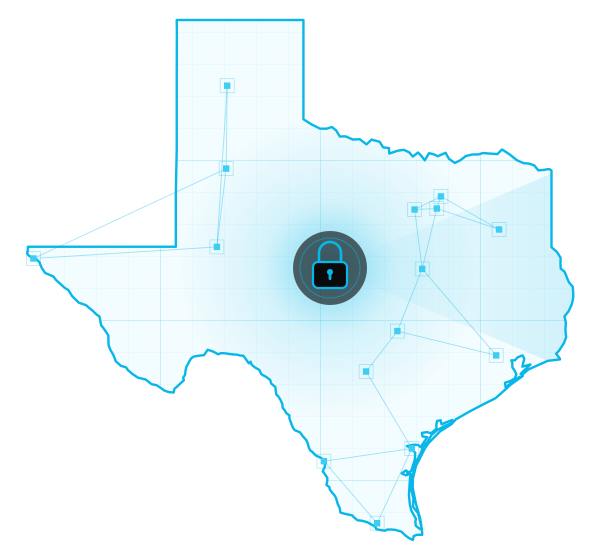
Texas network illustration with a survey grid, schematic connections and a central lock.
Your brand at the center
Schematic connections, not site locations. We confirm your towns and service area before planning the network.

TREE REMOVAL MICROSITES

Texas.
Start with a serviceable market.

One state. Separate metro decisions.

This trade is built on request. We confirm scope and timing before you purchase.

  1. Define the territory

    Choose real service areas and available capacity.

  2. Give each site a purpose

    Accepted tree work, assessment preparation, access questions and authorized project evidence.

  3. Keep the inquiry connected

    Branded pages, direct delivery, and an agreed lead definition.

Price my network.Explore the national tree removal offer

LET’S MAKE IT YOURS

A tree removal network.
Built around your business.

Bring your website, target markets, and examples of the work you want to win. We will define the first useful destination, the ownership details, and the follow up plan.

Price my network.

The first strategy call is free, and during business hours we aim to reply within five minutes.

Keep the requester's role attached to the tree question

A tree inquiry can arrive from someone who cannot approve work at the location. Record that person's role and leave authorization for the provider to establish.

Should the form ask whether the caller owns the property?
Ask for the relationship that helps staff handle the request. A person may be an owner, an occupant or someone reporting a concern on another person's behalf. We suggest making the options understandable and leaving room for a different answer. A selected owner label is still a reported detail. The actual provider decides how it verifies authority before accepting work.
What if the caller is unsure whose tree it is?
Give the uncertainty a usable path to a person. Our content can ask for a description of the location without announcing who owns the tree. Keep the question open in the receiving record. The provider should establish what further information it needs through its own process. A marketing form shouldn't turn an unclear boundary into a confident permission to proceed.
Can a neighbor submit a concern?
A concern can be recorded under the business's approved contact process while authority remains unresolved. We can discuss how staff distinguish that report from an authorized removal request. Preserve who supplied it and what they asked. The website shouldn't imply the caller can order work simply because the form accepted their message.
How should a property contact change be handled?
Keep the earlier requester visible and add the new role where staff can find it. We suggest identifying who now answers questions about access or approval. Avoid rewriting the contact history as if the later person made the original report. That history can help the provider understand which details still need checking before the next action.

Ask the person handling inquiries which role question actually changes their response. We can discuss the form using that specific need. A broad question about property ownership may be less helpful than knowing who can put the team in touch with the right person. Keep legal or professional judgments outside the website's automatic message.

The inquiry can carry an unresolved authority task without becoming useless. Staff still have the caller's account and a route for asking more. Our design discussion should show that open task clearly. A generic ready label can make the contact look further along than it is, especially when the person who can approve work hasn't joined the conversation.

  • Keep the reported caller role beside the location description. We suggest checking that both reach the staff view in a marked sample.
  • Let staff record the approval question they still need answered. The form should avoid supplying a presumed answer for them.
  • Use a separate place for an existing-project update if the business has that route. Our new-request total should preserve the difference between follow-up and another opportunity.

Help staff identify the reported tree without asking for a risky task

The location description should use information the requester already has. Let the provider choose any further assessment steps rather than ask the caller to investigate the tree.

Texas Journeyman Prep homepage with two choices
Location reference: Texas homepage shows distinct visitor task choices. View the project
  1. Ask for a familiar reference The caller can describe where the tree appears relative to a place they recognize. We can discuss a prompt that uses ordinary location words. Avoid requiring a technical map label the person doesn't know. The receiving team can ask for clarification when the reference still leaves more than one possible tree.
  2. Keep the description in context Attach the location words to the concern they describe. If the caller reports more than one tree, let staff understand which question belongs to each. Our form work can preserve that association. A single general attachment field may lose it when several pictures arrive without a description of what each one represents.
  3. Allow limited information The person may be away from the property or reporting what they saw earlier. Leave space for that fact. We suggest keeping the uncertainty visible to the staff member who responds. The form doesn't need to invent a current condition merely to produce a complete-looking record.
  4. Let the provider ask the next question Further site information should follow the actual company's approved process. Our marketing page can explain the contact step without telling the requester to climb, inspect or approach a hazard. The provider determines what it needs to assess the situation. A website request should not imply that the caller has completed that assessment.

The Texas Journeyman Prep homepage presents distinct task choices on a real project screen. We use it as an interface reference for making a choice recognizable. It isn't a tree-location tool or a tree-service result. Your request path needs its own words, based on the information the receiving team can use and the judgments it must make later.

Do we need an exact map pin?
Ask why the receiving staff need it and how a person would supply it. We can discuss a location input if the business has a workable process for checking it. A pin placed by a requester can still be uncertain. Keep the description available so the team isn't forced to rely on that point alone.
Should the page tell someone how to inspect the tree?
Keep the marketing task focused on reaching the provider. We suggest asking for an account of the concern from information the person already has. Professional inspection instructions need the proper source and context. This guide makes no finding about a tree's condition or a safe way to approach it.

Preserve access context as reported information

Access details can help the receiving team prepare its questions. Keep them distinguishable from a crew's judgment about whether or how work can be done.

Tree-removal request triage inputs
InputRequester can describeProvider still decides
Authority questionTheir own relationship to the property.What approval is required before accepting work.
Tree referenceWhere the reported tree appears to be.How to establish the location for its assessment.
Access contextPractical information already known to the caller.What the crew needs and which arrangements are suitable.
Assessment routeThe assistance the caller wants to discuss.The next action the business can actually offer.
Can the form ask about a gate or entry point?
Use an approved question if that detail helps the provider respond. Our discussion can keep a reported entry point separate from a promise that equipment can use it. The caller may know a gate exists without knowing whether it suits the work. Let the team decide what further information or inspection it needs.
What if the caller wants work done immediately?
Preserve the requested timing as the caller's preference. The business has to confirm its own response and availability. We can discuss an acknowledgement that describes the actual next contact step. It should avoid sounding like a crew assignment before the provider accepts that task. No removal time is promised by this marketing guide.
Should the caller measure an access route?
Ask the provider which information belongs in the initial contact and what requires its own assessment. We don't invent a measuring task for the requester. A reported estimate can also be inaccurate. Our interface can keep a missing detail pending rather than force a figure the person cannot supply confidently.

A receiving notice should carry the useful access context along with the location reference. We can discuss that pairing before the form is built. If one detail is missing from the staff view, adding more questions to the public page won't repair the handoff. Check the actual information that arrives and the next task it allows the team to perform.

  • Mark a requester-supplied detail by its source. We suggest avoiding a staff label that makes it appear professionally verified.
  • Keep a changed access instruction attached to the same question when the provider can confirm that link. It shouldn't automatically create another removal opportunity.
  • Ask which practical detail staff need first. Our form can leave other questions for a later conversation when that is the business's approved process.

Give each optional image a purpose the receiving person can follow

A photo can accompany a reported concern while leaving condition and location questions open. Connect the file with its description and let the provider interpret it.

How many images should the first form require?
Start with the task the provider wants the upload to support. We can discuss an optional route when a callback can begin without a photo. A fixed image count isn't useful if the person lacks suitable material or the staff don't need it. Avoid asking someone to create a new viewpoint to satisfy a marketing field.
What should the file description say?
Ask what the image is meant to show and whether it is current, if the business uses that information. We suggest keeping the person's wording alongside the file. The description should help staff identify the reported tree. It should avoid turning the photograph into proof of a cause, ownership boundary or agreed removal method.
What if the image shows more than one tree?
Retain the location description and have staff clarify which one the caller means. Our request interface can keep that question visible. Adding an automatic service category won't settle it. The provider may need a conversation before it can determine which further information is appropriate for the requested assessment.
  • Open the saved test image where the receiving staff will actually view it. We need to see whether the file is usable in that destination.
  • Preserve a reported older image as older material. An upload date records when the file was sent, rather than when the scene was photographed.
  • Check the recovery message for an unsuccessful upload. Our discussion can use the business's approved alternate contact path if the file cannot be received.
  • Ask who handles material showing a private property. Keep access arrangements appropriate to the actual business process without inventing publication permission.

The person writing website content should avoid describing a submitted image as a professional finding. We can discuss an interface that leaves the interpretation with your provider team. A useful photo path solves a contact problem: the staff can locate the material and connect it to the question. It doesn't establish that the tree needs removal or that the proposed work is authorized.

Keep a picture's stated purpose if the requester replaces the file. Staff may otherwise see a new image beside an old description that no longer fits. We can discuss a small update path for that situation. It should preserve the original question while making the current attachment identifiable. Ask the operator what history it needs to retain and who is allowed to amend the request. A changed file should avoid silently changing the recorded professional status.

Trace a fictional authority question through the form

A hypothetical request can test how the page preserves uncertain authority. Keep the example separate from real tree work and any measured business result.

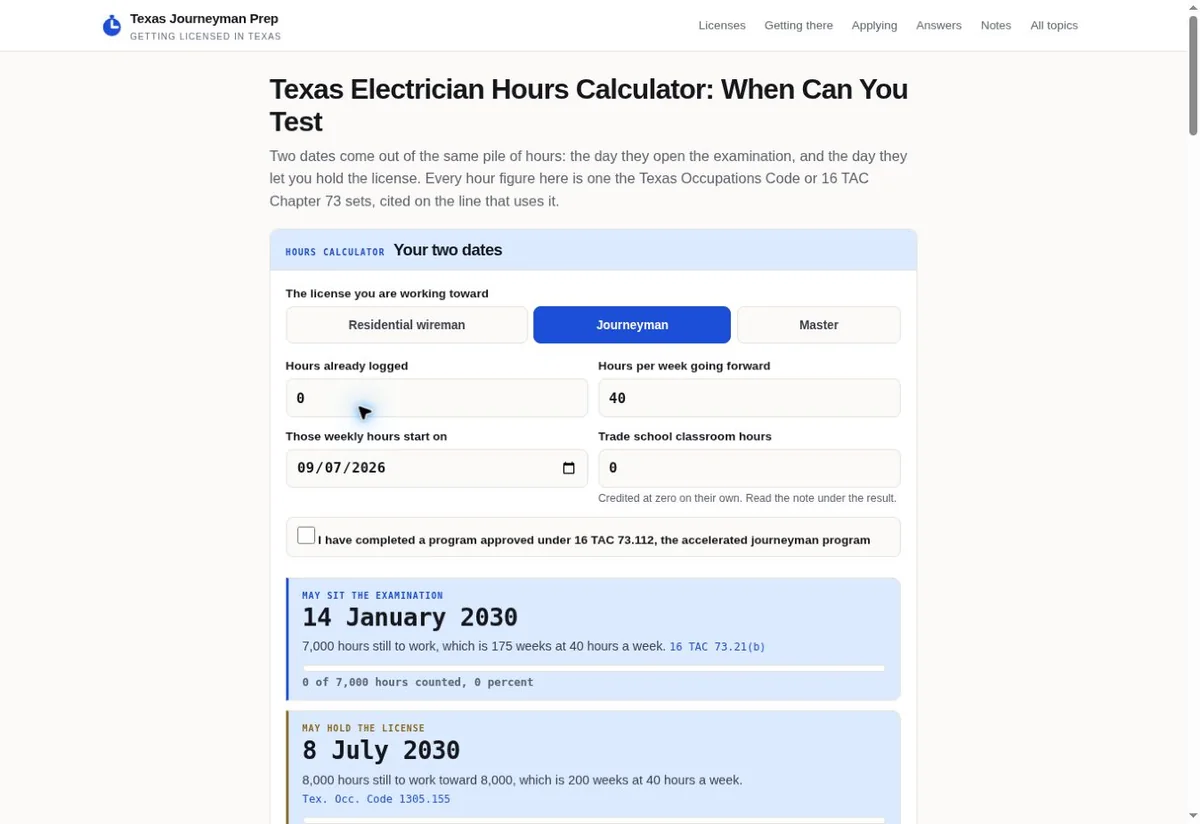
Texas Journeyman Prep calculator with labeled fields
Request labels: Two hour questions remain visibly distinct in the Texas planning screen. View the project
Hypothetical example A hypothetical Indianapolis, Indiana resident reports a tree question without verified work authority

Before

  • An unnamed resident describes a tree visible near the edge of a property and asks whether the provider can discuss it. The person is unsure who can approve work at that location. In this invented exercise, a required owner checkbox leaves no honest answer. The person chooses it simply to submit the question.
  • The receiving notice then labels the request ready for removal. That stage doesn't follow from the supplied account. We would flag both the forced role choice and the staff label. A photograph could add context, but it would not resolve the person's authority or establish a professional conclusion about the tree.

After

  • The proposed role field gives the unsure requester a path to staff. The notice retains their location description and the open approval question. We can test whether the receiving person can identify what needs clarification. The page confirms only the action the operator has approved at this stage. It does not claim the work has been accepted.
  • The provider's later assessment and authorization process remain outside the exercise. Our sample demonstrates a request-handling question that an owner can inspect. There is no removal result, customer identity or revenue figure. If staff establish a different next step, that belongs in the actual business record rather than a website-generated assumption.

The Texas Journeyman Prep calculator screen shows labeled planning inputs in a different project. It gives our discussion a visible form reference without suggesting that the calculator handles tree inquiries. Look at each proposed tree field as a question with a real receiving purpose. A clearer interface still needs its own marked submission and staff-view check.

  • Use a test label the receiving team recognizes. We suggest keeping the sample out of ordinary customer counts.
  • Check the requester role in the saved record. Our correction should preserve their uncertainty through the whole path.
  • Read the acknowledgement beside the staff notice. Neither should imply a work authorization the exercise never established.
  • Retain the test's open questions. A successful upload or receipt doesn't settle the provider's next professional action.
What if the role is missing from the staff notice?
Trace the field from the submitted sample to the receiving view. We suggest fixing the point where it was lost. Adding another required role question on the page can leave the same handoff fault in place.
Should the test have a real customer name?
Use an agreed test identity and mark its purpose. Our sample needs to show how the role and request travel. It doesn't need a real person's private details to demonstrate that behavior.

Buy a contact path whose next action the provider can explain

The website package should support the operator's actual next step for an unresolved tree question. Compare proposals by the information and handoff checks they include.

What should the page say happens after contact?
Use the tree business's approved description of its response process. We can discuss how the page, form and receiving notice express that step. If staff must clarify authority or location first, keep that task visible. Avoid an invented visit interval or removal commitment. The operator determines its assessment and scheduling arrangements.
Which details affect the website work price?
A role field, optional image path and receiving-system change can each add work. Tell us which ones your staff actually need. We can discuss the package using those specific tasks. The price for marketing work is separate from any tree-service estimate the provider may later offer. There isn't a universal removal figure supported by this request.
How should a failed follow-up be recorded?
Use the operator's real outcome labels and preserve the original concern. We suggest keeping a request awaiting another contact distinguishable from one the provider declined. That helps an owner inspect a handoff problem without treating every unresolved question as poor demand. Staff need to maintain the actual status if the business wants that analysis.
Can we make the form do less?
Yes, where a shorter request still gives staff a useful next action. We can discuss moving a question to a later conversation if the provider approves that route. A page should avoid asking the caller to make the professional judgment the team intends to make itself. Test the proposed shorter path with an honest unsure request.

Bring us the role or location question your current intake loses. From our Indianapolis, Indiana base, we can discuss the content and interface work with your actual receiving team. Your tree provider supplies the authority process and its professional service facts. That division lets an owner assess the website work against the handoff staff need and the next action the provider approves.

Ask which acceptance check closes the website task. We suggest a marked request that retains the reported role and reaches the intended person. If another system loses it, identify that gap and its owner. A complete-looking form isn't enough to show the information made it through. Keep the checked delivery step separate from any later accepted work or sale.

Sources

Read more on this