A pool site's job is to get a homeowner from "could a pool fit back there?" to a design visit worth your salesperson's drive. We build each site around the pool types you actually install, how your projects run and photos you've approved. We're based in Indianapolis and take on pool builders in any state, and the sites cover only the towns you name. The customer should understand the builder behind the page and what a consultation can clarify.
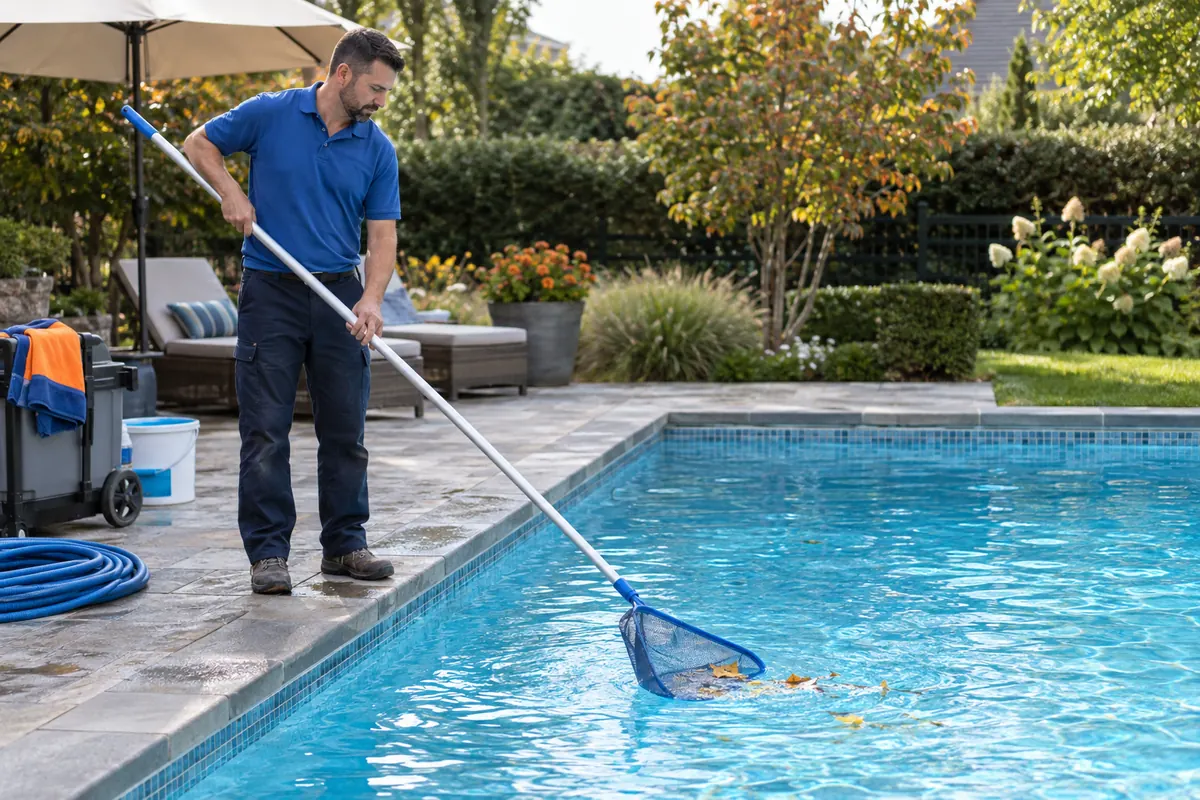
Separate installation from pool maintenance
A person exploring a new inground pool has different questions from an owner who needs cleaning, equipment service or an opening appointment. Make installation the clear purpose of the microsite. If your company offers several services, route each request to the relevant process.
The page should identify the build types, project scope and customer properties the company accepts. A business specializing in one construction approach should not imply it supplies every pool type. A company that coordinates selected outside work should explain its role where that matters to the proposal.
Pool cleaning and service companies have their own page with us. This one covers new builds, and we don't recycle maintenance copy under a new headline.
Organize the offer around planning readiness
Some visitors are exploring whether a pool fits their plans. Others have a defined project and want to compare builders. A useful resource gives each person enough context to choose a next step without forcing an early stage visitor to invent final specifications.
| Planning stage | Useful resource | Appropriate inquiry context |
|---|---|---|
| Exploring the idea | Explain the company’s actual options and consultation process | Broad priorities and property location |
| Comparing project approaches | Show approved examples and scope boundaries | Preferred features and decisions still open |
| Preparing a design conversation | Explain the information the builder reviews | Available property context and project participants |
| Reviewing a proposal | Clarify inclusions, exclusions and the next discussion | Questions about the specific written scope |
No online selector can confirm the yard will work, the final cost or a dig date, so the form only hands your team what the homeowner knows so far.
Show the project scope beyond the pool image
A striking photograph can introduce the offer, but the customer also needs to know what the company includes. Explain how the builder discusses the pool itself, related outdoor work, equipment, access, project coordination and handover within its actual service model.
Separate examples of available features from a claim that everything shown is included in a standard package. If a portfolio includes landscaping, furniture or work completed by other companies, identify the pool builder's contribution accurately.
Prepare content around the questions your sales team repeatedly answers. A scope comparison can be more useful than a long feature list when it helps a homeowner understand why two proposals may not describe the same project.
Use real evidence and label design concepts
- Offer
- Explain what the customer can get.
- Evidence
- Support the offer.
- Action
- Make the next step easy to use.
A useful project story explains the customer's stated priorities, the builder's role and the approved scope. Use photographs and details with permission. Identify whether an image shows a finished project, a design concept, a manufacturer example or a general illustration.
A rendered concept should not be presented as a completed pool or as evidence of a particular customer's result. If the business has documented construction stages, those can explain the process in context without becoming a universal timeline claim.
We sort your approved photos into a project library, and each image is labeled as your finished build, a design concept or a manufacturer example. We won't print a pool count you can't back up, or suggest every backyard can take the same design.
Keep planning and ownership information responsible
A new pool affects how the property will be used and maintained. A resource can help customers prepare questions about ongoing care, operating responsibilities and safety planning while directing project specific requirements to the builder and appropriate authorities.
The CPSC Pool Safely program provides consumer information on pool safety. Link to appropriate public resources without presenting the microsite as a substitute for a site specific design or review. Avoid claims that a design feature makes a pool risk free.
The page should accurately explain what the company's consultation includes and which decisions remain outside that first conversation. This keeps the offer helpful while preserving the distinction between marketing guidance and the approved project plan.
Build a consultation form around the next decision
Ask for the actual project location, whether the requester owns or represents the property, their broad installation interests and the stage of planning. A preferred contact method and the people involved in the decision can help the office arrange a productive conversation.
Budget context may be useful if the business genuinely uses it to determine fit, but explain its purpose and allow the customer to say they need guidance. Do not use an arbitrary threshold to imply a complete pool can be delivered at that amount.
Keep the confirmation accurate. A request for a design conversation is not a confirmed construction slot, an approved financing decision or a final quote. The service inquiry design guide helps connect the form and the actual response process.
Use SEO and AEO to answer the buyer’s real questions
- Fit
- Explain the service scope.
- Trust
- Show supporting evidence.
- Next step
- Give a clear contact route.
Potential content includes how the company's design consultation works, what belongs in a pool proposal, how to prepare property information and how to compare the options the builder actually supplies. The page should answer a distinct decision and lead to relevant project evidence.
Google's helpful content guidance values original information. A resource with clear scope explanations and approved project stories contributes more than another city page repeating the same pool installation pitch.
AEO and GEO work can make those questions and answers easier to understand, with consistent business facts and appropriate page structure. Rankings, AI citations and inquiry volume remain uncertain. Use inground pool lead generation and organic pool builder leads in the agency offer where they describe the owner's objective, while the customer microsite stays focused on the homeowner's project.
Connect the branded resource with an owned lead process
The proposed exclusive routing arrangement directs covered microsite requests to the named pool business under the agreement. The visitor sees that company's identity before submitting. The customer remains free to compare builders independently.
Keep available source evidence, duplicate interactions and qualification stages clear. A long planning conversation may involve several visits, forms and calls about one pool project. Those interactions should not be reported as several new opportunities simply because they crossed multiple pages.
The branded exclusive lead standard explains the relationship between source, qualification and ownership. Organic and paid discovery can support the same resource when the report keeps their evidence and costs distinguishable.
Review the portfolio against the real planning cycle
Maintain the offered build options, approved project examples, consultation process and actual coverage. Show pending opportunities separately from completed outcomes so a project still in design is not labeled a loss merely because a reporting month ended.
Useful content can support later conversations and future discovery, but growth is not automatic. Review the cost, quality and progression of inquiries before adding more domains. Discuss inground pool microsites with Trojan Digital Marketing using your project library and current sales process, then define the membership scope and operating responsibilities in writing.