Your entry choices at a glance
| Choice | Price in dollars | What you receive |
|---|---|---|
| Monthly membership | 399 each month | 50 branded sites; every qualified inquiry included |
| Yearly membership | 800 opening year; 600 renewal | 50 sites; five qualifying leads yearly; 175 per additional lead |
| Owned entry network | 11,900 first year; 6,500 renewal | 100 sites at Tier 1; your business holds the domains; all inquiries included |
We create your branded sites and send their inquiries to your team. Start with a free strategy call to check the proposed territory and accepted services.
What our early restoration inquiries teach this buying decision
Our published Indiana restoration record covers July plus August 2026, closing on August 31. Across 204 websites, we recorded seventeen calls and form inquiries. Eleven fell during the August floods; six arrived outside that event. The recorded situations included a flooded church basement and a sprinkler-line break. Another report described basement water seven inches deep.
That experience keeps the incident question central to our page planning. A short report can describe very different requested work. We ask your business which situations it accepts and how staff distinguishes a relevant restoration request from work outside the offer.
The count excludes missed calls. It records received inquiries, without establishing qualified-lead status or booked jobs for those seventeen entries. We carry that distinction into your membership conversation. Your plan's billing definition needs its own check against the request.
You can read the dated Indiana restoration observations with their stated period. They show why we keep event-related inquiries separate when explaining an early record. Your proposed Plano allocation has different operating facts. We discuss its actual fit and budget without turning that historical count into an expected delivery rate.
Questions, answered.
Local context
- The Census Bureau's 2014 Texas place file records Plano and Dallas separately. Census Bureau 2014 Texas place geography
How do we compare ownership without losing sight of the upfront cost?
Start with the full opening total and the later renewal, then examine the rights attached to each purchase. For an owned Tier 1 purchase with one hundred websites, the opening total is 11,900 dollars. Renewing that same network costs 6,500 dollars annually. The domains are registered to your business and generated inquiries have no separate lead fee. Membership has a smaller published entry price while Trojan retains the network. We can compare those commitments with the budget and domain control you want.
Is this page for a homeowner needing restoration today?
This page is for the business choosing a marketing membership. Our contact route starts a conversation about Garrison websites and pricing. A homeowner needs to reach the restoration company handling their request. We keep that distinction clear when planning your branded resources. Your company decides whether to accept a property inquiry, which staff member continues it, and what work can be offered. A marketing conversation with Trojan doesn't send someone to the property.
Can my company buy a Plano membership if its office is elsewhere?
We discuss the addresses your company actually serves, along with the proposed network allocation. The property markets matter to eligibility, so the office location doesn't settle the question by itself. Plano, Texas can be proposed for this outside-Indiana offer, subject to our market check. Bring the other places you'd like covered and any limits your staff follows. We confirm the agreed list before enrollment rather than treating a regional label as a complete territory.
How does the 399-dollar option handle extra qualified leads?
That amount is the monthly price for the published 50-site size. Every qualified lead from the covered network is included in that charge. There isn't an annual allowance followed by a per-lead bill on this payment choice. We can compare its fixed network spending with the yearly membership using your own figures. Your operation still has the costs of answering requests and delivering work, which belong in your business budget.
What is included in the 800-dollar first year?
It is the opening-year charge for the 50-site pay-per-lead membership, covering the network build and its first year of domains, hosting and upkeep. Five qualified restoration leads are included during the membership year. Later qualifying leads carry the agreed 175-dollar additional rate after our manual check. We explain that separate charge before you enroll. The following annual renewal is 600 dollars, with a fresh five-lead allowance for the new membership year.
Does a sixty-second call automatically qualify?
The published call threshold is longer than sixty seconds. The requester and location also have to fit, and the person must want a service your business sells. Those conditions prevent duration from becoming the whole billing test. We manually examine extra leads before approving the charge. Your staff's notes can explain when a long conversation concerned a vendor request or work outside the accepted service list. Bring questions about the exact rule to the enrollment discussion.
How should we handle a customer who doesn't know what caused the water?
We can let the person describe what they saw without asking them to diagnose the property. Your restoration staff makes the assessment through its own process. The page can collect the location and the requested help, then point the report to your team. An uncertain cause should stay uncertain in the receiving notes. We plan the intake wording with you so a brief form doesn't present an unconfirmed technical conclusion as an established fact.
What happens to an annual allowance we don't receive?
At the membership year's end, undelivered included leads are valued at your locked additional-lead rate for a credit toward the next renewal. The total is limited by the renewal price and carries no cash value. We can show the arithmetic for the size you choose. Keep the calculation tied to the completed membership year and its qualified-request records. Monthly membership has no allowance, so that credit mechanism belongs to the yearly pay-per-lead arrangement.
Can I use the renewal credit to get cash back?
The published protection applies to your next yearly renewal. It doesn't create a cash refund or a payment above the renewal limit. We encourage you to understand that before choosing the annual model. In the illustrative entry-plan calculation above, a large shortfall reaches the 600-dollar renewal cap. Any amount beyond that cap isn't carried as an extra cash balance. Your own working budget should account for the terms of the purchase you select.
Are the five included leads a promise of five booked jobs?
The allowance concerns qualifying inquiries under the membership rules. A booked restoration job is a later business outcome. Your team must discuss the work with the property owner and agree whether it can be performed. The person can choose another company or decline the proposed work. We keep qualification and sales outcome separate when explaining charges, so the included allowance doesn't read as a booking commitment or an expected amount of project revenue.
Would fifty websites give us fifty different town allocations?
We agree the market list and the purpose of the resources before the site count becomes a plan. A fifty-site size doesn't grant fifty separate city territories. Your company's accepted addresses and customer questions should support how the network is used. We can discuss the reasons for each part of the proposed allocation. The larger tiers change pricing and included annual allowances, but the same need for a real service boundary remains.
Who receives requests from the membership websites?
The branded network sends inquiries to the receiving destinations agreed for your business. Your staff answers calls and reads the forms, then handles the customer conversation. We discuss the person responsible for checking those destinations when contact details change. Exclusive routing means those covered inquiries aren't resold by Trojan to competing contractors. The homeowner remains free to approach another company independently, so an exclusive route doesn't control the person's wider buying choices.
Can an owned restoration network serve Indiana?
Our current owned restoration offer excludes Indiana, as does the restoration membership. Tell us the proposed state and place list even when the company is based elsewhere. The eligibility check follows the intended coverage. We won't infer a permitted market from the headquarters address or a historical project. Your requested Plano allocation still needs confirmation before purchase. Jeff can discuss the options supported by the actual offer and explain any boundary that affects your proposal.
What should change when our office starts using another telephone number?
Tell us the approved replacement destination and when your staff will begin using it. We can discuss the changes needed in the covered websites and inquiry route. Your receiving colleague should confirm the new destination reaches the right person before the old arrangement ends. Public response wording may also need attention if answering hours have changed. We can keep the sites accurate when you tell us how your staff receives requests and which operating facts have changed.
How do you separate received requests from planning assumptions?
Bring your received requests with the period they cover, then state any proposed future pace separately. We can discuss both without turning the hoped-for result into a delivery record. The pictured calculator uses Hours already logged for a past total. Its other field, Hours per week going forward, asks for a pace assumption. That visible distinction helps us plan a clear budget worksheet with your business. Your staff still checks which received restoration requests met the membership definition.
Can I pause an annual membership under the monthly cancellation rule?
The two payment arrangements have separate terms. Monthly membership has an initial ninety-day proving period and then permits stopping with thirty days' notice. The pay-per-lead option runs for a year at a time, with nonrenewal handled under the agreement's notice terms. We walk through the applicable choice before you enroll. If you later want to change plans, discuss the proposed change with Jeff rather than assuming one plan's notice rule transfers to the other.
A membership sized around the requests you'll accept
Before you choose a size, we discuss the addresses your business serves and who answers its inquiries. A proposed Plano allocation needs our market check before enrollment. The request starts that conversation; it doesn't hold a territory.
We plan local pages for owners seeking cleanup after water damage. Those pages can appear through organic search or AI answers. We want useful service coverage that earns trust over time. Search impressions and clicks help show where that coverage needs attention. We compare domain ownership and renewal costs alongside the work, using a budget your business can support.
Put the property address ahead of the city label
A caller may describe a property as being near Plano while your team needs its actual address. We plan the location question around that gap. Your approved coverage list should name the places you accept and explain how staff handles an address near a boundary. A broad label such as Dallas area leaves too much for a hurried caller to guess.
Read more
The Census Bureau's 2014 Texas place file records Plano and Dallas separately. That dated source supports keeping the two names distinct in your proposed allocation. Your business still supplies today's working service limits. We ask you to separate places you routinely accept from addresses that require a conversation before you agree to attend.
For example, a proposed Plano membership could focus on residential requests within an agreed list. You might want to assess a request from elsewhere individually. We can make that distinction clear in the page wording, so a homeowner understands why staff needs the property location. An exception stays with the person authorized to approve it.
Your office address and the property address serve different purposes. Eligibility for this offer follows the network's agreed markets. Tell us where the work would happen, including any proposed Indiana coverage. Our restoration offer excludes that state. We confirm the proposed allocation before enrollment and avoid treating a business mailing address as its full service territory.
Use the restoration network overview for the wider service. This Plano page helps you decide which requests and billing terms belong in your own membership.
Name the incident types your staff can assess
A homeowner's description can be brief or uncertain. We help turn your approved service list into choices they can understand. The choice should tell your staff what the person reported. Your restoration team makes the professional assessment and decides whether to accept the job.
Indoor water damage
Describe which indoor water-damage requests your business accepts. A person may report a wet ceiling or water near an appliance without knowing the cause. We keep the question close to that observation. Your staff can ask for more detail during the conversation, without the website declaring what failed.
Flooding requests
Say whether flood cleanup is within your approved work. A caller's use of the word flood can cover very different situations. We can give the person space to describe where they saw water. Your team decides what that report means for the equipment and people the job might need.
Sewage cleanup
If your firm accepts sewage-cleanup requests, that choice needs clear wording. We ask you to approve the service description and the person who receives these inquiries. The homeowner doesn't have to select a technical category of contamination. Staff can establish the facts and explain what happens next.
Requests outside your work
A plumbing repair request may reach a restoration website even when your company doesn't sell plumbing repair. We help you state that limit early. Your receiving team can distinguish a request for cleanup from a request for another trade, then apply the agreed lead rules.
Understand what makes an inquiry billable
- Relevant visit
- A person reaches the page.
- Inquiry
- The person contacts the business.
- Qualified lead
- The inquiry meets the agreed rules.
- Booked job
- The customer chooses to proceed.
Under the published membership definition, a qualifying call runs longer than sixty seconds. A qualifying form is another route. The person requesting help must own the home or property, want a service your business sells, and have a project inside the agreed service area. These conditions work together.
Read more
Call length alone doesn't establish the rest of the definition. A long conversation with a vendor still falls outside it. A person seeking employment also falls outside the published rules. We manually check additional leads before a charge is approved. Your team handles the customer conversation while the billing check uses the relevant inquiry record.
Keep what the person reported separate from what your staff confirmed. Someone might describe a leak but need work you don't perform. Another person might need an accepted service at an address you don't cover. We want those differences visible in the receiving notes, so the discussion doesn't rely on a vague label such as good call.
A qualified inquiry can end without a sale. The owner might choose another company or decide against the proposed work. Your team's appointment and sales process is part of that outcome. The membership fee rules concern the defined request, so we discuss qualification independently from whether a job gets booked.
Read the published restoration membership offer beside your proposed service list. Ask which record supports a charge and how staff handles a disputed entry. We settle the applicable duplicate and billing procedures in the agreement before you rely on them.
Ask for a useful report without asking for a diagnosis
A first contact form should collect enough information for your team to continue the conversation. We can keep the questions plain and leave technical findings to your restoration staff. A person looking at damage may know where it appeared, yet have no reliable explanation of its cause.
| Field | What the visitor can report | What your staff checks |
|---|---|---|
| Property location | Street address and stated town | Fit with the agreed coverage list |
| Requested help | The service they want to discuss | Whether your business sells that service |
| Observed situation | Where they noticed water or damage | Questions needed for an assessment |
| Owner connection | Their relationship to the property | Fit with the qualifying requester rule |
| Reply details | A usable way to contact them | Who takes the next conversation |
We can add an uncertain choice when the person can't match their report to the listed services. That gives staff a reason to ask a follow-up question. The wording should explain what sending the form does. Your company receives a request; a staff member decides the next action through your own process.
Keep sensitive records out of this first step. We don't need insurance files or detailed documents to discuss your marketing membership. For homeowner intake, your business decides which information is appropriate and where it belongs. A short opening request can lead to a more careful conversation once the right person responds.
Give different questions different starting points
On our Texas Journeyman Prep project, the blue Get my exam date button sits beside a pale Check my application choice. A visitor can identify two tasks before opening either one. We can apply that clear separation to your restoration resource, using the actual questions your customers bring.

Your page could separate asking about accepted cleanup from checking whether an address is covered. We would write both routes in your business's words and keep the contractor identity visible. Someone who reaches the wrong starting point should still find the next relevant question.
We build that structure from your approved services. The picture shows an education website's interface. Its visible buttons give you a concrete design example to discuss with us when choosing your own intake labels.
Monthly membership gives you a fixed network charge
The 50-site monthly option costs 399 dollars each month. That price includes all qualified leads produced by the covered network. There isn't an included-lead allowance to spend down, and a qualifying inquiry doesn't add a separate lead fee. Choose this model when you want the network charge to stay separate from inquiry volume.
Read more
The first ninety days are billed monthly as the proving window. After that period, you continue month by month and can stop with thirty days' notice. Your agreement should show the billing start and the notice route. We can explain those terms before you choose an enrollment date.
The monthly purchase covers the build and domains, plus hosting and upkeep. It also includes fresh local articles and updates to pricing guides and frequently asked questions. Your team approves business facts that change. We need to hear when an accepted service or contact destination becomes outdated, so the published offer stays accurate.
There is no shortfall credit on this option because it has no annual lead allowance. Your payment buys the covered network and its managed work. Quiet periods still matter to your business, but they don't create the yearly allowance calculation used by the other billing model.
To compare spending, use your own records for the same period. Include the network invoices and any separate work you've purchased. Count actual qualified requests and jobs your staff confirms. We won't turn a website count into an expected stream of restoration jobs. A larger purchase should fit a real purpose and the budget you can support.
Annual membership separates the network from additional leads
The pay-per-lead entry option costs 800 dollars for year one. That buys the 50-site membership, including its build, domains and first year of care. Five qualifying restoration leads are included in each membership year. After those five, the published rate is 175 dollars per additional qualified lead.
Read more
The fee for extra leads is billed after delivery, on the monthly billing cycle, following our manual check. The network's opening-year price and each later lead charge have different jobs. Your budget should allow for both rather than treating 800 dollars as the complete cost regardless of inquiry volume.
Annual renewal for this entry size is 600 dollars. A new membership year starts a fresh five-lead allowance. Renewal includes domain renewals and hosting, with upkeep and refreshed local content. The published renewal work also covers the pricing guides and customer questions on the sites.
Your additional-lead rate is set when you sign up. It remains fixed while the membership renews continuously. Published prices for a new member can change later. We ask you to keep your agreed rate with the other billing terms, so your staff can compare an invoice with the correct enrollment terms.
This model runs in yearly periods. You can choose against renewal under the notice terms of your agreement. Ask about that notice before signing. The monthly plan's thirty-day exit after its initial proving period belongs to that monthly purchase. We'll explain the yearly arrangement as its own choice.
Compare network size using the full restoration price
Here are the published membership sizes for restoration. All amounts below are in dollars. The additional-lead column applies to the yearly pay-per-lead purchase. Monthly members receive every qualifying lead within their monthly network price.
| Websites | Monthly option | First yearly period | Later yearly renewal | Yearly allowance | Extra qualified lead |
|---|---|---|---|---|---|
| 50 | 399 | 800 | 600 | 5 | 175 |
| 100 | 699 | 1,600 | 1,200 | 10 | 165 |
| 150 | 949 | 2,400 | 1,800 | 15 | 155 |
| 200 | 1,199 | 3,200 | 2,400 | 20 | 150 |
| 300 | 1,699 | 4,800 | 3,600 | 30 | 145 |
We don't assign a separate town to every website simply to fill the chosen size. The agreed market list and each resource's purpose need to support the purchase. Fifty websites can serve an approved plan without representing fifty independent city allocations. We'll discuss how the sites help people find your company and ask relevant questions.
A larger tier lowers the listed additional-lead rate on the yearly plan. It also increases the network cost and allowance. Compare those amounts with the work you can accept. You can inspect the complete membership pricing ladder before asking Jeff about a different size.
Follow an annual shortfall from the record to renewal
The yearly plan has a specific protection for its included lead allowance. At year-end, we value any undelivered part of the allowance using your fixed fee for an additional lead. That determines the following renewal's credit. The total can't exceed that plan's renewal charge. You apply it to the next renewal; there isn't a cash payment to take instead.
Illustrative 50-site restoration credit
Suppose a member on the yearly entry plan receives two qualified leads during the membership year. The allowance was five, leaving three undelivered included leads. Using the 175-dollar signup rate, three times 175 produces a 525-dollar credit. The 600-dollar renewal would then have 75 dollars remaining after that credit.
If that example member received none of the five included leads, the multiplication would produce 875 dollars. The renewal limit reduces the credit to 600 dollars. It doesn't produce an extra 275-dollar balance or a cash refund. These figures explain the contract math; they're hypothetical delivery counts.
We keep the period and the plan beside that calculation. A recent calendar quarter is different from a completed membership year. Your accountant should be able to identify which allowance was active and which records counted toward it. If a disputed inquiry is unresolved, discuss its treatment before relying on a renewal total.
On a larger yearly size, use that size's allowance and your locked lead rate, then apply its renewal limit. The same arithmetic changes with those inputs. We can walk through your selected plan during the first conversation, so the protection is clear before you commit.
A renewal credit doesn't pay the wages or equipment costs your restoration business carried during a quiet period. Plan for the network fee alongside your own operating costs. Monthly membership has no allowance calculation; the comparison depends on which payment structure you want to carry.
Make the receiving notes specific enough to check
Staff can record an inquiry without deciding its final billing status during the first conversation. We ask you to keep the reported service and address together, with the outcome of the follow-up. That lets the person checking a charge understand why a request did or didn't fit.
Read more
For a hypothetical example, an owner submits a form asking for cleanup at a covered Plano address. Your staff then learns that the person wants a plumbing repair your company doesn't sell. Record that distinction clearly. The initial choice on a form shouldn't erase what the customer actually requested when someone spoke with them.
A second example might involve a repeat conversation about the same property. Your agreement needs a procedure for repeats and disputed entries. We discuss the supporting records and who can flag a concern. Avoid assuming that a new timestamp makes an existing request a fresh billable opportunity.
Your own job notes can stay in the system your team uses. The billing check needs the relevant request details, with access appropriate to the people involved. We can agree how those records are shared without moving private project files into a public form or publishing them on the websites.
Choose ownership when domain control matters to the purchase
An owned Garrison network puts the domains in your business's name. The available range starts at 100 sites and reaches 1,000. You pay a setup amount plus the first-year price for each site. Later renewals use the selected tier's annual site rate. Every generated inquiry is included without a per-lead invoice.
Read more
At the entry owned tier, a 100-site network costs 11,900 dollars for year one. That total combines 3,900 dollars of setup with 8,000 dollars for the sites. Annual renewal for those 100 sites is 6,500 dollars. We show those totals together so you can compare the upfront commitment with a membership.
The ownership decision concerns the domains and agreed assets as well as spending. Your company receives the calls and forms. We don't resell those covered inquiries to another contractor. A homeowner can still choose to approach another business independently, so direct routing doesn't give your company control over the customer's other conversations.
Membership uses a network that Trojan owns and operates. Owned-network domains belong to your business. In either case, the agreement needs a clear market list and service purpose. We can discuss which rights matter to you before the lower opening membership price drives the whole decision.
The owned-network purchase details give you the complete offer. Restoration ownership also requires eligible coverage outside Indiana. We check availability for the proposed places before asking you to select a final site count.
Match the owned content tier to what you'll maintain
The owned tiers differ in yearly article allowances and site prices. Every tier includes care for the domains and maintenance, with core pages refreshed. Tier 1 has no recurring blog allowance. Larger article packages need source material your business can approve and someone who can confirm changed service facts.
| Tier | Setup dollars | First-year dollars per site | Renewal dollars per site | Articles per site each year |
|---|---|---|---|---|
| 1 | 3,900 | 80 | 65 | 0 |
| 2 | 5,000 | 100 | 75 | 12 |
| 3 | 5,000 | 110 | 85 | 24 |
| 4 | 6,000 | 120 | 95 | 48 |
To calculate your opening price, multiply the chosen number of sites by its first-year rate and add setup. For renewal, multiply that site count by the renewal rate. We confirm the selected scope before purchase, including the approved allocation and the content work attached to it.
Compare ownership with membership at the business level. A lead charge buys a defined inquiry under the yearly membership rules. The owned site fee pays for the covered network work. Use actual received requests and your own results when judging either arrangement. The pricing unit alone doesn't tell you which model produces a better business outcome.
Understand the handoff before the first renewal
Your business keeps its owned domains when managed renewal stops. The websites continue on those domains under the published terms. Managed work ends. Trojan stops adding articles and revising the site's pricing guides and FAQs. It also stops paying for domain renewals. Your business then handles those registrar renewals.
Read more
We document hosting and handoff arrangements before you sign. Ask who can reach the registrar account and how the receiving team will keep the contact route current. A domain registered to your company still needs someone to manage its renewal and access details when responsibilities change.
Moving your domains to another registrar is separate from moving the full network and its software onto your own platform. The optional full migration and licensing charge is 8,000 dollars. The agreement identifies what that purchase includes. A receiving registrar can also impose its own transfer or renewal charges.
For membership, ask how the arrangement ends while remembering that Trojan holds the network. Your company should understand the agreed contact and record handoff. We explain the rights attached to the purchase you choose, so a later switch in business direction doesn't depend on an assumed ownership right.
Bring us the operating choices behind the website
We can discuss the membership with the person who knows which restoration work your business accepts. That keeps the proposed pages close to your actual offer. Start with the current service list and an honest description of your receiving capacity.
Set the accepted request boundary
Tell us which incidents your staff can assess and which requests belong elsewhere. Describe any property types you exclude. We can translate those choices into plain page questions, while your team keeps responsibility for technical assessments and any work it agrees to perform.
Confirm the coverage proposal
Supply the actual city and state list, including Plano and any other intended places. Explain addresses that require an exception. We check the proposed allocation and state eligibility before the network size becomes a purchase decision. Your accepted geography needs to fit the public offer.
Select the payment arrangement
Compare monthly membership with the yearly allowance model, then examine ownership if domain control is important. We can walk through your selected numbers and the renewal terms. Your business chooses a budget it can carry alongside its own staffing and project costs.
Approve the receiving path
Name the telephone destination and the colleague responsible for forms. Tell us what a visitor should expect after reaching your business. We prepare wording around that process and check the agreed routing before relying on it. Staff availability comes from your operation.
Change the published offer when your capacity changes
Your accepted work can change while a membership is running. A team may stop taking one type of request or change the person who answers forms. We need an approved update when that happens. Keeping an old service on a live page can create a conversation your staff never wanted.
Read more
Choose one person who can confirm the business facts and another contact if that person is away. They should know which changes affect the phone destination or the intake questions. We can agree how to send an update and which page statements it should replace.
Capacity should influence what the page offers. If your business needs to assess an inquiry before accepting it, say that clearly. A response-hours claim has to match the way your team actually works. We don't set a crew's arrival time through this membership page or a marketing contact form.
At renewal, look beyond the invoice amount. Ask whether the covered requests still fit your firm and whether the receiving path reaches the right colleague. Your plan choice can change as the business changes. Discuss any proposed switch with Jeff so the new scope and billing treatment are clear before it takes effect.
Keep received requests separate from future assumptions
Two fields on the pictured calculator make the distinction visible. Hours already logged describes completed work. Hours per week going forward asks for an assumed pace. We use the same distinction when discussing a membership budget: actual received requests belong in one part of the conversation, assumptions in another.
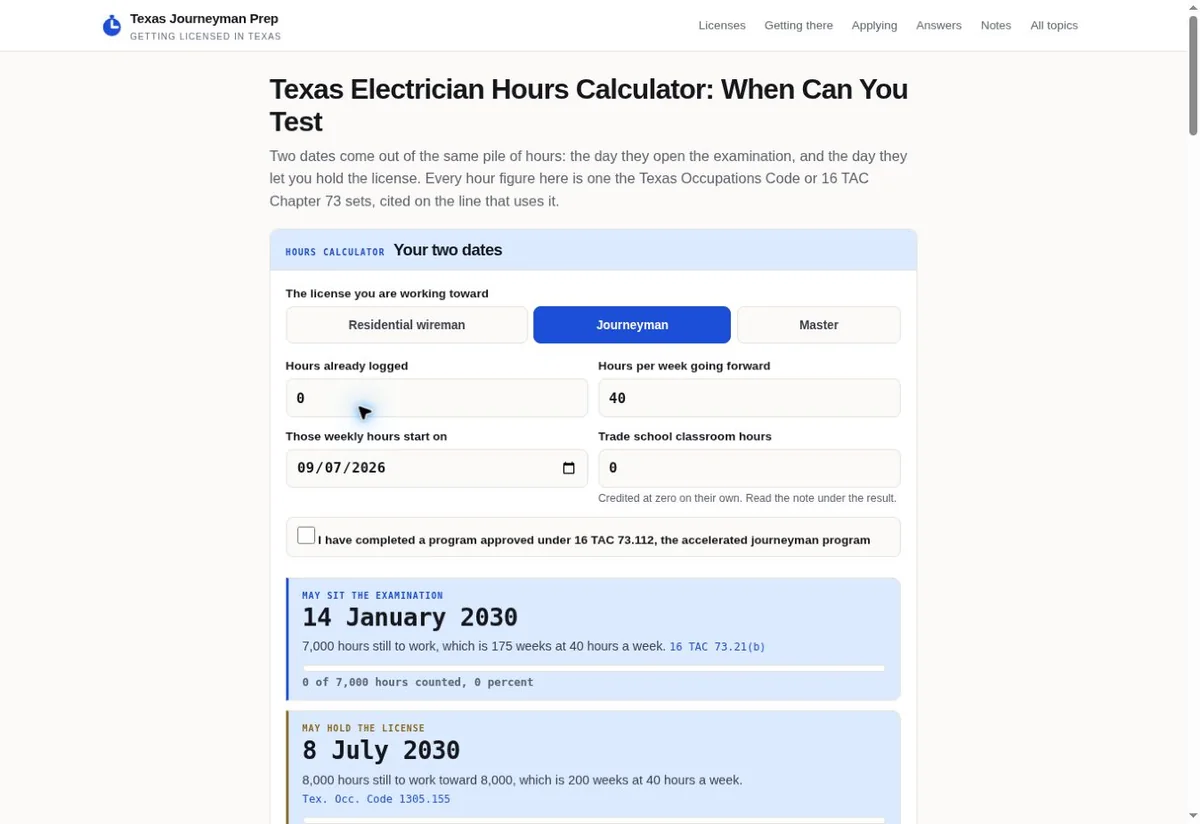
Bring your actual inquiry counts if you have them. State which period they cover and how your team defined a qualifying request. Keep a hoped-for future result in its own column. We can then discuss spending without presenting that assumption as a record of delivered restoration leads.
The website total describes what you purchase. Your business results depend on the received requests and what your staff does with them. We can use the membership comparison to examine the buying choices while keeping your own operating figures visible.
Talk through your Plano allocation with Jeff
Bring your company name and the places where you want to accept restoration requests. Tell us who answers and which incidents fit the business. You can arrive with a preferred plan or ask us to compare the choices with you.
You can discuss the starting options with us without paying for the first strategy call. Our reply target is five minutes during business hours. We check your intended market and explain the next buying decision. Sending the inquiry requests that conversation; staff still needs to confirm a suitable time.
Sources & further reading
YOUR NEXT MOVE