Need help?Jamie

Garrison microsite software

Garrison Atlanta Window Replacement Microsites for Installer Leads

You replace windows across Atlanta, and too many homeowners in older neighborhoods call you only after they've settled on a style somewhere else.

Trojan builds Garrison window replacement microsites for installers in Atlanta, Georgia: a branded site for each neighborhood you work, taking a homeowner from "these old windows sweat every winter" to a booked in-home visit with your team. It's for the installer tired of splitting quote requests with other shops. Midtown even runs its own zoning overlay, SPI-16, on top of the citywide code.

Powered by Garrison, Trojan’s microsite software. Useful branded websites and direct inquiries for the markets your team serves.

Bring a few photos of installs you're allowed to show. The first strategy call is free, and during business hours we aim to reply within five minutes.

  • A site for each Atlanta neighborhood you install in
  • Historic district pages your team approves
  • Quote requests sent to whoever books in-home visits

Jeff Clerisier founded Trojan in March 2018, and more than 1,400 of its websites are live. A local Indianapolis-area business we work with had its Google Business Profile viewed 7,860 times in August 2026, up 92.3% on August 2025, and we'd put that same local search work behind every neighborhood site an Atlanta window installer gets from us.

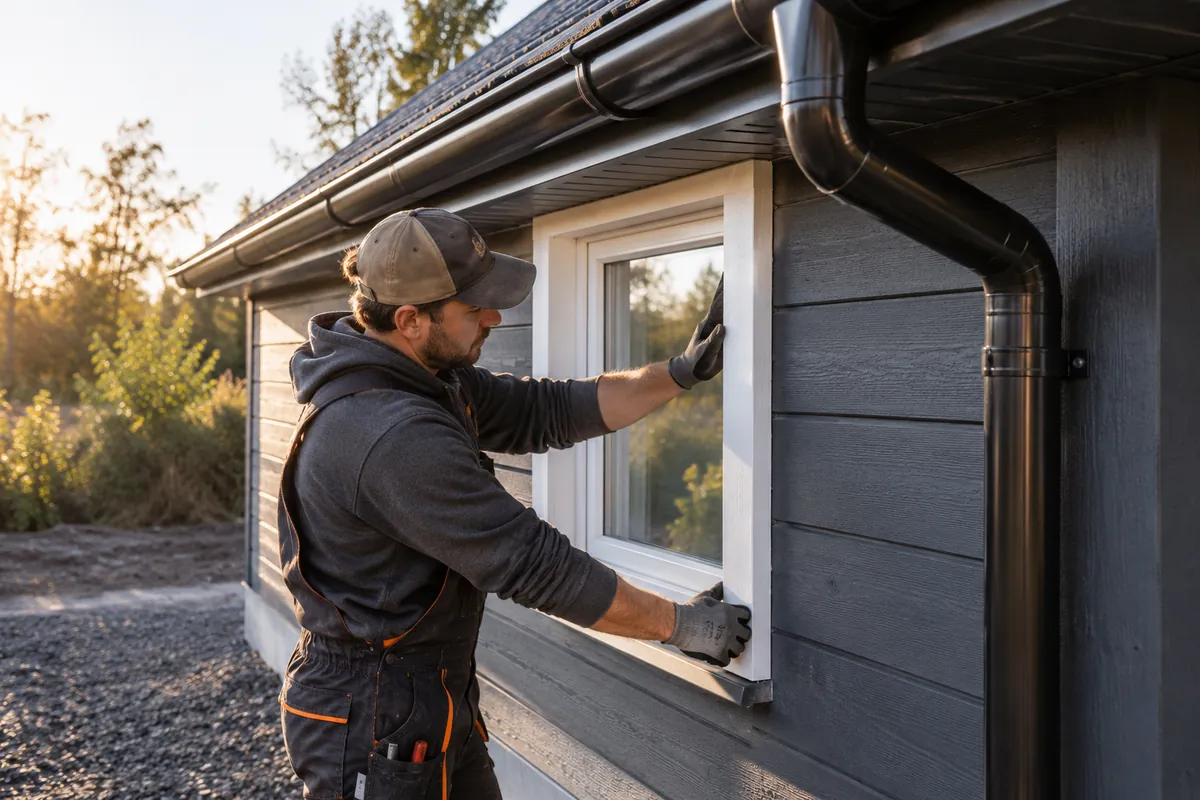
Illustrative business scene: contractor fitting a window frame beneath exterior gutters
IllustrationProposed window replacement site networkBranded resources for areas of this market, each sending inquiries straight to your team. The sites shown are a proposed plan and aren’t live.PROPOSED SITE NETWORKMidtownBuckheadDowntownOld FourthWardWestMidtownYOUR TEAM

BEFORE ANOTHER DOMAIN

Does a microsite fit?

A microsite fits only when it has a clear job and someone to keep it useful, so check what your business already has.

Select the foundations you have in place to explore a practical starting point.

Discuss my lead strategyExplore work on your main website

SEE HOW THE PIECES CONNECT

Explore the decisions
behind the plan.

THE TROJAN SYSTEMOWNERSHIP
Your brand connected to the lead journeyDiscoveryYour pagesInquiriesFollow upYOUR BRAND
  1. Discovery through your branded pages
  2. Inquiries reach your business
  3. Your team follows up
Your brand connected to the lead journey

Trojan Digital Marketing builds window replacement microsites for installation companies serving approved Atlanta areas. We connect useful product research with a branded consultation route and business controlled assets. The installer supplies the products, assessment process and installation service.

Questions about window replacement microsites in Atlanta, Georgia

What does an Atlanta window replacement microsite network cost?

Window networks are priced after the free strategy call. Trojan's published per lead rates are set for roofing and water restoration, so a window installer's price depends on how many Atlanta neighborhoods you want covered and how your in-home visits get booked. The call is free, and during business hours we aim to reply within five minutes.

Do Atlanta historic homes need approval before new windows go in?

If the house is a designated historic property, expect a review first. The City of Atlanta says the scope of exterior work on a designated historic property decides which Certificate of Appropriateness it needs, and whether the Urban Design Commission holds a public hearing or Historic Preservation Studio staff can review it. We'd have your sites tell owners to check before ordering, in words your team approves.

Why would Inman Park get its own window site?

Because its homeowners ask different questions. The New Georgia Encyclopedia calls Inman Park Atlanta's first planned suburb and one of the city's first in-town neighborhoods to undergo extensive restoration, and the city code gives it a chapter of its own, 20L. A dedicated page lets you speak to owners who care how new windows look from the street.

What can you show an Atlanta window installer before signing?

Not an Atlanta count, because no Atlanta window network has launched yet, and we'd rather show nothing than borrow one. What you can check is Jeff Clerisier's web work going back to 2016 and the more than 1,400 Trojan websites live today. Once your sites go live, reporting shows each neighborhood's quote requests on its own, so the first real numbers are yours.

Will the sites promise lower energy bills?

No. A general page can't know a particular house, so we write about the products and ratings you actually install and leave savings talk for the in-home visit, where your estimator can look at the frames. We also skip manufacturer badges unless you hold the program and can show us.

Which Atlanta neighborhoods can the network cover?

The ones where you already install, one site each. That could mean a Buckhead site for the 30305 ZIP around the Atlanta History Center on West Paces Ferry Road and a Midtown site for owners inside the SPI-16 overlay. We work from Indianapolis and build Atlanta networks remotely, so the map comes straight from your job list.

Which Atlanta details should a window replacement microsite use?

Window replacement microsites in Atlanta should speak to household budgets and district rules, so each fact below names its source, from Data USA to the Atlanta History Center.

  • Data USA's profile of Atlanta, built on American Community Survey data, lists a median household income of 85,652 dollars for 2024, up from 81,938 dollars for 2023, across about 236,000 households.

    Financing and product tier pages pitched at what Atlanta households can plan for, in your own price terms.

    Data USA profile of Atlanta, GA (American Community Survey data)Checked September 25, 2026
  • Midtown has its own zoning overlay, SPI-16 (Chapter 16-18P of the city code), with three subareas: Midtown Mixed Use, Midtown Residential and Juniper East. Midtown Alliance runs a development review committee.

    A Midtown site reminds owners the district has rules beyond the citywide code before any exterior change.

    Midtown Alliance, 'Development Review' and SPI-16 zoning update posts; Atlanta Code Chapter 16-18PChecked September 25, 2026
  • The Atlanta History Center, founded in 1926, is at 130 West Paces Ferry Road NW, Atlanta, GA 30305. Its 33-acre grounds include the Swan House, finished in 1928 for Edward and Emily Inman.

    A Buckhead site can name the 30305 ZIP and a landmark neighbors know.

    Atlanta History Center, 'Atlanta History Center Buckhead'Checked September 25, 2026

From the research file checked on September 25, 2026, through search results only. Data USA and other sources disagree on the 2024 income figure, so a page quotes it with the Data USA name and year beside it.

How does an Atlanta window replacement network get built?

An Atlanta window replacement network starts from the neighborhoods you already work, and we route every quote request to the person on your team who books in-home visits.

  1. Map your neighborhoodsWe start from the Atlanta neighborhoods where your installers already work, for example Buckhead in the 30305 ZIP, Midtown inside the SPI-16 overlay, Inman Park and Old Fourth Ward, and each one gets its own Garrison site.Together
  2. Share the products you installWe ask for the window lines and glass options you really carry, so no page names something your crew can't supply.Your team
  3. Flag historic streetsWe add a review note to sites covering designated districts, telling owners to check the Certificate of Appropriateness step before they order.Trojan
  4. Test the quote formWe send a test request, and it confirms the form lands with the person who books in-home visits.Before launchTrojan

Build a microsite with a defined business purpose

The project should produce a product and inquiry architecture that the consultation coordinator can review together. A product page is not complete if the contact form loses the selected reference. Likewise, an easy form does not replace the evidence a homeowner needs to understand what the installer actually offers.

Illustrative Atlanta planning scenario

Connect an observation to a decisionEventRecordMeaningDecisionCheck definitions at every step
Event → record
Define the event and check the record.
Meaning → decision
Review the business meaning before acting.
Connect an observation to a decisionDefine the event, check the record, review its business meaning and choose the next action.

Consider a proposed Atlanta window resource for an installer that wants to distinguish product research from an appointment request. Its main site has an image gallery but limited explanations of the options it actually installs. Trojan would review whether a better product section is sufficient or whether a focused microsite has a distinct, maintainable purpose.

Read more

A justified resource would identify the installer, explain supported product families and link to approved specifications. A homeowner could compare relevant options, read how the consultation works and carry a product reference into the request. The form would accept a broad project description without requiring final measurements. The confirmation would explain staff review and would not reserve products or an installation date. A paid campaign could direct a specific product interest to the relevant page while organic guides answer useful research questions. The installer would retain control of the domain, inquiry history and approved content under the agreed ownership terms. Expansion would follow evidence of useful customer decisions, not a fixed domain count.

Compare the choices before implementation

Option or situationDecision to makePractical implication
Product research
Compare verified options
Approved product resource
Consultation interest
Preserve the selected reference
Direct installer inquiry
Channel development
Combine organic content and paid traffic deliberately
Maintain separate source records

Ownership is part of the product

The proposed delivery plan should preserve this responsibility. Window replacement asset ownership should include the product content and the right to keep using it when supplier relationships change. The company needs clear control of the domain, hosting, analytics and consultation records. Manufacturer photographs or specification documents may have different usage terms from the installer’s own project images. The agreement should state what can be retained, edited or transferred and how a discontinued product is handled. Trojan would also identify ownership of the phone and form routes so a customer’s product reference is preserved in the company’s records rather than trapped in a vendor dashboard.

Plan a useful content hierarchy

Map questions to the right pageQuestionFitProofNextService AService BService C
Service A
Planned coverage: fit and next step.
Service B
Planned coverage: proof and next step.
Service C
Planned coverage: fit and proof.
Map questions to the right pageAn editorial planning example pairs a service with a buyer need. Filled cells identify planned coverage, not performance.

For this microsite service, the buyer journey is the organizing principle. The window resource should help a homeowner move from a product question to a consultation. A primary replacement page explains the installer’s role and process. Product family pages can compare verified options, while a preparation guide explains what information is useful before an appointment. Documented projects provide context without implying that every home can use the pictured configuration. An installation process page should state the company’s actual responsibilities. The hierarchy must connect these decisions in a browsable way; an isolated domain that merely repeats the main site’s product gallery adds little practical value.

Qualify and route the inquiry directly

The implementation should show how the consultation coordinator receives useful context. A consultation request can preserve the product family, property location and broad project description. The homeowner should be able to say they are still comparing options. Initial contact should not require precise measurements that the installer needs to verify later. Confirmation must distinguish a received request from an appointment, order or installation commitment. The coordinator should receive the product reference and the next question the homeowner wants to resolve.

A product photograph or inquiry cannot establish final measurements, availability, energy savings or an installation quotation. This boundary matters when the visitor is a homeowner comparing window replacement options.

Use genuine Atlanta coverage

The Buckhead CID describes investment in its commercial core and public realm.

The local source gives commercial context, not proof of demand for window replacement work. Coverage must come from the window installation company. The proposed service plan should identify the properties and work the company actually accepts without inventing local offices, customer relationships or neighborhood conditions.

Organic discovery and paid traffic serve different roles

For the window installation company, the channel mix is part of the proposed delivery scope. A window resource can support organic research while also receiving paid traffic for a specific product interest. The page and campaign should describe the same installer and offer. Purchasing leads from another provider is a separate choice involving its generation and delivery terms. Trojan would preserve the source while evaluating the consultation context each route provides. Owned product content can become more useful as it is improved and maintained, but product changes, search behavior and the installer’s actual capacity affect the outcome. Compounding inquiries remain a conditional strategy goal rather than a property of owning a domain.

Assign maintenance before expanding the network

The microsite handoff must account for ongoing upkeep. Window content needs maintenance when products, specifications, supplier permissions or appointment procedures change. Claimed performance characteristics must remain attached to the applicable approved source and configuration. A discontinued range may need an alternatives explanation instead of a silent substitution. The company should assign someone to review product links and public availability language so an older search visitor reaches information that is still useful.

Measure suitable conversations and project fit

The delivery review should use the same practical business definitions. Evaluate window inquiries by the product interest, property fit and the consultation decision they support. A guide visitor researching materials is at a different stage from a homeowner asking for an appointment. Track those routes distinctly before reviewing accepted consultations and later sales records. A campaign source can help explain where contact began, but comparison shopping and other interactions may also influence the eventual decision.

Bring the evidence your team can approve

The starting material is approved product information, installation scope, genuine project evidence, coverage decisions, consultation questions and the current process for confirming an appointment. A useful example is a product and project comparison tied to approved specifications and the installer’s documented contribution. Trojan can organize the material and identify missing explanations, while the consultation coordinator confirms the actual process. For the service discussion, the approved scope needs to cover the products, installation services, property types and consultation process the company genuinely offers.

Scope the first useful resource

Trojan would start with the strongest supported product family and the consultation handoff. Ownership, source specifications and update responsibility would be documented before further pages are commissioned. The installer’s real service territory determines the Atlanta coverage language.

Trojan would turn the approved brief into content, design, routing and measurement work that can be reviewed before launch. The company should know who owns each account and who approves each public claim. The scope discussion also determines whether a main website improvement should come first. The discussion should use a window replacement consultation request as a concrete customer action, with responsibilities appropriate to the window installation company.

Sources & further reading

YOUR NEXT MOVE

Make the next step count.

The yard sign after an install, and the neighborhood site it points to

A finished job with a sign on the lawn is free advertising on a street full of houses just like it. Pointing that sign at the right neighborhood site closes the loop.

  1. Print a short web address The sign shows the neighborhood site's address, short enough to remember from a car window. No long links and no codes to squint at.
  2. Give sign readers their own page A page that starts with saw our sign on your street, then shows that job with the homeowner's okay: before, after and which windows went in.
  3. Plant it on the lawn, well back from the curb Your crew places the sign on the customer's yard, clear of the strip the city treats as right of way.
  4. Ask before any photo goes up Some homeowners love showing off new windows. Others don't want their house online at all. The page waits for a yes.
  5. Pull the sign when you said you would A faded sign left up for months makes your company look forgetful. Agree on a date with the homeowner and keep it.

Neighbors notice new windows. They see the crew, the ladders and the stack of old sashes by the curb. A week later, somebody walks the dog past the house and wonders what it cost. The sign gives them a name. The neighborhood site gives them a reason to call you instead of searching from scratch.

We'd track sign readers separately from everyone else, so you can see which streets react. If one sign on a block of 1920s bungalows brings three requests, you know where the next round of door hangers belongs. It's old-fashioned marketing, wired to a site that carries your name instead of a lead seller's.

Do job signs need the city's okay?
We won't guess at that for you. Ask your office or the city about signs. Our part is the web side: we build the sign page, keep it current and show you which streets it hears from.
What if a neighbor calls about a house we did years ago?
Even better. We'd add a line to the sign page inviting older customers' neighbors to ask about that job, and your team can pull the old file before calling back.

Book in-home visits on one side of the Downtown Connector per afternoon

Every quote request turns into a drive for your estimator. Grouping visits by part of town keeps them measuring windows instead of staring at brake lights.

A hypothetical estimator's week, sorted so no afternoon crosses town twice
DayAreaSites that feed it
MondayEast of DowntownOld Fourth Ward and streets near the Eastside Trail
TuesdayBuckheadBuckhead neighborhood sites
WednesdayWest MidtownWest Midtown, including the Marietta Street Artery
ThursdayMidtownMidtown sites, including the blocks near Piedmont Park
FridayAnywhereRe-measures, callbacks and the odd request that didn't fit

An estimator who zigzags across the Connector three times in one afternoon sees two homes instead of four. The neighborhood sites can help fix that. When a request comes in from the Old Fourth Ward site, your scheduler already knows which day that part of town gets visits, and can offer those slots first.

The site itself can say it plainly: we book visits in your area on certain weekdays, pick the one that suits you. Homeowners like knowing the plan. Your estimator likes eating lunch somewhere other than the truck. We only put a schedule line on a site when your office really runs that way.

City limits, county lines and the Buckhead question on a window site

Addresses around Atlanta cross county lines and city lines in ways that trip up service area copy. Getting them right is a small detail homeowners do notice.

Is Buckhead its own city now?
No. Buckhead is still part of Atlanta, so a Buckhead site should never call it a separate city or hint at different city rules.
What about jobs outside the city limits?
Name the actual town or county. Stretching the word Atlanta over the whole metro makes a neighborhood site sound like it was written from far away.
Which permit office should a page mention?
The one your office really deals with for that address. We ask you instead of guessing, and if the answer is it depends, the page says your team sorts it out during the visit.

Getting place names right keeps a sharp-eyed homeowner from rolling their eyes at your site. People who've lived on the east side for twenty years know exactly which county sends their tax bill. A site that gets it wrong feels like it came from a call center in another state.

We keep a short fact list for each neighborhood site: city or not, which county and the permit office your team names. It's dull work, and we do it once, with you checking our homework. After that, every page on the site speaks about the place the way a neighbor would.

A fridge-door checklist to fill in before the estimator rings the bell

Homeowners who jot down a few notes before the visit get a quicker, clearer quote. A printable checklist on every neighborhood site does that prep for you.

  • The rooms that bother you most, and in which season
  • Windows that stick, won't open or got painted shut years ago
  • Fog or haze trapped between the panes
  • Drafts you can feel with the back of your hand
  • Street or train noise you'd like to hear less of
  • Rooms that bake in the afternoon sun
  • Whether a condo board or neighborhood rules need to approve changes
  • A rough budget you'd feel good about, even if it's a wide range
Hypothetical example The quote request form on an Atlanta neighborhood site, before and after a rewrite

Before

  • Name. Email. Message.
  • Submit

After

  • About how many windows are you thinking about? A guess is fine.
  • Which rooms bother you most, and is it drafts, fog, noise or looks?
  • Which afternoon suits a visit? We book your part of town on set days.
  • Add a photo of one window if you like. It helps us bring the right samples.

The old form makes the homeowner write an essay or nothing at all. Most pick nothing, type call me and hit submit. The new one takes the same forty seconds and hands your estimator a head start. They walk in knowing it's the sunroom and the two bedrooms, and that fog between the panes is the complaint.

The checklist does the same job for people who'd rather print than type. Stick it on the fridge, fill it in over a week and hand it over at the door. A homeowner who did the homework tends to feel invested in the visit, and the quote conversation gets shorter and friendlier.

Which loft window jobs your crew takes in old Westside warehouses

Some Atlanta homes sit inside old factories and warehouses. Their windows can be a very different job, so each loft page should say plainly which ones your crew takes on.

A loft window might be a tall steel-framed opening that a factory crew set long ago. That's a long way from swapping a vinyl double-hung in a ranch house. Some installers love that work and carry the product for it, while others would rather pass. Either answer is fine, as long as the loft page says it before an owner books a visit.

We'd write each loft page from one real job, with the owner's okay, and we'd name the building only if they're happy for us to. If your crew hasn't finished a loft yet, we'd leave the page off until it has. Our aim is a page a loft owner reads and thinks, these people have been inside a building like mine.

Loft window jobs, and what the page says about each
JobQuestion for your crewWhat the loft page says
One operable window in a single unitDo you carry a line that fits the opening?Yes with photos from a loft job, or a kind no if you don't
A wall of original factory sashIs this restoration or replacement, and do you do either?Only the version of this work your crew really does
Windows above the second floorDoes the job need a lift, and do you have one?Which floors your crew can reach, in plain words
Windows the building controlsWho has to say yes before anyone measures?Check with the building first, then call us
Is a loft page worth it if we rarely do lofts?
Skip it until you've done a few. A page about work you rarely take invites calls you'll end up turning away.
What photos does a loft page need?
The opening before and after, shot from inside so the height reads. Add one from the street if the building is fine with it, since loft owners love seeing their own facade.

Landmarks belong on a neighborhood site only when your crew knows them

Sprinkling famous place names on a page doesn't make it local. Mentioning the block your crew worked on last month does, and search engines can tell the difference.

Local details a neighborhood site can use, and the condition attached to each
SiteDetail that could fitOnly if
Old Fourth WardThe Beltline's Eastside Trail, which links it to Midtown and Inman ParkYour crew has finished jobs near the trail
MidtownPiedmont Park, between Piedmont Avenue and Monroe DriveYou can show a job within a few blocks of it
West MidtownThe Marietta Street Artery, the neighborhood once called BellwoodYou've really installed there, beyond driving past
BuckheadStreets your estimators know by nameThe homeowners there agreed to be mentioned

The pattern Google warns about is easy to fall into. Take one page, swap the neighborhood name twenty times, add a famous park and publish. It feels productive and helps nobody. A reader in Old Fourth Ward learns nothing about your work from a sentence about the Eastside Trail unless your crew has actually hauled glass past it.

Use a landmark the way you'd use salt, a pinch and only when the dish needs it. We'd rather leave one out than stretch it. The meat of each neighborhood site is your own jobs there, the questions those homeowners asked and the window styles your crew keeps seeing on those streets. The landmark just helps a reader recognize their own corner of the city.

Follow one quote request from the first click to the last caulk line

Page views don't pay installers. Tracking each request through the visit, the quote and the install shows which neighborhood sites bring in real work.

  1. Log the request with its site Every call and form gets the neighborhood site it came from, written down the day it arrives.
  2. Note the visit date How many days passed between the request and your estimator's knock? Long gaps lose jobs quietly.
  3. Record the quote band No exact figures needed. A simple small, medium or large band shows which areas ask for whole-house jobs.
  4. Mark signed or lost, with a reason Price, timing, the board said no or went with someone else. Reasons tell you what to fix.
  5. Close it out after the install Did the homeowner allow a yard sign or a photo? That's the start of the next neighbor's request.

Windows are a planned purchase, so the gap between someone's first visit and their signature can stretch for months. Someone reads your fog-between-panes page in February, books a visit in April and signs in June. If nobody logged where the request came from, the site that started it all gets zero credit.

We show you the neighborhood site behind every call and form. The rest of the trail lives in your own office records, which is where it belongs. After a season, the pattern is usually plain: a couple of neighborhoods carry the network, and they've earned more pages and more of your yard signs.

What we'd ask your office for before any neighborhood site goes live

Good neighborhood sites are built from your material, and we need surprisingly little of it. Here's the short list we'd work through with you.

  • A list of neighborhoods where you've installed in the last two years
  • The window lines and glass packages you actually carry, with spec sheets
  • Photos you're allowed to publish, even rough phone shots
  • The name and number of whoever books in-home visits
  • Your answers to the five questions homeowners ask your estimators most
  • Any words or claims your suppliers don't let you use

That's it for the start. We don't need a brand book or a photo shoot. Rough phone photos of a finished bay window tell a homeowner more than a glossy stock picture ever will. We can crop and caption them so they look tidy on the page.

The last item on the list matters more than it looks. Some window makers have rules about how installers talk about their products, their ratings and their badges. We follow those rules on every site. Send the maker's guidelines along with the spec sheets, and we'll write the product pages to fit them from the start.

Blunt answers for an installer reading this between measurements

You've got questions about names, glass and who answers the phone. Plain answers follow, written for an installer with ten minutes between measurements.

Do the site names need Atlanta windows in the domain?
No. Keywords in a domain do little for search, so we pick names people can read, remember and say out loud to a neighbor.
Who answers when a homeowner calls?
Your team, under your company name. Calls go to the phone number you pick, while forms land with whoever books your in-home visits.
Does my main website change?
It stays as it is. The neighborhood sites sit beside it under your brand, each one written for a single part of town.
How do the pages talk about glass packages without drowning people in numbers?
We lead with what the homeowner will feel, like less street noise and a cooler sunroom. The spec numbers go further down, copied straight from the maker's sheet, for the readers who want them.

One more thing is worth settling early: who replies to a form that arrives on Saturday morning. If your office is closed on weekends, the thank-you note on the form can say when someone will call. A clear Monday promise beats a silent weekend, and it keeps the homeowner from filling in three more forms elsewhere.

Sources