Need help?Jamie

Garrison microsite software

Garrison Dallas Window Replacement Microsites for Owned Inquiries

You install replacement windows around Dallas, and too many of the leads you buy were already sold to the shop down the road.

Trojan builds Garrison window replacement microsites for installers in Dallas, Texas: town sites of up to 100 pages each that turn drafty windows into booked in-home quotes. It's for the installer tired of quote requests sold to three shops. Trojan is based in Indianapolis and works with businesses nationally. In landmark districts like Swiss Avenue, Dallas's first in 1973, city approval comes before the work.

Powered by Garrison, Trojan’s microsite software. Useful branded websites and direct inquiries for the markets your team serves.

Bring the towns you install in and how your in-home quote visits run. The first strategy call is free, and during business hours we aim to reply within five minutes.

  • One site per town, written for local window buyers
  • Quote requests go only to your team
  • Historic district pages that explain the city's approval step

Jeff Clerisier has built websites since his freelance work began in 2016, and a local Indianapolis-area business saw its Google Business Profile appear in 2,087 searches in August 2026, up 118.8 percent on August 2025. A Dallas window installer's town sites depend on that same kind of local search work.

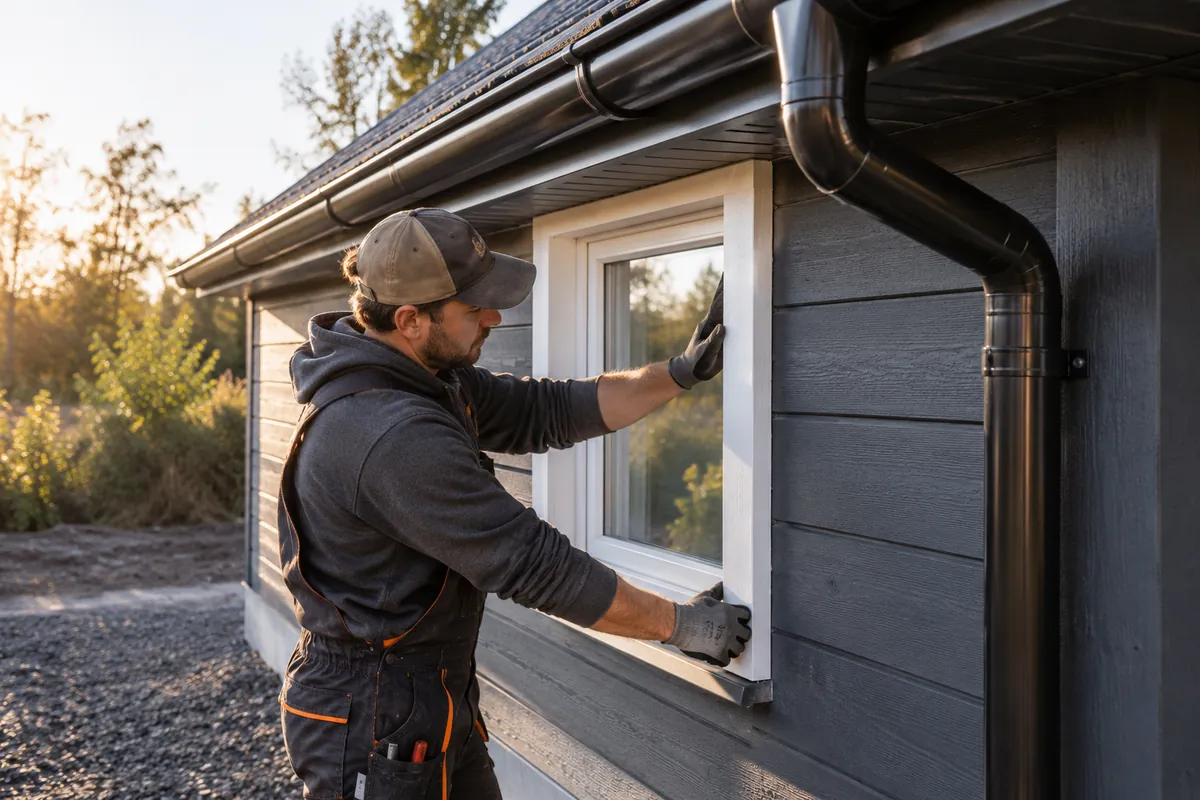
Illustrative business scene: contractor fitting a window frame beneath exterior gutters
IllustrationProposed window replacement site networkBranded resources for areas of this market, each sending inquiries straight to your team. The sites shown are a proposed plan and aren’t live.PROPOSED SITE NETWORKDallasDesign…UptownDallasDeep EllumBishop ArtsDistrictDowntownDallasYOUR TEAM

BEFORE ANOTHER DOMAIN

Does a microsite fit?

A microsite fits only when it has a clear job and someone to keep it useful, so check what your business already has.

Select the foundations you have in place to explore a practical starting point.

Discuss my lead strategyExplore work on your main website

SEE HOW THE PIECES CONNECT

Explore the decisions
behind the plan.

THE TROJAN SYSTEMOWNERSHIP
Your brand connected to the lead journeyDiscoveryYour pagesInquiriesFollow upYOUR BRAND
  1. Discovery through your branded pages
  2. Inquiries reach your business
  3. Your team follows up
Your brand connected to the lead journey

Trojan offers Dallas window replacement microsites for installers that want an owned resource around a clear consultation journey. The service combines useful product and project information with website implementation, direct inquiries and measurement. The window business approves technical claims and handles the work; Trojan supplies the marketing and content system.

Uptown Dallas: District Directory and Visitor Information supplies the broad Dallas context for this microsite service plan. Uptown Dallas presents residential life alongside retail and service businesses. The proposed window replacement example is an editorial planning application, not evidence of measured demand or a local Trojan contractor operation.

Questions about window replacement microsites in Dallas, Texas

What does a Dallas window replacement microsite network cost?

It's priced after the free strategy call, because the number of towns and pages drives the price. The per lead rates Trojan publishes today are set for roofing and water restoration, so a window network isn't priced from that table, and the call itself costs nothing.

Does a Dallas homeowner need city approval to replace windows?

It depends on the house. The City of Dallas says a same size window replacement doesn't require an energy code trade, but a home in a landmark district such as Swiss Avenue needs a Certificate of Appropriateness before work begins, and that application asks for window specs or cut sheets. Your sites can walk owners through both paths in wording your team approves.

Have window microsites produced any leads yet?

Yes, in Indiana. Our 114-site window network logged three inquiries in its first 30 days live, ending August 31, 2026. Two asked for replacements and one for an inspection. That's a small, early count from another state, so treat it as a sign the setup works. It isn't a Dallas forecast.

Who writes the pages about glass and energy ratings?

We draft them and your team signs off. Window pages only name the products and ratings you actually install, and we don't put manufacturer badges or installer credentials on a site unless you hold them and can show us. That keeps a homeowner from being promised something your crew can't deliver.

What happens after I book the strategy call?

We aim to reply within five minutes during business hours, and the call itself is free. We'll go through the towns you want covered and how your in-home quote visits run. We're based in Indianapolis, so the call happens remotely.

Can I walk away if the window sites don't work?

Yes, and the exit terms are written down before you start. Your agreement lists the domains and phone numbers included and what happens to each if you leave. Reports also show which town sites brought in requests, so you can see the quiet ones for yourself.

What should Dallas window buyers know before a quote?

Your window replacement sites should explain when Dallas gets involved, so these facts come from City of Dallas energy code, permit and historic preservation pages.

  • The City of Dallas says replacing existing windows or doors with the same size doesn't require an energy code trade.

    A plain answer for homeowners asking whether a straight swap brings extra energy code paperwork.

    City of Dallas: Residential Remodels / Renovations and the Energy CodeChecked September 27, 2026
  • The City of Dallas says a Certificate of Appropriateness must be obtained before any work can begin on a property in a landmark district.

    A historic homes page telling owners to plan for approval before a window order goes in.

    City of Dallas Historic Preservation: Landmark DistrictsChecked September 27, 2026
  • The Dallas Certificate of Appropriateness application asks for specifications or cut sheets of the proposed exterior materials, windows included.

    A quote form option that flags historic homes so your team sends product sheets with the estimate.

    City of Dallas: Certificate of Appropriateness (CA) ApplicationChecked September 27, 2026
  • Swiss Avenue became Dallas's first local landmark district when the City Council designated it in 1973.

    A historic homes page that uses Swiss Avenue as the example owners recognize when it explains landmark district approval.

    City of Dallas Historic Preservation: Swiss AvenueChecked September 27, 2026
  • Dallas's storm repair page gives the Oak Cliff Municipal Center as home to the city's development office.

    A contact line on the permits page naming the city office homeowners can ask about building paperwork.

    City of Dallas: Storm Damage Repair InformationChecked September 27, 2026

Read from City of Dallas pages and documents, last checked September 27, 2026. Your team checks each rule with the city before a site quotes it, and the pages aren't legal advice.

How do your window town sites handle different Dallas homes?

We send each Dallas homeowner down the right path on your window replacement sites, so a historic district house and a same size swap get different pages and quote questions.

What changesSame size replacementHistoric district home
What the page explains
The city doesn't require an energy code trade on a same size swap
A Certificate of Appropriateness comes before any work starts
What the quote form asks
Window count and how soon they'd like the work done
Window count plus whether the house sits in a historic district
What your team prepares
Product options and a time for the in-home visit
Product cut sheets the owner can attach to the city application
Who approves the wording
Your team, before launch
Your team, after checking current city rules

Choose a useful resource for the actual customer

The planning question is whether a focused consultation resource helps buyers make a better choice than the current website does. Trojan would review how the installer distinguishes product selection, project assessment and installation scope. The resource would explain those decisions using approved evidence and a form that preserves relevant context. A microsite would identify the window company openly and avoid presenting manufacturer language as a promise about every property. The client would decide which product information it can keep current before a content library or separate domain is proposed.

What the microsite project would include

Make account access explicitYourbusinessDomainWebsiteAnalyticsRecords
Domain and website
Document ownership and access.
Analytics and records
Define access and the handover.
Make account access explicitDomain, website, analytics and customer records need clear ownership and a workable handover.

For the window installer, Trojan would turn the approved consultation journey into a resource the business can understand and control. The scope would cover page content, design, forms and the ownership arrangement for the domain and accounts. Manufacturer imagery is not automatically owned merely because it appears on a commissioned website. We would distinguish licensed material from original work and identify the administrative access the installer receives. The handoff should explain how the site can be maintained or transferred, not simply provide a login without responsibilities.

A content hierarchy with a real purpose

The proposed window replacement resource would use the following hierarchy. Each part must provide useful information before inviting contact, and the business would approve its own service claims.

Proposed window replacement content architecture
ResourceCustomer purpose
Replacement decision overview
Explain the installer’s actual replacement offer and what is discussed during an initial consultation.
Options and project comparison
Present approved product and project information with the conditions that require installer confirmation, rather than unsupported performance claims.
Evidence and consultation form
Connect original work examples to the named window business and collect enough project context for a useful first conversation.

A proposed Dallas network planning scenario

Consider a proposed Dallas network plan for an installer that serves both individual homeowners and property representatives. The main website would retain the full company offer. A focused resource might explain how a property representative prepares a replacement consultation, including who approves the project and which information needs review. Approved product comparisons and original installation examples would support that conversation. The form would route directly to the installer, with no implied price or confirmed appointment. If the homeowner journey needs the same information and evidence, Trojan would recommend a coherent section rather than create another site merely to repeat it.

Qualify and route the inquiry directly

Keep the outcome definitions separateRelevant visitInquiryQualified leadBooked job
Relevant visit
A person reaches the page.
Inquiry
The person contacts the business.
Qualified lead
The inquiry meets the agreed rules.
Booked job
The customer chooses to proceed.
Keep the outcome definitions separateA visit is not an inquiry, and an inquiry is not a booked job. Widths are conceptual, not reported results.

The inquiry would go directly to the window business with the visitor’s selected project context. Staff would distinguish a product question from a request to discuss installation. Confirmation would acknowledge the consultation request without representing it as a quote or an approved appointment.

Read more

For window replacement consultation inquiries, the first inquiry would ask about property type, the scope of the intended project, product interests and who approves the work. Trojan would review each field with the receiving team, removing questions that belong in a later conversation. The form would preserve the visitor’s selected context and show the contractor’s identity before submission. We would test delivery, acknowledgement and recovery from an invalid entry, then document the person responsible for inquiries that need review.

Plan organic discovery and paid traffic together

Window replacement buyers may arrive through ordinary search, an advertisement or a direct recommendation. The microsite should provide a coherent consultation journey in each case. Trojan would identify the source where available and ensure campaign wording reflects the installer’s actual offer. Paid activity can direct attention to a suitable page while organic discovery develops on its own terms. The prospect of compounding inquiries depends on continued usefulness, maintenance and market response. Domain ownership alone is not a forecast of consultation volume.

Keep the resource current and operational

Review product descriptions when the installer changes its range, supplier relationships or installation offer. Update project photographs with permission and revisit consultation questions when staff repeatedly need additional information before assessing a request.

Read more

The maintenance scope for this window replacement resource would include content ownership, working contact links and the agreed platform updates. Trojan would identify the client reviewer and the person responsible for delivery checks. An approved source such as installer approved product information, original project images and the actual consultation and installation scope needs a review trigger when it changes. Keeping the website available is one responsibility; keeping the public offer accurate is another part of the ongoing plan.

Measure accepted inquiries and the path that produced them

The reporting plan would focus on qualified consultation inquiries, product interests and the proportion that the installer accepts for a useful project discussion. We would distinguish an observed visit, a submitted inquiry and an outcome confirmed by the business. The available source record would help compare organic and paid journeys, with missing information stated plainly. Staff feedback would show whether the content prepares a relevant conversation. A change log would record major site and operating changes so the review does not attribute every movement to the microsite.

Google addresses doorway abuse in its search spam policies. Google Search Central: Spam Policies. For window replacement consultation inquiries, the proposed resource and measurement plan must be assessed on their actual implementation.

Make the next decision concrete

Bring the current website, the inquiry process for window replacement consultation inquiries and the assets your business already controls. Trojan can prepare a reviewable scope around the useful resource, its ownership and the first implementation. Discuss a Dallas window replacement microsite. The national window replacement lead generation service and Dallas market hub provide the wider context.

Sources & further reading

YOUR NEXT MOVE

Make the next step count.

Same opening or a bigger one: the question that changes a Dallas window job

A same-size swap keeps Dallas energy code paperwork out of the picture. Once a homeowner wants a wider opening, the job changes, so the page should raise that question early.

Why does the size of the opening matter so much?
The city treats a straight swap lightly, and a bigger hole in the wall is a different job. Your estimator knows what resizing brings on your jobs. The page just makes sure the homeowner knows to mention it.
What should the quote form ask?
One plain question: are you keeping the same window sizes, or hoping to make any of them bigger? Not sure is a fine answer. Your estimator then knows to bring a tape and a framing question to the visit.
Should the page explain what a bigger opening involves?
Only in words your team writes or approves. A web page can't see the wall, the header over the window or the wiring nearby. It can say resizing is a bigger conversation and that your estimator will walk them through it.

We like this question because it saves everyone a wasted hour. A homeowner dreaming of one wide picture window in place of two small ones is planning a different project than someone swapping drafty units. When the site asks early, your estimator walks in knowing which talk to have. The homeowner isn't blindsided by a bigger number, and your calendar doesn't fill with visits that have to start over.

Every window photo looks alike, so shoot what changed inside the room

From the curb, a new window looks like every other new window. Inside shots showing light, the view and the trim work are what make a project page worth scrolling.

  • The view from the couch or the kitchen sink, before and after, taken from the same spot
  • A close shot of the inside trim where the new frame meets the old wall
  • The sill after cleanup, since a tidy sill says a lot about a crew
  • The old unit leaning next to the new one, for scale and a little drama
  • Someone in the family opening the new sash with one hand, with their okay
  • The room at the same hour both times, so the light comparison is fair

Window buyers shop for a feeling as much as a product. They want a room that's brighter, quieter or easier to live in. Photos that show that feeling sell harder than a spec list ever will. We'd pair each project page with a short note from your installer about anything tricky on the job, like an opening that wasn't square. It shows real craft without bragging.

How many projects should a town site show at launch?
Launch with the jobs whose inside view changed most, since the view is what sells. Two or three strong pairs shot from the same spot on the couch can carry a new town site. We add more as your crews finish jobs in that area.
Can we use the manufacturer's glossy photos?
On a product page, with permission, sure. On a project page, no. Our rule is simple: if your crew didn't install it, it doesn't sit in your gallery.

Install day questions, answered before the crew rings the bell

Homeowners worry about the day itself, from how long it takes to how messy it gets. A short install day page answers that in your crew lead's own words.

  1. The night before Clear the sills and move anything fragile a few feet back from each window. Your office confirms the arrival window, by text if that's how you work.
  2. Arrival and a quick walk The crew lead walks each opening with the homeowner and points out anything that might surprise them later in the day.
  3. Out with the old Drop cloths go down first. The page says how your crew protects floors and what happens to the old units.
  4. In with the new Describe your real order of work, such as one opening at a time, so the family knows how open the house will be.
  5. Cleanup and the final walk Your crew shows how each new window opens, locks and tilts, then checks every one with the homeowner.
  6. After the truck leaves Say what to do if a sash sticks in the first weeks and who picks up the phone when they call.
Does the homeowner need to be home all day?
You decide that, and we write it down in one clear sentence. People mostly want to know when they can run errands and when they must be back for the final walk.
What about pets?
Ask on the form whether there are pets at home. A crew lead who knows about the dog can plan which door stays shut and where the crate goes.

We'd write this page with your crew lead over a fifteen-minute call, because they know which questions homeowners really ask at the door. Then we trim it to what a person can read on a phone in two minutes. A page like this gets forwarded to spouses and roommates, so we keep it friendly and skip the sales talk entirely.

A made-up month: twenty shared leads, five of your own, and who signed

Here's a made-up month to show why raw counts mislead. Fewer requests can still mean more signed jobs when nobody else is quoting the same homes.

Hypothetical example One installer's month, split between a shared lead service and its own town sites

Before

  • Twenty shared leads arrive, each one also sent to other installers.
  • Your team reaches eleven of them, and six agree to an in-home quote.
  • Two sign, both after a price fight with other shops.

After

  • Five requests come in from your own town sites.
  • All five answer when your office calls, since they asked for you by name.
  • Four book an in-home quote, and three sign.
  • Each signed job is tagged to the page the homeowner read first.

We invented those numbers for the example, and your real split could look very different. Look at the shape they make. Shared leads look busy on a spreadsheet, and busy feels productive. Owned requests look thin until you follow them all the way to install day. That's why we'd track every request through to a signed order before anyone calls a month good or bad.

Should we drop shared leads the day our sites go live?
We wouldn't. Owned sites need time to earn visitors, and we can't tell you how long. Keep what's working while the town sites build up, then compare the two by signed jobs.
How do we compare them fairly?
Tag every request with where it came from and follow each one to a signed order or a dead end. After a season, we put the two columns side by side in your report.

HOA approval letters: the paperwork step that isn't the city's

In neighborhoods with a homeowners association, outside changes can need the board's okay first. A page that says so can save an installer from a canceled order.

Some homeowners forget the HOA until a neighbor brings it up. Frame color and grid patterns can come up in an association's rules, and so can the windows that face the street. Your site can't know any single board's rules. It can ask whether the home is in an HOA, then nudge the owner to check before the order goes in.

We'd add one line to the quote form and one short page per town site. The page says what your team can hand over for an HOA request, like product sheets and color samples, if you do that. It also says plainly who applies for the approval on your jobs. Nobody should learn at install day that a letter was missing.

Should our site list HOA rules for specific neighborhoods?
We'd steer away from that. Rules change and boards differ, and a stale rule on your site becomes your problem. We point homeowners to their own HOA and explain how your team helps with the paperwork.
What if a homeowner doesn't know whether they have an HOA?
Our page can suggest checking the closing papers or asking a neighbor. Your estimator can raise it at the visit too, so the order doesn't go in before anyone knows.

For the homeowner who wants to do the windows in stages

Some households can't replace every window at once. A page laying out sensible phases keeps them with you for the second and third rounds.

Ways a phased window project can be split, and what to say about each
Phase planWhy a homeowner picks itWhat your page should mention
Worst windows firstThe drafty or cracked ones bug them every dayHow you'll match style and color when the rest follow
One side of the house at a timeThe sunny side makes certain rooms hard to useThat grids and frame colors stay consistent from side to side
Bedrooms firstSleep and quiet matter most to the familyAny bedroom window questions your team checks for, in their words
Street side firstThey're selling soon or want curb appeal nowHow the back of the house will match when its turn comes
The whole house over two budget yearsThey want one plan with the cost split upWhether your quote holds for phase two, and for how long

A phased buyer is a patient buyer, and they're easy to lose between rounds. We'd tag them in your reports so your office can check in as phase two gets close. We'd also write a page on matching, because the quiet fear is that the second batch won't look like the first. Say what your team does to keep them the same, and show a finished house that was done in stages if you have one.

Quieter bedrooms and cooler rooms: promise only what the label backs up

Buyers often want a quieter or cooler room more than a new window. Tie every comfort claim to the ratings on the products you install, and leave percentages off the page.

  • What each product line is rated for, copied from its label
  • Which rooms your customers tend to start with, taken from your own job notes
  • What your installer does around the frame to stop drafts, in their words
  • How to read two quotes' ratings side by side
  • What the homeowner might notice afterward, written as a possibility and never as a guarantee

It's tempting to promise a silent bedroom or a lower power bill, because that's what the buyer wants to hear. The trouble comes later, when a homeowner near a busy road still hears the trucks at 5 a.m. We'd rather the page say what the product is rated for and let your installer set expectations in person, standing in the actual room.

Can we quote a customer who said the house feels quieter?
Yes, if they said it, agreed to be quoted and it's copied word for word. We put their words next to the project, never on a product page as if it's a rating.
What if a competitor's site promises big savings?
Let them. We'd rather your page be the one a careful buyer trusts after reading three others. Plain ratings and honest photos age well, and inflated promises tend to catch up with whoever made them.

What to count between a quote request and a finished install

Count requests, in-home quotes, signed orders, installs and cancellations for each town site. The gaps between those numbers show you where to fix things.

A window installer's monthly counts, and what a big drop after each one can point to
CountWhat a big drop after it can point to
RequestsSlow callbacks, or a form that didn't ask enough to book a visit
In-home quotesSticker shock, or quotes that took too long to reach the homeowner
Signed ordersWait times, payment questions or a rival's lower bid
InstallsCancellations while the order was being built
ReferralsNobody asked the happy customer after the final walk
Who marks each stage?
Your office does, in a shared sheet or whatever system you already use. We tie each request to its town site and page, and your team fills in what happened next. It takes a few seconds per job.
How long before the counts mean anything?
Longer than anyone likes. A request in one month may not reach install day until later, so we'd read the trend over a full season.

We send the counts by town site every month and talk through the biggest drop together. Some months the fix is on our side, like a form question or a clearer page. Other months it's on yours, like callbacks that slip on busy install days. Either way, we'd rather name the gap than hide it behind a traffic chart.

A spec sheet shelf on every town site, for anyone comparing quotes or filing paperwork

Post the product sheets for every line you install on one page. Paperwork filers and careful shoppers both need them, and sharing them freely earns trust.

  • One entry per product line you actually install
  • The manufacturer's current sheet, dated when your team last checked it
  • The ratings printed on the label, copied exactly
  • Color and grid options you really offer
  • A short note on which homes each line suits, in your installer's words

Many offices email these sheets one at a time whenever someone asks. Putting them on the site saves your office those emails and tells a careful shopper you've got nothing to hide. It also gives each town site real substance a competitor can't copy, because it lists what you actually sell.

What a window installer can check on us before signing anything

Before you sign, time our reply, talk through your spec sheet shelf and read the agreement's line on domains and pages. None of those checks asks you to take our word for anything.

The easiest check is our own reply time. Send a note through our contact form during business hours and see how long we take, since we aim for five minutes. Next, talk through how your spec sheet shelf would be laid out, using the product names on your own quotes. Last, read the agreement's line on domains and pages, and ask about anything it leaves fuzzy. We have no Dallas window jobs to show you yet, so these checks do the work a case study would.

Who is Trojan, in a sentence or two?
More than 1,400 sites we've built are live today. Jeff Clerisier runs it from Indianapolis. He was freelancing on websites by 2016 and opened Trojan two years later, in March 2018.
Will the sites carry our manufacturer's name?
Naming the products you install is fine, on project pages and the spec sheet shelf. We leave dealer tiers, certifications and partnership badges off window sites entirely.
What will a window network cost?
It's priced after the first call, based on how many towns and pages you want. That call is free, and it's where the price gets worked out.

Sources