GARRISON · MICROSITE SOFTWARE BY TROJAN DIGITAL MARKETING
Garrison inground pools microsites. Your brand. Your leads.
Your design calendar fills with conversations that never become a build. You need homeowners to understand your pool offer before your team books the visit.
I'm Jeff Clerisier, founder of Trojan Digital Marketing in Indianapolis, Indiana. We can scope an inground pool microsite network for US builders around the pools you actually install and the towns you serve. I start with the consultation your sales team wants to receive. Pool networks are built on request and priced after the free strategy call. We agree the website scope, customer information and inquiry destination before building.
Bring your pool options and a few recent consultation questions. The first strategy call is free, and during business hours we aim to reply within five minutes.
Explain the pool types and related work your company offers
Show approved projects with your role clearly identified
Send consultation requests through the agreed inquiry route
I've built websites since 2016 and founded our agency in March 2018. We have more than 1,400 live websites. I bring that website experience to your pool offer, service area and consultation process.
For local businesses, regional teams, and national brands. Scoped around your target markets and the work your team can deliver.
Focused websites. Direct inquiries. Your brand.
“I had a great experience working with Jeff…”
Heather DoanGoogle review
Jeff Clerisier founded Trojan Digital Marketing in March 2018.
We have more than 1,400 live websites.
Based in Indianapolis, we serve businesses across central Indiana, including Carmel, Fishers, Zionsville, Westfield, Noblesville, Greenwood, Avon and Plainfield.
We also work with clients across the United States.
That’s the owned-network offer, which includes every inquiry the sites produce, with a one time build fee and annual site renewal. Compare owned-network prices, content tiers and ownership terms. Roofing, water restoration and window treatment networks are available in eligible markets outside Indiana.
FROM SEARCH TO YOUR TEAM
A customer has a question. Your brand has a useful answer.
Which pool project fits the property and the plan? A focused microsite connects that question to evidence, clear service information, and the right next step.
01
The search
Inground pool installation · pool design consultation · new pool planning
02
The useful website
Approved pool options, project scope, property preparation and genuine design and construction examples.
03
The direct inquiry
Route new build interests, property context and planning stage to the right design or sales contact.
OWN YOUR LEAD SOURCE
Paid leads can be a channel. Your website can be an asset.
Purchased leads depend on a provider’s terms. Paid advertising can send visitors to your own website. Organic microsite lead generation works by making useful pages discoverable for relevant searches. Each approach has costs and a role; an owned microsite can support paid and organic traffic together.
Keep the project library, available options and consultation process current as the company’s build scope develops. That is the practical idea behind compounding organic growth: later improvements build on useful work already in place. It requires maintenance and does not guarantee rising lead volume or rankings.
I want the homeowner to understand what your company builds before your designer loses an afternoon on the wrong request. We can create branded pool microsites around your actual offer and service area. That might mean fiberglass installation, a custom concrete pool or another approach your company supplies. The page should explain the consultation your team can deliver.
Separate installation from pool maintenance
What I would try to settle in the first week
Once scope, access and your source material are ready, the first week can begin with these decisions. The order can change if a fact, image permission or approval is missing. We're planning the work here, without promising a launch date.
Confirm the installation offer. You identify the pool types and related work your team can deliver.
Choose a useful first territory. We use actual travel limits and service coverage when discussing the proposed sites.
Review the project material. I check whether each supplied image is approved work, a concept or another party's example.
Agree the inquiry destination. We identify the receiving person and the information the first form should carry.
Our pool network is built on request and priced after the free strategy call. I won't apply another trade's membership price to your project. The quote needs the proposed site count, content work and operating responsibilities.
First, I'll ask which calls you wish would stop reaching the design team. Cleaning, equipment repair and seasonal opening can become distractions when the page is meant to sell a new inground pool. We'll distinguish those requests using the services your business actually offers.
Then we make the installation offer specific. Tell me which pool types you build, what related work you coordinate and which property questions need a site visit. If another contractor handles decking or landscaping, we'll explain the relationship accurately. Your customer shouldn't discover a major scope difference after the inquiry.
The existing pool service marketing page addresses the broader service business. This resource focuses on the distinct design and installation lead process, rather than reusing maintenance language with a different headline.
Organize the offer around planning readiness
A homeowner may be comparing pool types without knowing the dimensions yet. Another may already have drawings and want a builder's opinion. I want the page to help both people identify the right conversation. We can explain the planning stages without pretending a website has inspected their yard.
Match the pool planning stage with the right information
Planning stage
Useful resource
Appropriate inquiry context
Exploring the idea
Useful resource
Explain the company’s actual options and consultation process
Appropriate inquiry context
Broad priorities and property location
Comparing project approaches
Useful resource
Show approved examples and scope boundaries
Appropriate inquiry context
Preferred features and decisions still open
Preparing a design conversation
Useful resource
Explain the information the builder reviews
Appropriate inquiry context
Available property context and project participants
Reviewing a proposal
Useful resource
Clarify inclusions, exclusions and the next discussion
Appropriate inquiry context
Questions about the specific written scope
I would keep feasibility, final construction cost and start dates with your actual project review. The website can explain what that review covers. It can't inspect access, verify conditions or reserve a crew from a few form answers.
Show the project scope beyond the pool image
A photograph can sell the idea of a backyard while leaving the actual proposal unclear. I'll ask what your business provides beyond the pool itself. Equipment, access planning, surrounding work and handover deserve an accurate explanation when they're part of your scope.
Separate examples of available features from a claim that everything shown is included in a standard package. If a portfolio includes landscaping, furniture or work completed by other companies, identify the pool builder's contribution accurately.
Prepare content around the questions your sales team repeatedly answers. A scope comparison can be more useful than a long feature list when it helps a homeowner understand why two proposals may not describe the same project.
Use real evidence and label design concepts
Offer
Explain what the customer can get.
Evidence
Support the offer.
Action
Make the next step easy to use.
Give each part of the page a jobThe offer, evidence and contact route should work together on a small screen.
For each project image, I want to know whose work we're showing. Your approved story should explain the customer's priorities and your company's contribution. We label a finished pool, a concept and a manufacturer example clearly. Permission and attribution belong with the material before publication.
A rendered concept should not be presented as a completed pool or as evidence of a particular customer's result. If the business has documented construction stages, those can explain the process in context without becoming a universal timeline claim.
We can organize that material so a visitor understands a specific decision, such as why the project used the chosen layout. I'll leave out a claimed project total or local result unless you can support it. A useful account of one actual scope can say plenty.
Keep planning and ownership information responsible
I would include the questions your team wants owners to ask about ongoing care and safe use. Your qualified reviewer decides which technical statements belong on the page. We direct property-specific requirements to the builder and the appropriate authority instead of guessing at local rules.
The CPSC Pool Safely program provides consumer information on pool safety. Link to appropriate public resources without presenting the microsite as a substitute for a site specific design or review. Avoid claims that a design feature makes a pool risk free.
The page should accurately explain what the company's consultation includes and which decisions remain outside that first conversation. This keeps the offer helpful while preserving the distinction between marketing guidance and the approved project plan.
Build a consultation form around the next decision
We'll agree what the office needs for the next conversation. That can include the property location, the requester's relationship to it and the pool options they're considering. Your staff decides which details matter before a design appointment. The form should make that purpose understandable.
Budget context may be useful if the business genuinely uses it to determine fit, but explain its purpose and allow the customer to say they need guidance. Do not use an arbitrary threshold to imply a complete pool can be delivered at that amount.
Keep the confirmation accurate. A request for a design conversation is not a confirmed construction slot, an approved financing decision or a final quote. The service inquiry design guide helps connect the form and the actual response process.
Use SEO and AEO to answer the buyer’s real questions
Fit
Explain the service scope.
Trust
Show supporting evidence.
Next step
Give a clear contact route.
Start with the decisionOne service can lead to different questions about fit, evidence and the next step.
I'd start content planning with a question your designer hears repeatedly. Perhaps customers don't understand what a proposal includes or what information they should bring. We can explain that decision and point to an approved project example. The service area belongs where it helps someone judge fit.
AEO and GEO work can make those questions and answers easier to understand, with consistent business facts and appropriate page structure. Rankings, AI citations and inquiry volume remain uncertain. Use inground pool lead generation and organic pool builder leads in the agency offer where they describe the owner's objective, while the customer microsite stays focused on the homeowner's project.
Connect the branded resource with an owned lead process
We agree where covered microsite requests go and which business the customer sees before submitting. Exclusive routing describes that arrangement. A homeowner can still compare other builders. I'll make the identity and next step clear without implying the website controls their buying decision.
Keep available source evidence, duplicate interactions and qualification stages clear. A long planning conversation may involve several visits, forms and calls about one pool project. Those interactions should not be reported as several new opportunities simply because they crossed multiple pages.
The branded exclusive lead standard explains the relationship between source, qualification and ownership. Organic and paid discovery can support the same resource when the report keeps their evidence and costs distinguishable.
Review the portfolio against the real planning cycle
I would review whether the published offer still matches the work your company accepts. A changed pool option, new coverage limit or retired project image needs an update. Your sales records should keep an open design conversation distinct from a completed project. We'll use those distinctions when discussing the network.
Useful content can support later conversations and future discovery, but growth is not automatic. Review the cost, quality and progression of inquiries before adding more domains. Discuss inground pool microsites with Trojan Digital Marketing using your project library and current sales process, then define the membership scope and operating responsibilities in writing.
Questions about inground pools microsites.
How much does an inground pool microsite network cost?
Inground pool networks are built on request and priced after the free strategy call. I'll need the towns, proposed site count and actual service scope. Published roofing and restoration membership terms don't establish a pool price. We agree the relevant setup and ongoing responsibilities before you choose.
Will the sites just send me people asking what a pool costs?
Some people will still be exploring. I'd make the pool types, consultation purpose and important scope limits clear before the form. We can discuss questions about property location and planning stage. Your staff still decides whether an inquiry is ready for a design visit.
What could the first week of a pool network project include?
If scope, access and source material are ready, I'd start with your actual pool offer and a first site brief. We check approved photos, service coverage and the intended inquiry destination. Missing material or approvals can move the sequence. This doesn't promise a launch date or consultations within a week.
Can the sites show renderings or pools other companies built?
Renderings can go on the sites when they're labeled as concepts and you have permission to use them. A pool another company built can't appear as your work. If your crew did the shell and someone else did the patio and landscaping, the project story says so, because a homeowner who spots the difference on a visit stops trusting everything else on the page.
What if the pool sites don't bring in consultations?
We review the available search evidence and the requests your staff receives before adding more sites. A form submission, design conversation and signed project are different stages. I won't call a quiet period a success or promise a future consultation count. Review and cancellation terms belong in the agreement.
What happens after I ask about a pool network?
Tell me the pool types you install and the towns your crews can serve. We'll discuss whether the network fits the offer, then agree the scope before building. The first strategy call is free, and during business hours we aim to reply within five minutes.
Can the sites mention fences or permits for each town?
Yes, once your team confirms what that town's building department asks for. Pool rules aren't the same everywhere, so a site states a fence height or a permit step only after you've checked it for that town. Until then, the page leaves those details for your consultation instead of guessing at them.
Understand the model. Then choose your next move.
Three connected guides explain the strategy, the lead economics, and the ongoing work behind your network.
Explore a state, then connect the right territory, content and inquiry process. Each state survey highlights example markets to compare against your real service area.
TX
YOUR NEXT MARKET Texas
Your brand at the center
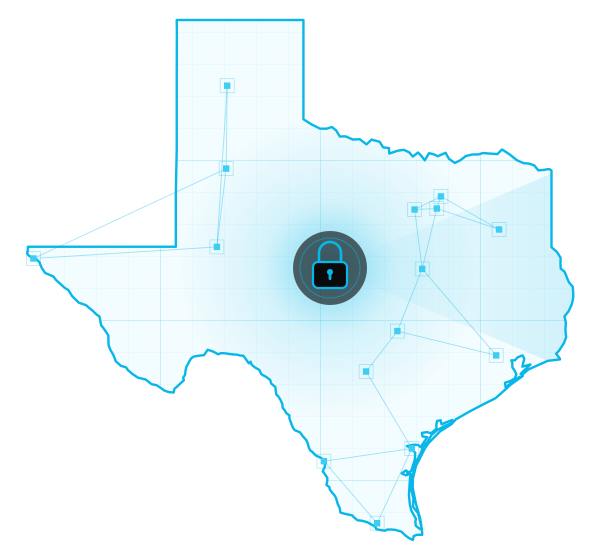
Schematic connections, not site locations. We confirm your towns and service area before planning the network.
INGROUND POOLS MICROSITES
Texas. Start with a serviceable market.
One state. Separate metro decisions.
This trade is built on request. We confirm scope and timing before you purchase.
Define the territory
Choose real service areas and available capacity.
Give each site a purpose
Approved pool options, project scope, property preparation and genuine design and construction examples.
Keep the inquiry connected
Branded pages, direct delivery, and an agreed lead definition.
A inground pools network. Built around your business.
Bring your website, target markets, and examples of the work you want to win. We will define the first useful destination, the ownership details, and the follow up plan.
The first strategy call is free, and during business hours we aim to reply within five minutes.
Give the office a reason for the next pool conversation
A pool inquiry needs an assigned next conversation before anyone starts filling a calendar. We would agree on that handoff with your office first.
I'm Jeff, and I want to know what your salesperson needs before driving across town. A name and phone number leave plenty unanswered. A long questionnaire can leave the homeowner equally stuck. We can build a shorter opening request around the few answers your office actually uses, then leave technical questions for someone who can explain them.
Your team might need to know whether the homeowner wants an initial phone discussion or has drawings ready to share. Those are different starting points. Our wording should let a person give an honest answer without pretending to know pool construction. A blank answer also needs a sensible next step inside your office.
Choose a callback owner Name the person or desk that checks new pool requests. We would ask who covers that role when they are visiting a property. An unread inbox cannot tell you whether a page brought the wrong buyers.
Write the first phone question Start with what the homeowner wants to understand. We can help distinguish a question about the building process from a request to compare a specific proposal. Your salesperson chooses what needs a longer conversation.
Record an open question Give staff a place to record what remains unknown after the call. We would keep the homeowner's own words where possible. 'Wants room for family visits' says more than a broad interested label.
Assign the next contact Finish each call with a named person and a reason to speak again. Our website wording should match that arrangement. If the homeowner hasn't agreed to another contact, the record should say that plainly.
Let homeowners say what they do not know yet
An honest unknown can help your office prepare. We should give unsure homeowners room to explain themselves before your staff sorts the request.
Pool request answers and the conversation they open
Answer received
What staff can ask next
What we should avoid assuming
Only a broad idea
Ask what prompted the search and which part feels confusing. We can make room for that answer in the callback notes.
A person without a chosen pool shape may still have a serious project. Leave their readiness open until someone speaks with them.
Drawings are available
Ask who prepared them and whether the homeowner wants to discuss that design with your company. Our form can offer a later sharing step.
Possessing drawings doesn't establish approval, ownership of the design or an agreed building plan. Your staff needs to confirm the background.
Another quote is available
Ask which parts the homeowner cannot compare. We would keep the discussion tied to their actual questions before asking for documents.
A lower number elsewhere doesn't explain the work included. Staff should read the details before making claims about another builder.
The property purchase is pending
Ask when they expect to know more and whether they want general information meanwhile. Our follow up plan can reflect that answer.
A future move doesn't make someone a current property owner. Keep permission and access questions with your builder's own process.
I don't want your team to spend the first call correcting labels a website assigned too early. We can use simple answer choices with an open text box. The staff member should be able to change the label after speaking with the person. Keep the earlier answer available so another salesperson understands why the request changed.
Our form can also explain why an answer matters. Asking for a project town helps staff check travel coverage. Asking how someone prefers to hear back helps arrange that contact. Neither question needs a long sales explanation. Clear reasons make it easier for a homeowner to share the facts they have.
Should every unknown stop the form?
I'd reserve blocking questions for facts your office truly needs to respond. We can accept uncertainty about design choices. Your team can then discuss those choices during the call without treating a missing preference as a rejected inquiry.
Can staff change the planning stage?
Yes. We would preserve the original request and add the stage learned during the conversation. That keeps the record readable when a homeowner returns after thinking about the project.
Prepare a reply for the homeowner who asks only about cost
A cost question deserves a clear explanation of what your team can price. We can help the office explain the next pricing step without guessing.
Hypothetical example A homeowner asks what a backyard pool would cost
Before
The request says only, 'Can you send me a price?' Staff sends a gallery link and marks the person as a price shopper.
A salesperson later calls without knowing what the first reply said. The homeowner thinks the company avoided the question.
After
Staff explains which details the company needs to discuss a price, using wording the builder has approved. We can place that explanation beside the inquiry.
The caller asks what the homeowner expects the project to include. Their answer becomes a note for the next conversation, with any unanswered cost questions kept visible.
The point of this example is to make the handoff less awkward. We don't know that this person can afford a project, and we don't know that they can't. Your salesperson gets to ask. Our copy should describe the builder's real pricing process and let the homeowner decide whether that process suits them.
If you provide an early range, your team needs to approve the amount and its limits. We would explain the items it covers and when it was checked. If you cannot support a number yet, say what the next conversation can clarify. A made up starting figure creates trouble for the office that answers afterward.
We can give staff a short explanation of why project details affect the discussion. The language should use your accepted work types and avoid borrowing prices from another builder.
Our reply should name the person who can discuss an estimate. A general inbox answer can acknowledge a request without pretending the office has priced the property.
We would keep financing questions separate from the building estimate. If you offer a financing option, use the provider's approved explanation and send the homeowner to its actual process.
Ask staff to save recurring cost questions in their own words. We can turn those questions into clearer page copy after your builder confirms the answer.
Protect design visit time with a shared appointment record
A design visit should have a clear purpose, an owner and a confirmed arrangement. We can make the website handoff support those details.
Separate a request from an appointment We would label the website action according to what happens next. If your office calls to arrange visits, the confirmation should say so. A preferred day entered online remains a preference until your team confirms it.
Describe the reason for the visit Your office should record which questions the salesperson expects to discuss on site. We can help carry those questions out of the original request. A homeowner shouldn't need to explain the same concern to each new person.
Confirm the people involved Ask who needs to join the conversation and how your team will reach them. We would avoid adding another person's contact details to marketing lists simply because their name appears in a project note.
Explain a change of plans Give the homeowner a direct way to cancel or ask for another time. Our confirmation copy can point to the real contact. Staff should update the existing appointment instead of creating a second open request.
I'd also ask how your office handles a missed visit. That answer belongs in the process before more requests arrive. We can keep a missed appointment distinct from a person who declined further contact. The two situations may call for different responses, and your staff should know which one they are handling.
Travel matters to the builder, but the website shouldn't turn a rough service map into a promised arrival time. Our coverage copy can explain the towns you accept. Your office then confirms the individual arrangement. If a route becomes impractical, the person handling the calendar needs a way to tell whoever maintains the page.
What if two salespeople call the same person?
We would check how assignments are shared and whether both people can see the last contact. A clear owner field may solve more than another form notification. Test the change with your staff before applying it to every request.
What if the homeowner wants a particular installation month?
Record it as their preferred timing and let your builder explain availability. We can keep that preference visible without presenting it as an accepted construction date. Any later agreement belongs with your team's actual scheduling process.
Give paused pool plans a respectful place to wait
A paused project needs a reason and a contact preference. We would keep it apart from requests that your company cannot serve.
How should we record someone who is still saving?
Ask whether they would like to return when they are ready or hear from your team at an agreed point. We can reflect that choice in the record. Staff shouldn't invent a date just to clear a task from the screen.
What if the homeowner stops replying?
Use the contact policy your company has approved. We would show the attempts already made so another salesperson doesn't unknowingly repeat them. When your team closes the request, keep a plain reason for that change.
Can an older request become active again?
Yes. We can connect the new conversation to the earlier project record. Staff should check which facts still hold before relying on them. A changed property or different requested work may need a fresh discussion.
We would distinguish a property outside your travel area from a project that is simply early. The first may need a polite decline. The second may need information or time.
Our labels should let staff record a project you do not build. If you only accept certain pool types, a request for another type shouldn't sit in the same queue as a suitable appointment.
We can retain the customer's stated reason for pausing without adding a judgment about their seriousness. Short factual notes help the next person speak to them respectfully.
Ask your team who can reopen a paused request and assign the next conversation. Our handoff should make that responsibility clear when someone returns through a different website or phone number.
This is where I'd pay attention to the language inside your office. A blunt label can shape how the next caller treats someone. We can use labels that describe what happened and leave out guesses about a person's motives. A homeowner who asks many questions may simply need an explanation your page hasn't supplied yet.
Count one pool project across its calls and forms
A report should follow each project as it moves through conversations. We would keep repeat contacts attached to the same opportunity where staff can confirm the match.
Records that explain progress in a pool sales conversation
Recorded event
What it establishes
What remains open
New website message
Someone submitted a request. We can record the originating page when that information is available.
Staff still needs to confirm the requested work, location and whether the details identify a real project.
Two way conversation
Your team spoke with the person and added what it learned. Our reporting can retain that contact date.
A conversation alone doesn't confirm a visit, an accepted estimate or a decision to hire your company.
Design visit arranged
Both sides agreed to the appointment recorded by your office. We can distinguish that from a requested day.
A future visit may still change. Staff needs to record cancellation, rescheduling or attendance when those events occur.
Proposal sent
Your company delivered the proposal recorded in its own sales system. We can connect it to the original inquiry if the records allow.
A sent document remains open until your team records what happened. Silence shouldn't automatically become a lost job.
Project accepted
Your team has recorded acceptance under its own process. Our report should use that process consistently.
Acceptance alone doesn't establish collected revenue or completed building work. Those facts need their own records.
Hypothetical example One family contacts the builder twice
Before
One homeowner sends a form on a phone. Their partner calls later from another number about the same property.
Two contact records appear, and the monthly report counts two possible projects.
After
After speaking with them, staff confirms that the requests concern one pool. We would link both conversations to that project while retaining each contact.
The report can then show one project with two contacts. It still preserves how each person reached the company.
We shouldn't merge records solely because the names look alike. Let staff confirm the connection using information your company already needs. Our aim is a report your office can explain. When a source is missing or a call cannot be matched, keep that gap visible instead of assigning credit to the microsites by default.
Use sales questions to choose the next page repair
Repeated questions can point to missing explanations. We can use staff notes to choose a specific repair before proposing more pool pages.
If callers mistake a concept image for a finished pool, we would check the nearby caption and gallery labels. Your team should confirm whose work appears and what the image actually shows.
If homeowners ask whether you accept their town, we would inspect the coverage explanation and the form. Our next change may be a clearer service boundary rather than another town page.
If people expect a full quote from an initial call, we would compare the button wording with the confirmation. Both should describe the pricing conversation your staff can actually provide.
If staff keeps explaining a term, we can replace it with the language used on the phone. Ask a person outside the pool trade to read the revised answer and explain it back.
If requests concern repairs your company doesn't offer, we would examine the surrounding headings and examples. A stray equipment photograph or unclear service label may need correction.
If a page answers the right question but still receives unsuitable requests, we would examine the entry path. Your team may need to change the ad or link that sends visitors there.
Google's published content guidance asks whether a page adds original information and leaves readers able to pursue their goal. I take that as a prompt to inspect the actual explanation. We can ask your salesperson to name the sentence that needs changing. That gives the writing a clear purpose beyond adding another search phrase.
Safety questions need care in that same editing process. We can point readers toward recognized public information and have your qualified team check project statements. A marketing page shouldn't diagnose a property's risks from a photograph. Nor should a short answer imply that a single product removes every concern around a pool.
Walk one sample inquiry through the office before launch
A sample request lets your staff check the complete handoff. We would use invented test details and label the exercise clearly.
Enter a realistic unanswered question Use a test message with a town you serve and one unresolved question about the project. We would check whether the receiving person can read it on the device they actually use at work.
Follow the first response Ask the assigned staff member to explain what they would send or say next. Our check should include the customer confirmation and the internal notice. Each should describe the same request without contradictory timing.
Move the request through a change Pretend the homeowner changes their preferred day or asks for a later callback. We can inspect whether the previous note stays attached and whether another staff member sees the updated arrangement.
Close the exercise cleanly Mark the sample as a test and keep it out of production totals. We would record any broken handoff for correction, then ask the office to try that step again before relying on it.
What should the builder bring to a marketing discussion?
Bring a blank version of the notes your office uses and a few anonymous examples of questions that slow a call. We can work with those patterns without collecting private customer documents. Your team can explain which details staff truly needs.
What if the current sales software is awkward?
I'd start by seeing whether its existing fields and notifications can handle the agreed handoff. We can discuss a change if a specific step fails. A new tool adds work for staff, so the reason should be clear.
What would make us postpone adding more town sites?
We would pause expansion if requests aren't reaching a responsible person or the office cannot explain their status. Fix that handoff first. More pages would otherwise feed the same unresolved problem and make the report harder to interpret.
The written agreement determines which parts of this work Trojan Digital Marketing will provide. Pool marketing is priced after a free strategy call. Our conversation can identify the starting problem and the people involved. I would rather discuss one broken handoff clearly than name a large site count without knowing how your office will use it.