Need help?Jamie

Garrison microsite software

Garrison Tampa Roofing Microsites for an Owned Lead Strategy

You're tired of paying for Tampa roofing leads that other roofers got the same afternoon, and you want homeowners calling your company by name.

Trojan builds Garrison roofing microsites for contractors in Tampa, Florida: a starter network of 50 branded local sites, one per town, with every call and form going straight to your office. It's for the roofer who says, "I'm tired of paying for leads that three other roofers got too." Jeff plans each network by phone, starting from the towns on your job list.

Powered by Garrison, Trojan’s microsite software. Useful branded websites and direct inquiries for the markets your team serves.

Bring a list of the Tampa neighborhoods where you'd most like your next ten roofs. The first strategy call is free, and during business hours we aim to reply within five minutes.

  • Every call and form rings your roofing office
  • Pages about the roofs your crews really install
  • Your license printed exactly as issued

I'm Jeff Clerisier. I'd been building websites for two years when I founded Trojan in March 2018, and the company now has more than 1,400 live websites. I plan every Tampa roofing network myself, so the person on your free call is the one deciding which towns get a site and which phone each one rings.

Memberships start at $399 a month for 50 microsites with every qualified lead included, or $800 for year one on the pay per lead plan.

See membership prices
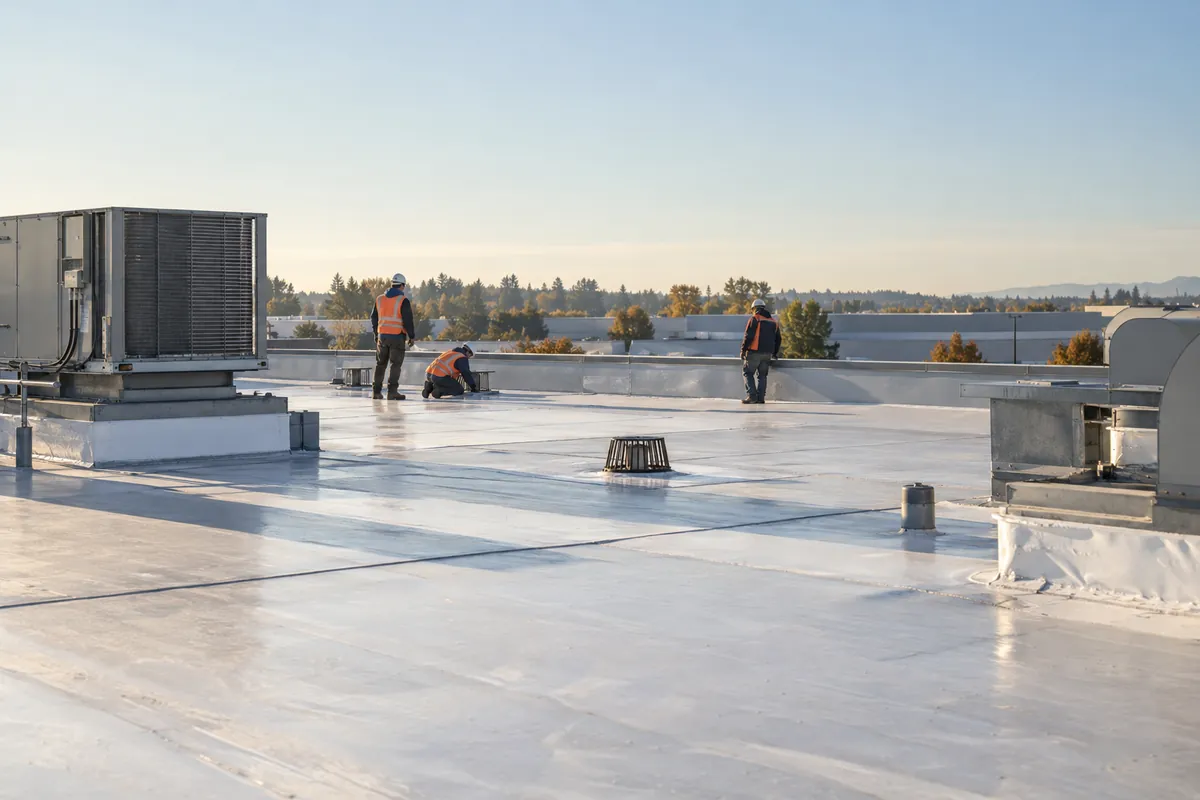
Illustrative business scene: commercial roof with rooftop equipment, illustrating roofing contractor lead generation
IllustrationProposed roofing site networkBranded resources for areas of this market, each sending inquiries straight to your team. The sites shown are a proposed plan and aren’t live.PROPOSED SITE NETWORKWestshoreDowntownYbor CityChannelDistrictWest TampaYOUR TEAM

BEFORE ANOTHER DOMAIN

Does a microsite fit?

A microsite fits only when it has a clear job and someone to keep it useful, so check what your business already has.

Select the foundations you have in place to explore a practical starting point.

Discuss my lead strategyExplore work on your main website

SEE HOW THE PIECES CONNECT

Explore the decisions
behind the plan.

THE TROJAN SYSTEMOWNERSHIP
Your brand connected to the lead journeyDiscoveryYour pagesInquiriesFollow upYOUR BRAND
  1. Discovery through your branded pages
  2. Inquiries reach your business
  3. Your team follows up
Your brand connected to the lead journey

Questions about roofing microsites in Tampa, Florida

How much does a Tampa roofing microsite network cost?

Fifty microsites on the monthly plan run $399 a month with every qualified lead included, so a month with twenty calls costs the same as a quiet one. Paying as leads arrive is the other option: $800 covers year one on the pay per lead plan, including the build and the first year of hosting, and each membership year brings a set allowance of qualified leads.

Is Trojan a roofing company?

No. Trojan is a marketing company based in Indianapolis, and it never sends anyone up a Tampa roof. Your company handles inspections and installs, and the sites carry your company name and phone number. Trojan's side is building the sites and writing their pages, then testing during onboarding that each call reaches the phone you picked.

What proof can you show a Tampa roofer?

Some, and it's general. Mike Bamosi's Google review of Trojan mentions work that "drove a noticeable uptick in leads within just a few weeks." That's one client talking about marketing in general, with no roofing or Tampa count behind it, so judge a Tampa network on your own call log once it's live.

Will my Tampa sites talk about storm damage?

Only the storm work your crews really do, described in your words. If you tarp roofs the same day, a page can say that and route those calls to whoever picks up first. Trojan won't put Tampa weather claims or storm dates on your sites until someone checks them at the source, because a wrong date would repeat on every site in the network.

Does Trojan need to come to Tampa to set this up?

No. I'm Jeff Clerisier, Trojan's owner, and I plan every roofing network on the phone, so nobody has to fly in or walk your yard. I need the Tampa-area towns where you want more roofs and the number that should ring for each kind of call. Each site covers one town or community, and we test each route during onboarding.

Can I stop if the Tampa sites don't pay off?

Yes. The first 90 days on the monthly plan are a proving window, billed each month, and after that you can end the membership with 30 days notice. I'd rather you judge the network on your own call log than on anything I say, so keep track of which calls came from the sites and which of them turned into signed roofs.

What happens between the free call and your first Tampa roofing site?

A Tampa roofing microsite network starts with your service map and your phone routing, and each step below says who handles it.

  1. Free strategy callJeff asks where your crews want more roofs and how many a month your office can take on. If a network doesn't fit your company yet, he'll say so.Together
  2. Settle the trade and marketBefore enrollment, the trade, your real service areas, the site list and what counts as a lead all get agreed, so nobody's guessing later.Together
  3. Send your brand and paperworkYour logo, your license number and any manufacturer programs you can document. Anything you can't back with paperwork stays off the sites.Your team
  4. Build and test the routesTrojan builds each site under your company name, then sets up call routing and tracking and tests both during onboarding against the numbers you chose.Trojan
  5. Proving windowOn the monthly plan, the first 90 days are billed month by month while you watch your own call log.Your team

What does a Tampa roofer hand over before the sites are written?

Tampa roofing microsites are only as accurate as what your office sends, so here's your list next to the work Trojan takes on.

  • Your license number, copied from the license itself
  • The roof types your crews install and the ones you turn down
  • The phone number that should ring for an active leak
  • Photos from finished roofs you're happy to show
  • The Tampa-area towns and neighborhoods you want on the map
  • Building and hosting every site under your company name
  • Writing local articles for each town site
  • Testing routing and tracking during onboarding
  • A fresh batch of local articles each membership year

A focused roofing website with a defined business purpose

A roofing microsite should give a customer a useful place to understand a particular offer and contact the actual provider. It is not a collection of nearly identical domains that pretend to be unrelated contractors. Trojan's Tampa roofing microsite service starts by asking whether a focused site has a distinct audience, content purpose and operating owner. If those conditions are absent, improving a page on the main website may be the more sensible scope.

The contractor performs and approves the roofing services. Trojan's role is marketing strategy, website design, content organization and inquiry workflow planning. The public identity should make that relationship clear rather than disguise who receives a customer's information.

Decide what the business will own

Make account access explicitYourbusinessDomainWebsiteAnalyticsRecords
Domain and website
Document ownership and access.
Analytics and records
Define access and the handover.
Make account access explicitDomain, website, analytics and customer records need clear ownership and a workable handover.

The scope should identify the registrant and account control for the domain, rights to the content and photographs, hosting access and the destination of inquiries. A business owner should be able to understand what remains available if the marketing relationship changes. We document these questions before discussing a network of additional sites.

Read more

Own your leads is useful framing only when the operational details support it. The website can route inquiries directly to your business, while your team controls follow up under its approved process. That does not mean every visitor becomes a lead or every lead becomes a project. Ownership concerns the asset and workflow; performance remains something to measure.

An illustrative Tampa commercial roofing plan

Westshore Alliance describes offices, hotels and other commercial activity. That is context for a proposed commercial roofing information resource, not evidence of roof conditions or a claim about an existing client network. Imagine a contractor that genuinely accepts selected commercial assessments and replacement discussions in Tampa.

Reader needUseful microsite sectionInquiry detail
Discuss an existing roof concern
Explain the contractor's actual assessment process
Property type and a description of the concern
Plan replacement work
Describe planning inputs and scope review
Project goals and the responsible contact
Review maintenance options
Explain the services actually offered
Current arrangement and requested discussion

The contractor supplies technical approval and project evidence. The page should not diagnose a roof, guarantee an inspection result or claim service availability that has not been confirmed.

Build an architecture that answers roofing decisions

A useful site could contain a clear service overview, separate explanations for the accepted project types, approved project examples and a preparation guide for an inquiry. A comparison page might explain how an assessment request differs from a replacement planning discussion. Each page needs a reason to exist and a relevant next action.

Trojan reviews whether those pages belong together on a focused domain or would work better within the established contractor website. Google's doorway guidance addresses pages made mainly to funnel similar searches. Our proposed architecture should provide a usable destination with original information, not an intermediate shell whose only function is to send everyone elsewhere.

Connect organic content and paid traffic with honest expectations

Map questions to the right pageQuestionFitProofNextService AService BService C
Service A
Planned coverage: fit and next step.
Service B
Planned coverage: proof and next step.
Service C
Planned coverage: fit and proof.
Map questions to the right pageAn editorial planning example pairs a service with a buyer need. Filled cells identify planned coverage, not performance.

Organic leads describe inquiries associated with unpaid discovery, while paid traffic describes visits purchased through advertising. A microsite may support both if the message, measurement and inquiry process are appropriate. A paid campaign does not make the domain an owned asset unless account and content control are also defined.

Read more

Compounding leads is a strategy goal, not an automatic property of a website. Useful content may continue to support discovery as it is maintained and improved, but search visibility, project demand and competition change. We plan the work around useful customer information and evaluate actual observations. The proposal should not attach a fixed lead count or a promised ranking to a collection of pages.

Qualify and route the inquiry directly

For roofing, a useful form may distinguish property type, the customer's role and whether the request concerns an existing issue or planned work. The contractor decides which details are needed at the first stage. We avoid asking a visitor to make a technical diagnosis or upload unnecessary private documents.

Read more

Trojan can plan the route to the contractor's approved inbox or customer system and test representative submissions. The confirmation should say what actually happened. A received request is not a booked assessment or a commitment to perform work. We also define an appropriate contact option when a form fails and identify who reviews inquiries when the usual staff member is unavailable.

Maintain the asset and review project fit

A roofing microsite needs an owner for service facts, project photographs, credentials and contact details. Trojan can define review triggers such as a changed service scope, a retired product offering or a revised inquiry process. Original examples should remain accurate, and outdated claims should be corrected across the site rather than left in an old article.

Read more

Measurement should distinguish search visibility, page actions, suitable inquiries and projects your team can verify. The roofing lead generation overview and Tampa ownership guide explain the evaluation questions. Bring your actual roofing offer, existing website and desired inquiry process to a scope discussion. We can assess whether a microsite has a useful role and what evidence it would need.

Sources & further reading

YOUR NEXT MOVE

Make the next step count.

Compare roofing network decisions by market.

These Florida guides compare buying a roofing network with joining a membership.

Roofing and water restoration networks serve eligible markets outside Indiana. A guide does not confirm territory availability.

Tampa's rainy season and the ceiling stains it sends your way

Tampa Bay's weather forecasters date West Central Florida's rainy season from late May into October. Build your Tampa leak and storm pages around that stretch, and have them live before it starts.

It's 3:40 on a July afternoon. The sky over the bay goes dark, rain blows sideways for twenty minutes and then the sun comes back like nothing happened. Somewhere in Carrollwood, a homeowner is staring at a brown ring spreading across the living room ceiling. They grab a phone and search for help before the drip reaches the couch.

That's the moment your Tampa roofing sites are built for. Afternoon storms like that rarely get a name, so they're easy to leave out of a page plan. They can still send a steady run of leak calls all summer. We write the leak pages, the photo guide and the short form before the season starts, then we check them again every spring so the details stay current.

July leak calls also show you where your pages work. We tag each one by town, so by fall you can see which town sites sent summer calls and which ones stayed quiet. That tells us where to add photos and project stories before the next season.

  • A leak page that tells people what to do in the next ten minutes, with your number above the form.
  • A photo guide showing ceiling stains, lifted shingles and cracked tiles from your own jobs.
  • A short form asking which room has the stain, how long it's been there and if water is still coming through.
  • A line on how your crew keeps the house dry if rain hits between tear-off and dry-in.
  • Hours that match who really answers on summer evenings.

Florida's roof advertising rules, turned into a microsite checklist

Florida limits how roofers advertise around insurance claims. Every storm page, banner and form on your Tampa network has to pass the same test a printed door hanger would.

What section 489.147 means for the pages on a Tampa roofing network
What the law coversWhat it means on a microsite
Ads that nudge a roof damage claim must state the deductible dutyAny storm page that mentions insurance carries the deductible sentence in large, readable type.
No gifts, cash or deductible deals for an inspection or a claimNo gift cards, no free roof and no deductible waivers on any site in the network.
Electronic messages count as adsWeb pages, emails and text replies get the same care as a printed flyer.
Roof contracts need a notice about these practicesYour contract is your business, and the site never says anything that contradicts it.

We'd pick boring over sorry here. A storm banner that says 'Roof inspections booking now in Brandon and Riverview' works fine without a single word about insurance. If you do want an insurance page, we write it once, your attorney reads it, and the approved version goes on every town site. It carries the 489.147 deductible line at the required size, so every site shows that sentence the same way.

We also watch the small places where ads hide. Text replies, the thank-you page after a form and the follow-up email can all count as communications. We write each one with the same care, because a cheerful auto-reply offering a gift card for an inspection would undo every careful word on the page.

The old 25 percent rule, explained for a homeowner who's heard the pitch

Since 2022, Florida has let many roofs be repaired in part without bringing the whole roof up to code. A calm page explains the change to anyone who remembers the old pitch.

What was the 25 percent rule?
Under the old rule, repairing a big share of a roof, 25 percent or more, could force the whole roofing system or roof section up to current code. The next answer covers what took its place.
What changed in 2022?
A 2022 law said that when a roof was built or replaced under the 2007 Florida Building Code or later, only the repaired section has to meet today's code. That holds even when the repair covers a big share of the roof.
What should a Tampa roofing page say now?
That your crew checks when the roof went on and explains which code applies to the repair. It shouldn't suggest that damage to part of a roof means insurance will buy a whole new one.
How does a homeowner find out when the roof went on?
Sometimes an old permit or the closing papers show the year. If neither turns it up, we point them to your estimator, who checks on the visit. Either way, knowing the year lets your team say which code applies before anyone climbs a ladder.

The Florida House's own analysis of the 2022 change noted that the 25 percent rule had been used in fraudulent claim pitches, with sellers going door to door. That history is why we treat this topic gently. A homeowner who once got burned by a pitch like that will read your page closely, looking for the catch. Give them plain facts, a link to the statute and your phone number, and let them decide.

We keep 25 percent talk off storm banners entirely. It's a detail for the estimate, where your team can look at the actual roof and its install year. On a banner, it mostly invites the wrong kind of call.

The week after a Milton-sized storm, planned day by day

When a hurricane crosses the bay, your sites need a first-week plan that's written, approved and waiting. Here's the order we'd follow on a Tampa roofing network.

  1. Day one: switch on the storm banner The banner names the towns you're covering, how to reach you and that inspections are booked in order. It's approved ahead of time, so turning it on takes minutes.
  2. Day one: put the tarp page on top People with water coming in need the tarp and leak page first. Replacement talk can wait a week.
  3. Day two: add the cancellation note Florida gives homeowners extra time to cancel roof contracts signed after a declared emergency. A short, accurate note on your contract page shows you play fair.
  4. Day three onward: sort by urgency Active leaks go to your tarp crew, and inspection requests go to the scheduler. The form asks which one it is.
  5. Week two: post honest wait times If inspections are booking ten days out, the pages say so. People can plan around an honest wait.
  6. After the rush: take the banner down Once calls settle, the banner comes down and the regular pages return. We go through the call log with you to see which towns and pages carried the load.

If a stadium roof can come apart in one night, homeowners across the bay know their own roof might have too. They start searching while the wind is still dying down, some of them on a phone at eight percent battery. A short page with a big phone number and an honest booking window is about all they can take in right then.

We also keep a short 'we're fully booked' message in the kit for the worst days. Nobody enjoys posting it, and it keeps trust intact. People who hear the truth about a wait may come back once the rush clears, and they'll remember who was straight with them.

Fifteen years: the roof age line Florida insurers have to respect

Florida insurers can't refuse or drop a home policy just because the roof is under 15 years old, and older roofs get an inspection option. Expect homeowners to bring that letter to your estimators.

It's a sticky Tuesday in June. The renewal packet lands on a kitchen table in Seminole Heights, and halfway down page two sits a paragraph about the roof. Maybe the insurer wants an inspection. Maybe it hints that the roof has to go before the policy renews. The homeowner reads it twice, sets down the iced tea and grabs a phone to find out what it means.

That search is where our roof-age page earns its keep. Here's the rule we explain on it, in words a worried homeowner can follow on a phone screen.

  • Explain the 15-year line in plain words, with a link to the statute.
  • Say that a roof 15 years or older can get an inspection by an authorized inspector, paid by the homeowner, before an insurer can require replacement.
  • Note that if that inspection shows five or more years of life left, the insurer can't refuse or drop the policy for roof age alone.
  • Say whether your team does these inspections, and only if someone on staff fits the statute's definition of an authorized inspector.
  • Send every policy question back to the homeowner's agent, kindly and every time. We never let the page play insurance agent.

What the roof-age letter caller brings, and whether it reaches your scheduler

A homeowner holding a renewal letter has a deadline, a roof age and a specific ask. The roof-age page we build on your sites can carry all three to your scheduler before anyone dials.

What a roof-age caller knows, and where it ends up
What the caller knowsThrough a bare quote formThrough your roof-age page
The renewal date on the letterLost, if the form asks only for a name, phone and ZIP code.A field on the form, so your scheduler sees the deadline first.
What the insurer asked forSqueezed into a 'describe your project' box, if anyone types it at all.A choice of inspection, repair or replacement, matched to the letter's wording.
The roof's age and typeLeft for your estimator to dig out on the callback.Asked up front, and a rough guess is welcome.
Which town they live inA ZIP code, if the form bothers to ask.Known from the town site they used, wherever tracking allows.

Renewal letters don't wait for hurricane season, so a clear roof-age page can bring planned work into the quiet months. We route its form to your inspection scheduler, apart from the leak calls, and your scheduler calls back already knowing the deadline. Garrison memberships start at 399 dollars a month for 50 microsites. If you'd rather pay as requests arrive, year one on pay per lead is 800 dollars.

Nobody can promise a count of letter holders per town site, and we won't pretend to. What we can say is how the call arrives. This caller is planning, with a date circled on the calendar. Give them a page that explains the rule, a form that respects the date and a person who calls back before it slips. Your company is then the first roofer they met, and they met you on their own. That's the call we build these sites to catch.

Tampa's dry-in inspection and the permit lines your pages need

Inside the City of Tampa, roof covering replacement has its own permit and inspections, including a dry-in check for tile roofs. A few accurate lines about that reassure careful homeowners.

  • Who pulls the permit, stated plainly.
  • That the city inspects the work, including a dry-in check on tile roofs.
  • Whether anyone needs to be home on inspection days.
  • How your crew protects the house if rain shows up between tear-off and dry-in.
  • That towns beyond Tampa's city line have separate permit offices, and your team explains those during the estimate.

We give tile a page of its own if your crews install it. The extra inspection step is worth explaining, and tile owners often ask detailed questions about underlayment, weight and repairs. A page that answers them in your crew lead's words saves your estimator a long visit.

We check every permit line against the city's current pages before launch and again each year. Permit steps change quietly, and a stale sentence copied across the network is the kind of mistake a careful homeowner spots right away.

A Tampa roofing town site, page by page

Each town site needs a small set of pages that each answer one real question. Seven or eight pages with a clear job beat thirty thin ones that repeat each other.

The pages on one Tampa roofing town site, and where their calls go
PageWhy it earns its spotWhere its calls go
Town home pageShows you work in that town, with local photos and a map of where your crews go.Your main office line
Leak helpCovers the next ten minutes for a dripping ceiling.Whoever handles repairs
Roof replacement guideExplains materials, steps and what moves the price.Your estimator
Tile roofsCovers the extra inspection step and tile repair questions.Your tile lead, if you have one
Roof age and insuranceExplains the 15-year rule and inspections in plain words.Your inspection scheduler
Storm banner and tarp pageReady for hurricane weeks and switched on only when needed.Your tarp crew
Project storiesReal jobs from that town, shown with the owner's permission.The estimator who ran the job

Every page links to the others, and each one ends with the same short form and phone number. We'd rather build a handful of pages that answer real questions than a pile that repeats itself with only the town name changed. It's kinder to the reader, and easier on the name at the top of every page.

Fifty town sites is the entry membership, which is a lot of towns. We only pick ones your crews truly serve, starting with the places your trucks already pass most weeks. If your map is smaller than fifty towns today, we'll talk honestly on the call about whether a network makes sense yet.

Do all fifty town sites get the same pages?
They share the same backbone, and each town's version carries its own photos, stories and local details from your crews. Where a town has nothing local yet, we keep its pages shorter until real jobs come in.
Can we add a metal roof page later?
Yes, if your crews install metal. It goes up once you have real metal jobs to show, so the page opens with your own photos and a job story from nearby.
Who writes the local details for each town?
We do the writing, and your crew supplies the raw material: job photos, a few notes per job and the towns they cover. A ten-minute call with a crew lead gives us more local color than an hour of web research.

Signs your current roofing site is losing Tampa calls

Before anyone builds a network, it's worth checking the website you already have. These problems quietly send Tampa homeowners to the next roofer, and most take an afternoon to fix.

  • The phone number isn't tappable on a phone, so people have to copy it by hand.
  • A storm banner from a past season is still up, with dates that no longer mean anything.
  • After 5 p.m., the only way to reach you is a form that never says when anyone will reply.
  • Every photo is a stock image, and none show a roof your crew touched.
  • The contact form asks for a dozen fields before anyone can hit send.
  • Town names appear only in the footer, so nobody can tell where you really work.

Fix those first, whatever you decide about microsites. A network sends people toward your brand, and your main site should hold up when they get there. We'd rather say that on the first call than sell you fifty town sites that point at a leaky front door.

One more quick test: search your company name on your phone and look at what comes up. If a directory or lead site using your name shows up above your own pages, homeowners may land there first. We sort that out with you before adding anything new.

None of the Tampa roofers reading this page have hired us yet, so the first call is about your map, your phones and the rules above. We'll tell you plainly if a network doesn't fit. The first strategy call costs nothing, and we try to answer inside five minutes whenever the office is staffed.

Sources