Here's the order a tree network gets built in. On the free strategy call we list the tree work you accept and the towns your crews reach. We write each site from that list, your office approves the wording, and requests route to the number and inbox you pick. After launch we read each town's search data and rebuild or replace towns that stay quiet.
Define the removal work you want to receive
Tree removal, pruning, stump work, debris handling and broader land clearing are related topics, but a company may not offer all of them. Make the accepted services clear before collecting a request. A homeowner asking about one tree and a property manager lining up work at several sites need different pages.
So we ask which of the two you want more of, which property types you take and how you'd like assessments booked. Those decisions make the page useful to customers and prevent the marketing plan from sending every tree related search to the same vague form.
The International Society of Arboriculture's consumer guidance distinguishes arborist services and emphasizes trained, equipped professionals for tree work. If someone on your crew holds an ISA arborist credential, we name that person on the page. If nobody does, we don't hint at one, and no page suggests every tree it mentions has to come down.
Separate a reported concern from a professional conclusion
A customer may report a fallen branch, visible damage, a tree close to a planned project or concern about a change in appearance. The first page can help that person describe the situation. We won't add a symptom checklist that declares a tree unsafe, because that's your assessor's call after seeing it.
Keep the content focused on what the office reviews, which professional evaluates the request and how the next step is arranged. If the company accepts urgent requests, describe real answering arrangements and limitations. Submitting a form does not mean a crew has been dispatched or that an emergency service is monitoring it.
| Request type | Information the office can review | What remains to be assessed |
|---|---|---|
| Planned removal discussion | Property location, project reason and decision stage | The tree and proposed work |
| Storm related concern | Reported situation and a safe contact method | Condition, response availability and suitable next action |
| Stump work inquiry | Location and the requested service | Access, scope and any connected work |
| Property manager request | Separate property references and the coordinating contact | Site conditions and authorized scope |
Ask for access context without asking customers to inspect hazards
Useful initial questions may include the actual project location, whether the requester owns or manages the property, the type of work being considered and any access information already known. Keep optional detail optional when the customer cannot provide it confidently.
Photographs can support the office's preparation when the business accepts them, but should never require the requester to approach a damaged tree or another hazard. Do not ask a customer to estimate technical conditions or take measurements that belong in a professional assessment.
A good confirmation explains that the company received a request for review. It identifies the next conversation and preserves the distinction between an inquiry, an assessment appointment and an approved job. The service inquiry design guide develops that handoff.
Show project evidence that explains the company’s role
A useful project account describes the reported need, the professional review, the approved scope and the work the company performed. It can show access planning or coordination in plain language without becoming an instruction manual for hazardous work.
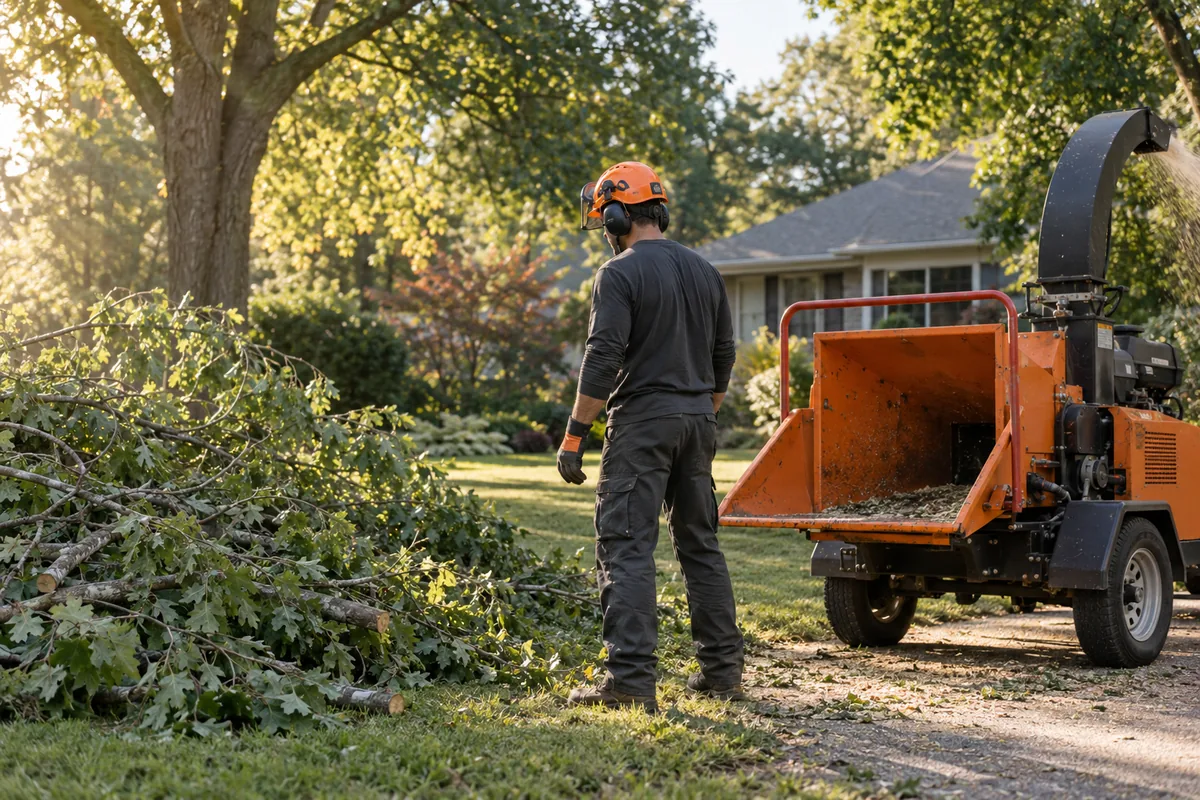
Use only authorized photographs and accurately attribute the work. A crane, climbing crew or specialized equipment in a generic image must not imply that your company owns or operates that equipment. If a partner performed part of the project, explain the relationship where it matters to the customer's decision.
Credentials should be current and attributed to the person or organization that holds them. Avoid inventing certifications, response guarantees or safety records to strengthen the page. Specific supported evidence gives a customer more to assess than a broad claim that the team handles everything.
Build SEO content around real tree service decisions
Useful topics include what an assessment request should contain, how the company separates removal from other tree work, what is included in the quoted scope and how property managers coordinate several requests. These topics connect organic searches with an informed next step.
Use tree removal leads, tree service marketing and organic tree service inquiries in the agency offer where they describe the buyer's goal. On the customer's microsite, use the service language the property owner recognizes. Keep the two audiences distinct: Trojan Digital Marketing markets the company, while the tree business performs the assessment and work.
Google recommends useful, reliable content. For this trade, value comes from an accurate service explanation and responsible project evidence, not repeating alarmist descriptions across many local domains.
Give the request a branded and exclusive route
The proposed Trojan Digital Marketing arrangement directs covered microsite inquiries to the named tree business under the agreed scope. Show that business identity before submission and carry it into the response. Exclusive handling by the provider does not stop a property owner from requesting another assessment independently.
Preserve the available discovery source, requested service and inquiry identifier. Link repeated calls or forms about the same project under the duplicate rule. A storm related period may create several interactions with one customer; those interactions do not automatically represent several new leads.
The branded exclusive lead standard explains qualification and ownership separately. Any membership or lead related commercial terms belong in the actual agreement, with a reviewable record behind the count.
Maintain the resources as the business changes
- Observe → review
- Check the page and its evidence.
- Update → recheck
- Publish the change and check the result.
Review answering arrangements, accepted services, credentials, project evidence and the customer confirmation when operations change. If the business pauses a service or changes its coverage, the page should not continue inviting unsuitable requests.
Track qualified assessments, pending requests and accepted work separately from traffic. A lower volume of well matched requests can require a different decision from a rise in general tree care questions. The portfolio guide helps identify whether the next step is clearer service content, a better handoff or a genuinely distinct resource.
Plan the portfolio around your actual capacity
Bring the current website, accepted work, real coverage, approved project material and the person responsible for reviewing requests. Identify what the office needs to decide whether an assessment conversation is appropriate.
We can organize those inputs into a resource plan, an inquiry brief and defined maintenance responsibilities. Discuss tree removal microsites as part of a scoped organic SEO membership. The objective is an understandable owned lead channel, with performance reviewed from actual evidence rather than promised inquiry volume.