Need help?Jamie

Garrison microsite software

Garrison Dallas Roofing Microsites That Send Calls Only to You

You're a Dallas roofer who's tired of splitting every lead with other crews and wants homeowners calling your number first.

Trojan Digital Marketing builds you a Garrison roofing network instead: one branded site of up to 100 pages for each town you roof in, with every call ringing your office. We're based in Indianapolis and set it up remotely, starting from the towns your crews already drive to. Each site explains when the City of Dallas wants a re-roof permit and where the city takes permit questions, at the Oak Cliff Municipal Center. Your team approves that wording first.

Powered by Garrison, the microsite software from Trojan Digital Marketing.

Bring the list of towns your crews cover. The first strategy call is free, and during business hours we aim to reply within five minutes.

  • One branded site for every town your crews roof
  • Calls and forms reach your office and aren't resold
  • Monthly plan includes every qualified lead

Jeff Clerisier started the company in March 2018 and still runs it today, with more than 1,400 of its websites live. We publish dated call counts from our own Indiana roofing network, so you can see what a young network produced before you sign.

Memberships start at $399 a month for 50 microsites with every qualified lead included, or $800 for year one on the pay per lead plan.

See membership prices
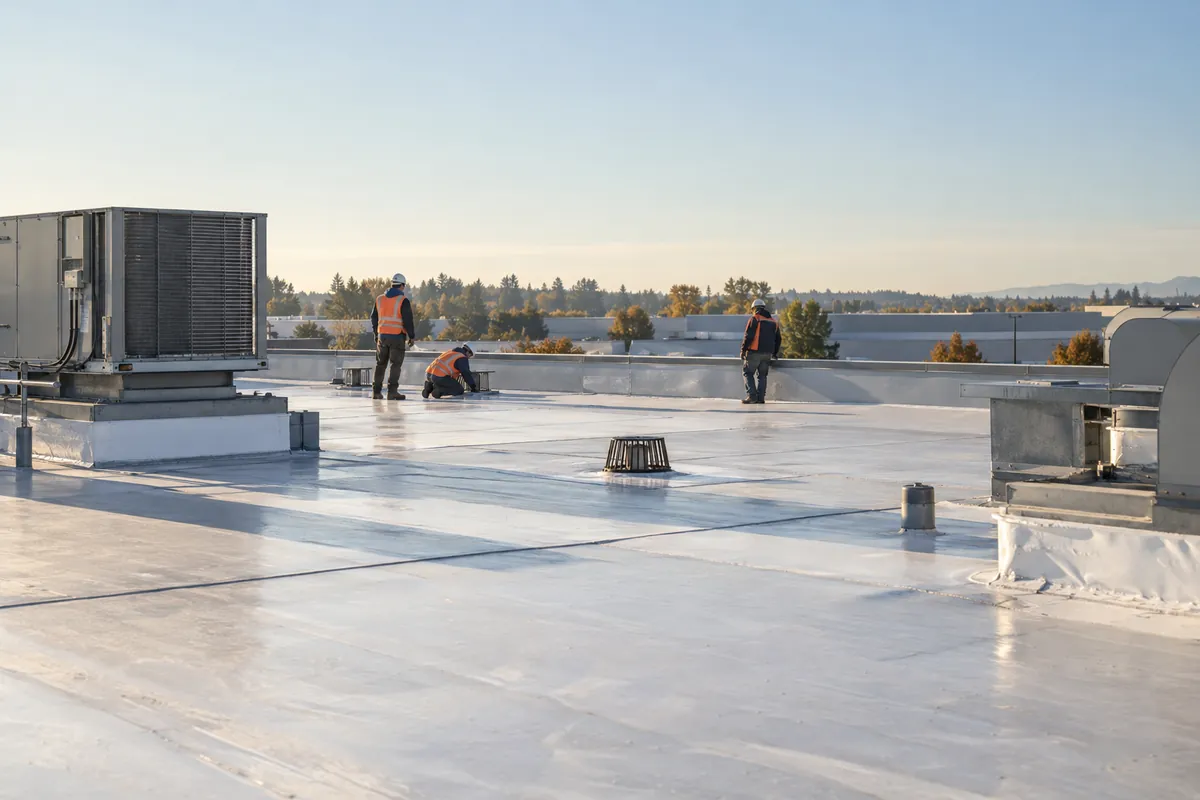
Illustrative business scene: commercial roof with rooftop equipment, illustrating roofing contractor lead generation
IllustrationProposed roofing site networkBranded resources for areas of this market, each sending inquiries straight to your team. The sites shown are a proposed plan and aren’t live.PROPOSED SITE NETWORKDallasDesign…UptownDallasDeep EllumBishop ArtsDistrictDowntownDallasYOUR TEAM

BEFORE ANOTHER DOMAIN

Does a microsite fit?

Check whether your microsite has a distinct purpose and someone responsible for keeping it useful.

Select the foundations you have in place to explore a practical starting point.

Discuss my lead strategyExplore work on your main website

See how I'd approach this

Choose a question
to look at with me.

Your brand connected to direct inquiriesDiscoveryYour pagesInquiriesFollow upYOUR BRAND
  1. Discovery through your branded pages
  2. Inquiries reach your business
  3. Your team follows up
Your brand connected to direct inquiries

We write the roofing pages for homeowners, build each site and set up the phone routing. Your company does the inspections and estimates, and you decide which jobs to take. We'd leave a town off the list if your crews can't get a tarp on a roof there the same day a storm passes.

We have no Dallas roofing clients yet, so treat the planning scenario below as a hypothetical that makes no forecast of calls.

Questions about roofing microsites in Dallas, Texas

How much does a Dallas roofing microsite network cost?

The monthly plan is $399 a month for 50 microsites with every qualified lead included, and after a 90 day proving window it runs month to month with 30 days notice. The pay per lead plan is $800 for year one with five qualified leads included, and extra qualified leads are billed at the roofing rate on our membership page.

Do Dallas homeowners need a permit to replace a roof, and will my sites say so?

Yes, the City of Dallas asks for a re-roof permit when a whole roof or a large area of it is replaced, while minor roof or vent repairs don't need one. Your sites explain that difference in plain words, and your team approves the wording first, because you're the one pulling the permit.

What has a Garrison roofing network produced so far?

From June 29 through August 31, 2026, the 200 sites in our Indiana residential roofing network logged 11 calls and form fills. The 88 later additions are outside this original inquiry cohort. Requests ran from full replacements and leak repairs to a same day tarp. Missed calls aren't in that count, and a Dallas network would start its own tally on launch day.

Will the roofing leads be mine alone?

Yes. Calls from your microsites ring your company and form requests go to your team, under your business name. We don't sell those inquiries to other roofers, and we keep one contractor per agreed trade and market. Homeowners can still collect other bids themselves, and the sites don't claim otherwise.

What happens on the first strategy call?

You tell us which jobs you'd like more of and who answers the phone when a storm rolls through. We're based in Indianapolis, so the scope talk and the routing test happen remotely, with no in-person meeting needed. Bring a rough list of the towns you want more work in.

What if the roofing sites don't bring in calls?

Some sites stay quiet, and we'd rather you hear that from us now. On the monthly plan you can stop with 30 days notice once the proving window ends. On pay per lead, each included lead the network misses becomes a renewal credit, and a year with none delivered earns a credit equal to the full renewal price.

“I had a great experience working with Jeff…”
Heather DoanGoogle review

Trojan Digital Marketing is based in Indianapolis and serves Dallas businesses remotely.

Read our Google reviews

Which Dallas permit and storm facts go on your town sites?

Your roofing town sites carry the Dallas permit rules and storm history homeowners ask about, and each fact below comes from the City of Dallas or the National Weather Service.

  • The City of Dallas requires a re-roof permit when an entire roof or large areas of it are replaced, and minor repairs to roofing or roof vents don't need a permit.

    A permit page on each town site so homeowners know what a full replacement involves before they call you.

    City of Dallas: Single Family Resident InformationChecked September 27, 2026
  • In Dallas, replacing structural members such as rafters or roof joists requires a building permit.

    An FAQ that separates a shingle replacement from structural repair, reviewed by your estimator.

    City of Dallas: Single Family Resident InformationChecked September 27, 2026
  • The National Weather Service rated the strongest damage from the October 20, 2019 North Texas tornadoes at EF3, with winds near 140 mph.

    Storm history content explaining why homeowners book wind damage inspections after a big system passes.

    National Weather Service Fort Worth: North Texas Tornadoes, October 20, 2019Checked September 27, 2026
  • The City of Dallas storm repair page sends permit questions to its development office at the Oak Cliff Municipal Center, 320 E. Jefferson Blvd.

    A re-roof permit page that shows homeowners where the city's side of the paperwork lives before your office files it.

    City of Dallas: Storm Damage Repair InformationChecked September 27, 2026

Read from City of Dallas and National Weather Service pages, last checked September 27, 2026. Your team confirms current permit rules with the city before a site repeats them.

How does a Dallas roofing microsite network get built?

We start a Dallas roofing network from the towns your crews serve. Our Indiana one logged 11 calls and form fills across the original 200 sites from June 29 to August 31, 2026, a same day tarp request among them.

  1. Map the towns you roofYou list the cities and neighborhoods your crews reach from your shop, and we match one microsite to each, up to the network size you pick.Together
  2. Brand every town siteEach site carries your company's name and logo, with room for up to 100 pages of services, local pages, pricing guides, FAQs and articles.Our team
  3. Route and test the phonesWe configure call and form routing during onboarding and test it, so a homeowner's call rings your office and a form lands with whoever books inspections.Our team
  4. Approve what homeowners readYour team checks permit wording and warranty language, since only you can say what your crews install and stand behind.Your team
  5. Review each lead before any chargeOn pay per lead, we check every flagged call or form against the written qualification and duplicate rules, and a ring alone never triggers a bill.Our team

How long does a Dallas roofing membership commit you?

On the monthly plan, your town sites start with a 90 day proving window and then run month to month, so a Dallas roofer's commitment stays short.

Typical plan

  1. Proving windowDays 1 to 90
    • Billed monthly with every qualified lead included
    • Town sites live under your roofing brand
  2. Month to monthAfter day 90
    • Stop any time with 30 days notice
    • Routing and reporting keep running while you stay
  3. Fresh local contentEvery membership year
    • A new batch of local articles on each site
    • Updated pricing guides and FAQs pushed in one release

Memberships start at $399 a month for 50 microsites with every qualified lead included.

Choose a useful resource for the actual customer

Start with the decisionYour serviceFitTrustNext stepScopeEvidenceContact
Fit
Explain the service scope.
Trust
Show supporting evidence.
Next step
Give a clear contact route.
Start with the decisionOne service can lead to different questions about fit, evidence and the next step.

The scope begins by deciding whether commercial property inquiries justify their own resource. A property manager may need to explain building use, access responsibilities and the reason for requesting an assessment before the contractor can respond usefully. Trojan Digital Marketing would review the main site and existing inquiry process before recommending a separate domain. If a microsite is justified, it would identify the roofing company openly and provide a complete planning journey. Its value would come from helping the buyer understand and contact that contractor, with evidence and maintenance responsibilities agreed before publication.

What the microsite project would include

We would scope an owned resource with the roofing business, including the content plan, page design, inquiry route and a maintainable implementation. The agreement should state who registers the domain, who controls hosting and analytics, what rights the client receives in commissioned material and how access is transferred. Approved third party images or supplier documents may have separate use conditions. The client should be able to identify the assets it controls and the ongoing services it is purchasing before the build starts.

A content hierarchy with a real purpose

The proposed roofing resource would use the following hierarchy. Each part must provide useful information before inviting contact, and the business would approve its own service claims.

Proposed roofing content architecture
ResourceCustomer purpose
Commercial assessment overview
Explain the assessment conversation, the types of projects the contractor actually accepts and the information a property manager should prepare.
Project planning library
Organize approved explanations of scope, project coordination and the questions that require contractor review, with no remote diagnosis of a roof.
Evidence and inquiry route
Connect publishable project examples with the responsible contractor and an intake that identifies the property and the person arranging the assessment.

A proposed Dallas network planning scenario

Connect an observation to a decisionEventRecordMeaningDecisionCheck definitions at every step
Event → record
Define the event and check the record.
Meaning → decision
Review the business meaning before acting.
Connect an observation to a decisionDefine the event, check the record, review its business meaning and choose the next action.

Consider a proposed Dallas network plan for a roofing contractor that already handles commercial work. The main website explains the full business, while a focused resource would help property managers prepare an assessment request. The microsite would include a commercial service overview, an owner approved project preparation guide and evidence of the contractor’s relevant work. A visitor could describe a building and request a conversation directly from the named roofing company. Paid campaigns could use the same useful destination when the offer matches. A second site would be considered only if another audience needs a materially different resource that the contractor can maintain.

Qualify and route the inquiry directly

The roofing business would receive the inquiry under its own brand. A property manager’s request would reach the team that scopes commercial work, with the selected building context preserved. An acknowledgement would confirm receipt without saying an inspection has been scheduled.

Read more

For commercial roof assessment inquiries, the first inquiry would ask about property use, project location, the reason for the inquiry and who can authorize an assessment. We would review each field with the receiving team, removing questions that belong in a later conversation. The form would preserve the visitor’s selected context and show the contractor’s identity before submission. We would test delivery, acknowledgement and recovery from an invalid entry, then document the person responsible for inquiries that need review.

Plan organic discovery and paid traffic together

Organic discovery would depend on the roofing resource earning useful visibility and helping property managers act. Paid traffic could support the same commercial offer through appropriately matched campaigns. The two routes would be recorded separately, and campaign changes would be reviewed against the assessment content. An owned site can become a durable resource when it stays useful, discoverable and maintained. Compounding inquiries is a conditional strategy goal, not an automatic property of owning another domain or publishing additional roofing pages.

Keep the resource current and operational

Review the content when the contractor changes its service scope, the person handling commercial inquiries or the project material it has permission to publish. A change in roofing products also requires a check of any public product description.

Read more

The maintenance scope for this roofing resource would include content ownership, working contact links and the agreed platform updates. We would identify the client reviewer and the person responsible for delivery checks. An approved source such as approved roofing scope, original project photographs and the contractor’s documented assessment process needs a review trigger when it changes. Keeping the website available is one responsibility; keeping the public offer accurate is another part of the ongoing plan.

Measure accepted inquiries and the path that produced them

The reporting plan would focus on accepted commercial assessment inquiries, their source pages and whether they reach a useful scoping conversation. We would distinguish an observed visit, a submitted inquiry and an outcome confirmed by the business. The available source record would help compare organic and paid journeys, with missing information stated plainly. Staff feedback would show whether the content prepares a relevant conversation. A change log would record major site and operating changes so the review does not attribute every movement to the microsite.

Google addresses doorway abuse in its search spam policies. Google Search Central: Spam Policies. For commercial roof assessment inquiries, the proposed resource and measurement plan must be assessed on their actual implementation.

Make the next decision concrete

Bring the current website, the inquiry process for commercial roof assessment inquiries and the assets your business already controls. We can prepare a reviewable scope around the useful resource, its ownership and the first implementation. Discuss a Dallas roofing microsite. The national roofing lead generation service and Dallas market hub provide the wider context.


Sources & further reading

Talk with Trojan Digital Marketing

The first six hours after a North Texas storm, planned on a sunny Tuesday

Storm nights go smoother when the plan got written on a calm afternoon. Here's how we'd set up a Dallas roofing network before the sirens, so every town site helps instead of adding noise.

  1. Name the storm phone Pick the one number every town site shows once a big system has passed. It could be your office line with overflow to a cell. We point all the sites at it and ring it together before spring.
  2. Plan for a Sunday night Big North Texas storms don't wait for office hours. Decide now who answers the storm phone when the office is dark all weekend, and who can tell us to switch on the storm notice.
  3. Keep the license answer ready After a storm, plenty of callers ask if you're licensed, since strange trucks start knocking on doors. Whoever answers should give the same short answer your sites give, word for word.
  4. Shrink the form After a storm, people type on cracked phones in dark kitchens. We cut the storm form down to name, address, phone number and a button for one photo.
  5. Take the notice down on time When the rush fades, the storm notice goes. One left up for three weeks makes a site look like nobody's home.

Nights like that one test a network of town sites hardest. Your phone lights up, the office is closed and every homeowner on the block is searching at once. If the sites say the same calm thing, point to one working number and set honest expectations, you look like the grown-up in the room. If they say three different things, you look like three different companies.

We keep storm copy boring on purpose, with nothing about free roofs, insurance payouts or countdown timers. A homeowner staring at a hole in the ceiling wants to know two things: will somebody call back, and when? Answer those plainly and the page has done its whole job.

When a shingle job turns into a rafter job, say so before the tear-off

Some roofs hide soft decking or a cracked rafter until the old layers come off. A page that explains what happens next keeps the homeowner calm when your crew finds it.

Hypothetical example The replacement page on one Dallas town site, before and after we add a paragraph about structural surprises

Before

  • We replace roofs fast. Most jobs take just one day!
  • Call now for your free quote.

After

  • Most replacements cover shingles, underlayment and flashing. Now and then we find soft decking or a cracked rafter once the old roof is off.
  • If a rafter or joist has to be replaced, that's structural work, and it needs its own permit. We stop, show you photos and explain the change first.
  • Your written quote lists the price for extra decking, so a surprise stays small.

Your estimators already have this talk at kitchen tables. The trouble is timing. When the homeowner first hears about rafters from a roofer standing in their driveway with a pry bar, it sounds like an upsell. When they read it on your site a week earlier, it sounds like a company that knows its trade.

A shared lead page can't carry this paragraph, because it isn't written by anyone who climbs roofs. Your own town sites can, in your estimator's words, with the price rule your office really uses. We draft it from a short phone call with that estimator, and nothing goes live until your team signs off.

Who pulls the structural permit, us or the homeowner?
Whatever your office really does, and we write the page from your answer. Should a homeowner ever need to sign or call the city, the page tells them in plain words.
Should the page put a number on rafter repairs?
Only if you already quote one. Most roofers price that per piece on the written quote, so the page just says the price is listed there ahead of time.

Leak tonight, storm check this week, new roof next spring

Four homeowners type four very different searches, and each one deserves its own landing page and its own callback. Lumping them together wastes your senior estimator's afternoon.

Four kinds of roofing calls a town site should sort before your phone rings
CallerWhat they typePage that answersWho calls back
Leak tonightwater coming through the bedroom ceilingA leak page with the storm phone and what to do tonightWhoever holds the repair schedule
Storm checkroof inspection after hail near meA page showing what your inspector looks at, with real photosYour inspection coordinator
Planned replacementhow much is a new roof, plus the town nameA cost factors page with no made-up priceYour sales estimator
Home saleroof check before selling my houseA short page on pre-sale roof letters, if you write themYour office manager

The sorting happens with one question on the form: what's going on with your roof? Three or four buttons, no typing. The answer decides where the alert lands. A leak lands with the person who can send a crew. A spring replacement lands with the estimator who likes long conversations about colors.

Phone calls are messier, since nobody presses a button before they dial. Your office still sees which town site the call came from. Then your receptionist asks one quick question, is water coming in right now, and the call sorts itself.

The home sale row surprises people. Buyers, sellers and their agents all end up asking about roofs, and they want a quick, clear answer about age and condition. If your team writes roof letters for sales, one page about it can keep a steady trickle of calls coming in months with no storms at all.

Texas has no state roofing license, so each site shows only what you hold

Homeowners sometimes ask a Dallas roofer for a state license number that doesn't exist. Each town site should explain that simply and show only the credentials your company really holds.

Picture a homeowner in Lake Highlands after a hailstorm, with three quotes on the counter. She searches for a Texas roofing license number and comes away confused. Your town site can clear that up in two sentences. Texas doesn't license roofers, and here's what your company does hold, with the proof to back it.

If you hold an RCAT license, the site says so and shows the number. If you don't, the site stays quiet about licenses rather than hinting at one. We'd rather a site say less than claim a badge your company can't show. Anyone who looks it up and finds a gap between the site and the truth won't call your crew again.

  • An RCAT license number, if your company holds one
  • Proof of insurance, once you send a current certificate
  • The shingle lines your crew installs, named the way the order sheet names them
  • How long your company has roofed around Dallas, taken from your own records
  • Photos of finished roofs from the area the site covers, with house numbers left out

Six boxes on a call ticket show which town sites pull their weight

Counting rings tells you little. Following each call to an inspection and then a signed contract shows which towns deserve more pages and which can wait.

The call ticket we'd ask your office to fill in for every site call
BoxWhat goes in itWhy it matters
SiteThe town site the call or form came fromShows which areas ring at all
Job typeLeak, storm check, replacement or something elseStops a busy leak week from hiding a slow replacement month
BookedYes or no, with the dateTells you if the phone got answered in time
SignedYes or no, filled in weeks laterTies a site to money in the bank
Lost becausePrice, timing, picked someone else or never reachedPoints at the thing to fix first
Heard of us before?Whatever the caller says, word for wordSeparates the sites from yard signs and referrals

Keep calls from ads and calls from search on separate lines of the ticket. Paid calls stop the day the budget stops. Search calls tend to keep coming as long as the pages stay good. Mixing them makes both look better or worse than they are.

Then give it time before you judge. Roofing has a lumpy calendar, and one hailstorm can make a town look like a gold mine for a month. We'd rather sit down with you after a full season of tickets than argue about three weeks of them. The tickets are yours either way, kept in your own office system.

Fifty town sites and two inspectors: fitting the network to your crew

The entry membership covers fifty microsites, but your inspectors can only stand in so many driveways a day. Grouping sites into clusters keeps every call answered.

  1. Draw the clusters Split your service area into chunks one inspector can cross before lunch. Two inspectors might mean two clusters of about twenty-five sites each.
  2. Tag each site with its cluster We note the cluster on every site, so calls and forms from that area go to the inspector you pick for it.
  3. Set a daily ceiling Decide how many inspections each person can take on a storm day. Once the ceiling's hit, the banner pushes booking dates out instead of promising tomorrow.
  4. Write a spillover rule If one cluster gets buried, who helps? Settle it now, because nobody settles it well at 7 a.m. after a storm.
  5. Redraw the lines each spring A new hire, a lost crew or a fresh subdivision all move the map. We update the tags when you tell us.

Some owners expect all fifty sites to hum along at once. They won't. A few areas will ring often, a bunch will ring now and then, and some will stay quiet for a long stretch. That's normal for any set of local sites, and it's why the cluster map matters more than the site count.

The clusters also protect your reputation. A homeowner who calls and waits four days for an inspector blames your company for the wait. Matching the network to the people who answer it is dull planning work. It's also the part that decides whether homeowners say nice things about you afterward.

What if a whole cluster never rings?
Then we look at what's on those sites next to what the busy clusters have in common. Sometimes an area simply has newer roofs. We'd tell you that plainly instead of dressing it up.
Will the sites show my inspectors' names and faces?
Only with their okay. A friendly photo of the person who'll climb the ladder helps, but nobody on your crew should find their face online as a surprise.

Ring the demo number: a ten-minute test for any lead seller, us included

Before signing with anyone selling Dallas roofing leads, call the number on their sample site. Whose name answers tells you most of what you need to know.

Whose business name does the homeowner hear first?
On many shared lead sites it's a generic brand, and your company shows up later, if at all. On Garrison sites the homeowner reads your name on the page and hears it when your office picks up.
How many roofers get the same homeowner?
Listen to the greeting on the demo line first. A greeting like "Thanks for calling roofing services, what city are you in?" can mean the call hasn't gone to anyone yet. Then ask the seller to write down how many roofers see each lead.
What happens to the domains and phone numbers if I leave?
Every vendor should answer this before you sign. Ours is written into the agreement, and we'll walk through it with you on the first call so there's no guessing later.
Who decides what counts as a lead?
Ask the seller to read you their definition, then test it. Call the demo line as a renter asking about a gutter, and hang up after twenty seconds. Ask whether that call would have been billed to a roofer. The answer shows how carefully they sort.

The test takes ten minutes and you can do it from your truck. Call the sample number, listen to the greeting and notice whether anyone asks what town you're in. Then fill in the sample form and see who emails you back. A vendor who won't let you try it probably has a reason.

Run the same test on us. Dial our number the way a homeowner would and time how long it takes us to answer. In business hours our target is a reply inside five minutes, so go ahead and hold us to it. If we miss, you've learned something useful about us before signing anything.

The morning after you stop paying: what still rings, and why

Bought leads stop the minute the payments stop. Inquiries that came through sites carrying your name leave traces that keep working for you long after.

Think about what a homeowner remembers a year later. With a bought lead, they often remember the lead site, the flood of calls from four roofers and maybe your company as one voice in that crowd. With your own branded town site, they remember reading your pages, calling your number and meeting your inspector. That memory is what brings a repeat call or a referral.

We won't pretend the sites themselves are a free lunch. There's a monthly fee, and some sites will stay quiet. The honest trade is this: renting leads gets you calls this week, while owning the inquiry builds a name homeowners look for on their own. Plenty of roofers run both for a while, and we'd help you measure each one fairly.

  • Homeowners who saved your number after calling it straight from your page
  • Neighbors who heard your company's name from the family down the street
  • A call ticket history in your own office system, sorted by town
  • Answers your estimators wrote, which keep sounding like your company
  • A clear picture of which towns bring roofs and which bring tire kickers

Sources

From the businesses we've worked with

“The leads have been a useful addition to my roofing business. It's nice not having to rely on just one way of finding customers. I'd recommend them.”
Yadav S.Facebook recommendationResults vary by market, and we don't guarantee lead counts.