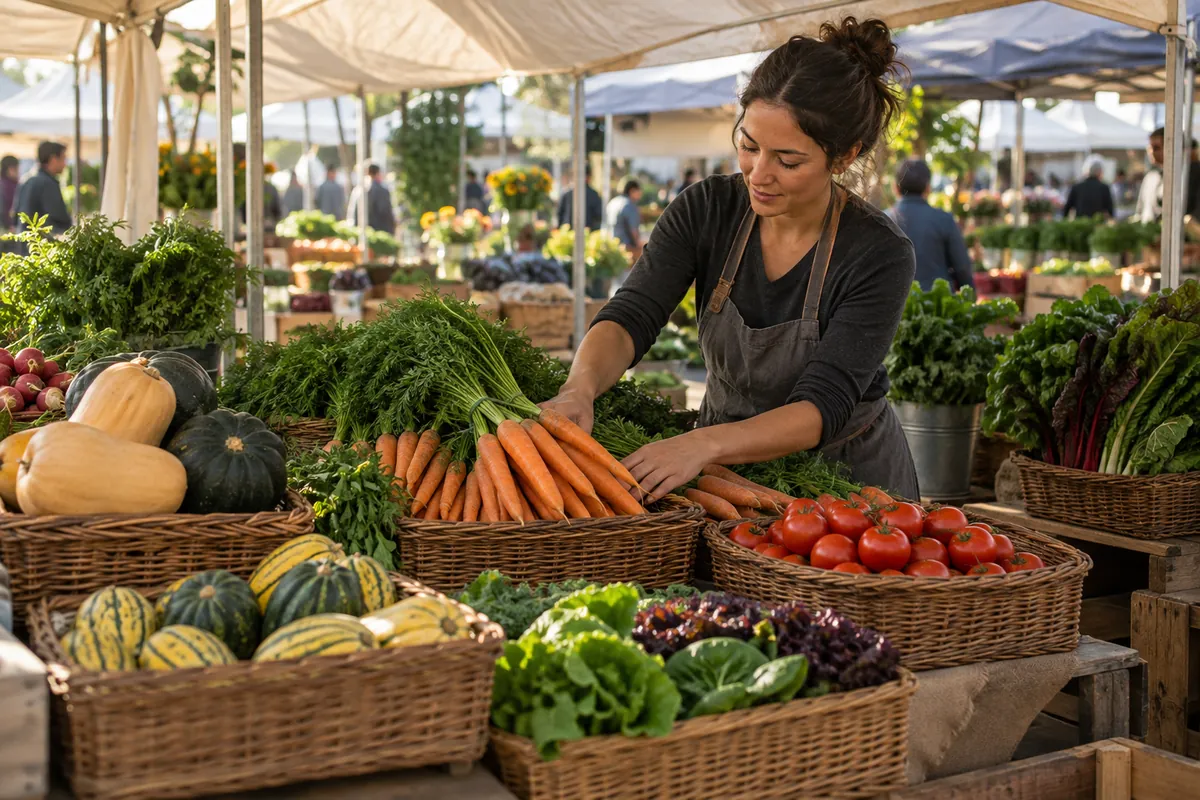
For a Zionsville shop, we skip stock photos and stacks of identical content boxes, because they make a one-of-a-kind store look like a chain. Your own storefront and product photos lead instead. We check the product pages and the visit page on a phone first, since those two decide whether someone makes the trip.
Questions about website design in Zionsville, Indiana
Local context
- Main Street Zionsville describes a walkable Village with shops, dining and services. Main Street Zionsville Village guide
- The town announced final design planning for Main Street Momentum through the historic Village. Town of Zionsville Main Street Momentum announcement
How much does a new website cost for a shop like ours?
The Marketing Startup Kit is $7,997, or three monthly payments of $2,799. It covers a custom 15 page website designed and built, Google Business Profile work, twenty blog posts, schema and three months of strategy consulting. A smaller redesign for an established shop is priced after the free strategy call, once the number of products and pages is clear.
Should our site show products if we don't sell online?
Yes, as long as every product page says how to actually get the item. A Village shop can show representative pieces with a note to call or stop in and check the shelf, plus a short request form for special orders. Live stock counts belong on the site only when a real inventory system feeds them automatically.
If our shop starts selling online, what changes on the website?
The checkout changes most, because it has to be built around your sales tax registration before it takes a single order. Your accountant confirms how tax should apply, and we set the cart's tax settings to match. Receipts and order emails show the tax charged on each sale, which your bookkeeper will want at filing time. If the shop isn't registered as a retail merchant yet, the launch date waits until it is.
How long does a website project take?
In the Startup Kit's sample schedule, week one is discovery and weeks two to four cover design and build, with content and profile work after that. Your real schedule is agreed once the scope is reviewed. Shop projects tend to move faster when the photos and product details arrive early, since pages can't be finished around missing pictures.
Can the design use motion without slowing down phones?
Yes, when the motion is small and has a job to do. A product filter that slides smoothly or a gallery that eases between photos can add character, but the text and prices stay readable without it. Anyone who turns on reduced motion in their phone settings gets a still version, and nothing waits on an animation to appear.
What do Trojan Digital Marketing's Google reviewers say about working with Jeff?
Heather Doan's review says, 'I had a great experience working with Jeff,' and Mike Bamosi wrote that the work 'drove a noticeable uptick in leads within just a few weeks.' You can also open a few live sites we've built and try them on your own phone.
“I had a great experience working with Jeff…”
“…drove a noticeable uptick in leads within just a few weeks…”
Jeff Clerisier founded Trojan Digital Marketing in March 2018.
We work from Indianapolis and serve Zionsville, in Boone County, as part of central Indiana.
We also work with clients across the United States.
What about the Village changes how a Zionsville shop's website should work?
Historic storefronts and a Main Street project in final design planning both shape what a website for a Zionsville shop should show and keep current.
Brick Street and the Village, Zionsville
The town describes its downtown as 'highlighted by development along the Brick Street,' with 'lots of new shops and stores set up in historic buildings.'
The design starts from photos of your own building and entrance, which tell a visitor on the sidewalk they've found the right door.
Town of Zionsville, 'About Our Town'Checked September 21, 2026The Town of Zionsville announced final design planning for Main Street Momentum, a project running through the historic Village.
Directions and parking notes live on one editable visit page, so the whole site doesn't need rewriting once the town posts construction details.
Town of Zionsville news flash, Main Street Momentum announcementChecked September 13, 2026Indiana shops that sell goods register with the Department of Revenue on INBiz as retail merchants, then charge the state's 7% sales tax. A registration is good for two years, and each store location posts its own.
Check that your registration is current before a cart goes live, since the checkout's tax setup is built to match it.
Indiana Department of Revenue, Sales Tax pageChecked September 25, 2026
Main Street Momentum construction dates, detours and parking changes weren't confirmed, and the sales tax rule is statewide. No Zionsville client project is described here.
Who brings what to the website project?
Splitting the work early keeps a Zionsville web design project moving, with your shop bringing what only you have and us building the pages around it.
Your shop brings
- Photos of the storefront, displays and signature products
- The special order steps staff already follow
- Current hours, including seasonal changes
- The name of whoever will update featured items
- Questions visitors ask at the register
We handle
- A design built from your photos and signage
- Product pages that say how to confirm an item
- One visit page for the entrance, hours and parking notes
- Phone, keyboard and reduced motion checks before launch
- Editing guidance so staff can change hours themselves
Should your website sell online, take requests or only show products?
How you sell today decides what a new site for your Zionsville shop should do, and each setup asks something different of your staff after the design launches.
| How you sell | What the site does | What staff keeps up |
|---|---|---|
| In store only | Galleries with a note to check the shelf | Swapping featured items as stock turns over |
| Special order requests | A short form asking for the item and when it's needed | Answering requests and confirming availability |
| Online checkout | Cart, tax settings and pickup or shipping options | Accurate stock, order emails and a current retail registration |
Find the details that make the brand recognizable
We begin with the business's own material: photographs, packaging, physical space, project work and the language staff uses to explain the offer. Those details can inform typography, color and composition without making the site difficult to navigate. The opening screen should identify what the visitor can explore. A decorative effect is useful only if it supports that introduction or a later task. The design brief therefore connects each major visual choice with the information it needs to communicate.
Respect the difference between atmosphere and instructions
Main Street Zionsville presents the Village as a walkable setting for shops and dining. That can inform a brand story, but actual visit information still comes from the business. We confirm opening arrangements, accessibility details and the correct destination before publishing them. The town's Main Street Momentum announcement also illustrates why public area information should be checked when it changes. We do not turn planning news into an unverified claim about current access.
A proposed independent gift shop design
Imagine a gift shop in the Village that curates products from several makers and accepts custom gift inquiries. Its proposed site could use an editorial product story rather than a repeating grid on every page. A visitor might explore by occasion, then view the maker information and the options the store can confirm. A small interactive selection could help the visitor identify the occasion and recipient context before sending an inquiry.
Read more
The interface would not imply live inventory unless an actual inventory connection exists. The custom request would explain what staff reviews and how availability is confirmed. Original photographs could show packaging and product combinations, with captions making clear when an arrangement is illustrative. This proposed design uses the business's own character without inventing a maker relationship, a product promise or a result for a local shop.
Organize rich pages around a reading rhythm
- Offer
- Explain what the customer can get.
- Evidence
- Support the offer.
- Action
- Make the next step easy to use.
A long page can alternate between concise introductions, large images, product details and practical questions. The rhythm should help the visitor understand the offer, not interrupt every paragraph with an unrelated effect. We use consistent spacing and type while allowing different sections to have distinct compositions. Important information stays in readable text. A mobile reader should encounter the same logical sequence even when a desktop arrangement places images and text side by side.
Give every interaction a useful consequence
- Identify a meaningful choice, such as occasion, product category or service type.
- Use a labeled control with a clear selected state.
- Show information that genuinely responds to that choice.
- Keep the relevant inquiry or visit action available without extra navigation.
- Check touch, keyboard and reduced motion behavior before approving the interaction.
A hover effect can add character, but it cannot be the only way to access information. Likewise, an animation should not hold essential content out of reach while it runs. We discuss those details alongside the visual design so the experience remains coherent on different devices.
Prepare imagery and changing content for the team
We identify which photographs can be used, how they should be cropped and which versions suit different display sizes. Compressed formats and a deliberate loading order are part of the implementation plan. Frequently changing products or stories can be organized in an editable content collection. Staff need clear fields and preview guidance so updates fit the visual system. If the business cannot maintain live stock, the website should describe browsing and inquiry honestly rather than display unreliable availability.
Review the practical experience before judging the polish
- Observe → review
- Check the page and its evidence.
- Update → recheck
- Publish the change and check the result.
We follow real tasks such as finding a suitable category, understanding a custom request and submitting it on a phone. Google's page experience guidance supports considering the overall experience. Our checks include the actual content and controls, not only a headline performance number. We also test the form destination and confirmation. An attractive submission screen is incomplete if the business has no reliable process for receiving and handling the request.
Scope a website that your business can keep using
Bring the current site, original brand material and the customer actions that matter most. We can define the visual direction, content model and implementation work around those inputs. Zionsville SEO strategy can clarify the page purposes, and Zionsville Google Maps optimization can align public visit information. The Zionsville market hub connects the wider services. The proposal should explain how the website looks, how it works and how your staff will keep it accurate.
Related projects

Westfield Roofer
A Westfield, Indiana roofing website that pairs call and inspection routes with five before-and-after project comparisons.

Redefined Body
A skincare shop redesign with clear product pages that show benefits and ingredients alongside a purchase button.

Moto Supreme
A cabin retreat website that connects the stay and guest activities with a practical route to booking.