Need help?Jamie

Market service plans

South End Charlotte AI Overviews for Restaurants and Shops

Someone searches whether your South End restaurant is open late, and Google's AI Overview answers from another site's page.

Trojan Digital Marketing rewrites South End, Charlotte, North Carolina restaurant and shop pages so Google finds a plain answer to quote. We start with your closing times and your nearest light rail stop. South End's station guide covers four LYNX Blue Line stops, with New Bern the southernmost, so naming yours answers a question visitors type before they ride.

Send the form with the address of your menu or visit page and the question visitors ask you most. The first strategy call is free, and during business hours we aim to reply within five minutes.

  • The answer in your page's first lines
  • Visitor questions answered by name
  • Every change logged with its date

Jeff Clerisier founded Trojan Digital Marketing in March 2018 and built it from scratch with no outside money. He's on your free call, and he picks which lines on your menu or visit page get rewritten first. South End has more workers than residents, so we'd write the lunch answer and the late-night answer as separate lines.

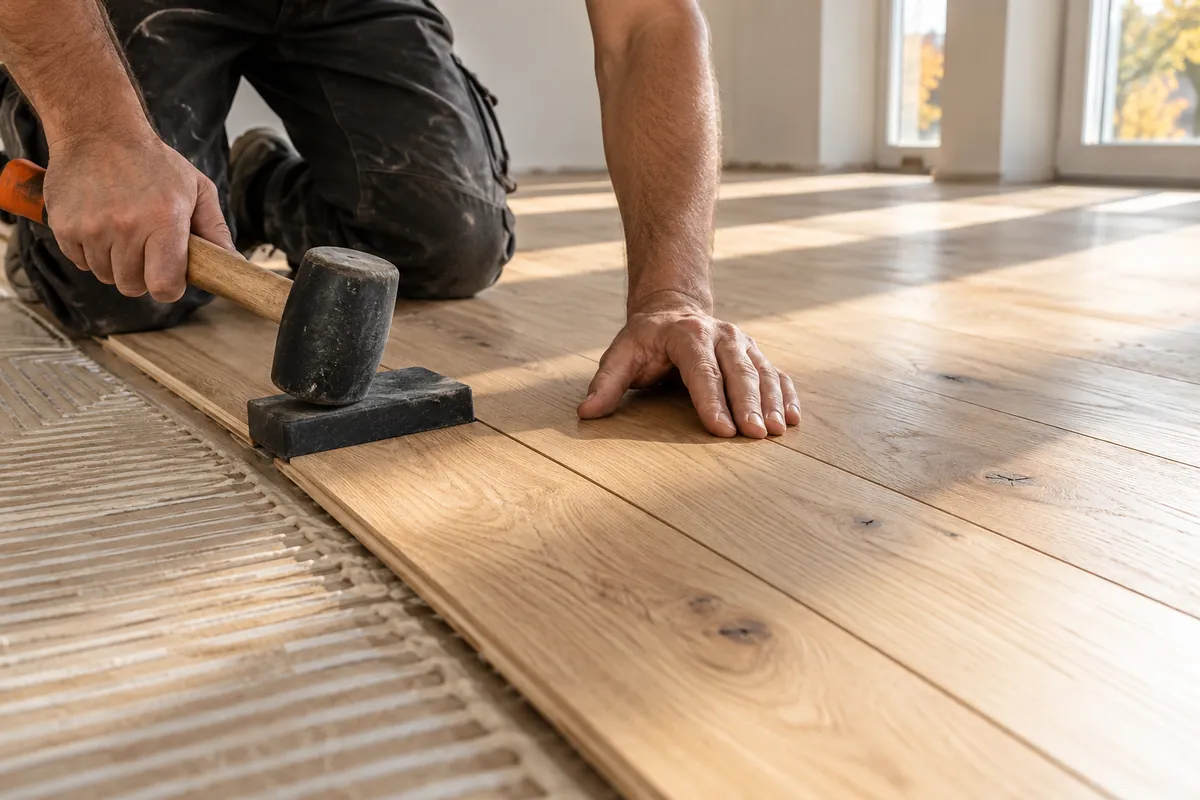
Illustrative business scene: craftsperson fitting oak planks into a new wood floor
IllustrationAnswer preview for South EndAn AI answer panel drawn with this page’s public and guidance references as source chips. It isn’t a real AI Overview and cites no business.ANSWER PREVIEWAsk about South EndAI ANSWERCharlotte Center City Partners South End shopping guide · southendclt.orgCharlotte Center City…Google Search Central AI features and websites · developers.google.comGoogle Search Central AI…

YOUR WORKING BRIEF

Choose where to start

Select the parts you want to discuss. Your choices carry into the inquiry form.

Discuss this service0 priorities selected

See how I'd approach this

Choose a question
to look at with me.

A plan moving from scope to delivery and review01Define the scope02Build the work03Review the result
  1. Define the scope
  2. Build the work
  3. Review the result
A plan moving from scope to delivery and review

A South End showroom hears a different question from a restaurant: what should I bring to an appointment, and what do I need to decide first? Two plain lines on the booking page answer it in a form an Overview can quote. Trojan Digital Marketing does this AI Overviews work for South End restaurants, shops and showrooms.

Start South End lighting research with a selection question your staff hears during consultations. We’d check the observed Google answer against current product information and the service scope your business can support.

Questions about AI Overviews in South End, Charlotte, North Carolina

What does AI Overviews work cost for a South End business?

The price depends on how many of your pages need a clearer answer up top, so it's set after the free strategy call. If you'd like a baseline before then, the $99 Jev audit adds up to three competitors you name, and a $19 rescan after your fixes shows what moved.

Which light rail stop should my South End page mention?

Name the stop closest to your door. South End's own station guide covers four LYNX Blue Line stops in the district, New Bern, Bland Street, Carson and East/West Boulevard, with New Bern the southernmost. Put the station name and the walk in a plain sentence near the top of your visit page, because that's the kind of line an Overview can quote.

Can I choose what an AI Overview says about my business?

No. Google decides what goes into an Overview and which pages it links. Your part is a page Google can crawl and index that opens with a direct answer in the words people type. Google's own guidance says there's no special tag for getting in, so the effort goes into the sentences themselves.

Is an older how-to page on my site hurting me?

It can, if it explains local rules that have since changed. Charlotte's Unified Development Ordinance took effect on June 1, 2023 and folded several older ordinances into one document, so a page written before then about zoning or signs may now be wrong. We'd date-check pages like that before asking Google to quote them.

How soon will a rewritten page show up in an AI Overview?

You can't know in advance, since recrawl timing is Google's call and plenty of searches never get an Overview. What we can do is keep a record: the day each rewrite went live, then repeat checks of the searches it targets, noting whether your page appears as a source and whether clicks followed.

What if Overviews keep citing another business?

Then we put their quoted passage next to yours and compare them line by line. The cited one tends to give a number or a straight yes where the other hedges. Sometimes the gap is proof you don't have yet, like a stack of recent reviews, and then the honest move is to build that first.

What happens after I send the form?

On the free strategy call, Jeff Clerisier opens the page you sent and searches the question you named, so you both see what Google shows for it today and which line on your page could answer it. We're based in Indianapolis and work with South End businesses remotely. Mike Bamosi's Google review of Trojan Digital Marketing mentions work that "drove a noticeable uptick in leads within just a few weeks."

“I had a great experience working with Jeff…”
Heather DoanGoogle review
“…drove a noticeable uptick in leads within just a few weeks…”
Mike BamosiGoogle review

We have more than 1,400 live websites.

Trojan Digital Marketing is based in Indianapolis and serves Charlotte businesses remotely.

Mecklenburg County DBA certificates are notarized and filed with the Register of Deeds. Source, checked September 25, 2026.

Read our Google reviews

Which South End facts can your page answer before Google does?

These sourced facts about South End, Charlotte, North Carolina are the kind of detail visitors ask Google about, and a page that states them plainly gives an Overview something to quote.

  • South End's station-by-station guide covers four LYNX Blue Line stops in the district, New Bern, Bland Street, Carson and East/West Boulevard, with New Bern the southernmost.

    Naming your nearest stop in a plain sentence answers a question visitors type before they ride.

    South End Charlotte, station-by-station guide to South End's light railChecked September 26, 2026
  • Charlotte's Unified Development Ordinance was adopted by City Council on August 22, 2022, took effect June 1, 2023 and keeps changing through text amendments.

    A how-to page that explains local rules from before 2023 may be out of date, and an Overview shouldn't quote it.

    Charlotte UDO, 'What is the UDO?'Checked October 17, 2026
  • South End's Fast Facts page lists more than 13,100 residents and more than 19,700 workers in the district.

    You're answering two audiences at once, people who live nearby and people who work there, and their questions differ.

    South End Charlotte, 'Fast Facts'Checked September 26, 2026

None of this tells you which searches show an Overview today. Checking your target searches, and logging what appears, answers that.

Where should each South End visitor question get its answer?

A South End, Charlotte business page can answer the questions visitors type before they come. These hypothetical examples show where each answer belongs and how to phrase it.

What a visitor asks GoogleWhere the answer belongsHow to phrase it
Is it open late on a weeknight?
Top of the hours page
One sentence with each night's closing time
Which light rail stop is closest?
The visit or contact page
The station name and a rough walking time
Do I need a reservation or appointment?
The booking or appointment page
A straight yes or no, then how to book
Can I bring my dog?
The visit page questions
A direct yes or no with any limits

What order does AI Overviews work follow for a South End page?

AI Overviews work on a South End, Charlotte restaurant or shop page runs in this order, from choosing the visitor questions to searching them again once the rewrite is live.

  1. Pick the target questionsWe choose together which visitor questions come first, such as the closest stop or a late closing time, and note which ones show an Overview now.Together
  2. Rewrite the opening linesThe first lines of your menu or visit page get rewritten so each one answers a single question in the words visitors type.Our team
  3. Check the factsYou confirm every closing time and station name in the new wording before anything goes live.Your team
  4. Log the live dateEach rewrite goes into a dated log on the day it's published, so it can be matched against your own Search Console numbers.Our team
  5. Recheck the searchesLater, the same searches are run again and compared with the log to see whether your page is now a cited source.Our team

What we’d deliver

The AI Overviews deliverable would be an approved preparation answer, route comparison, supporting links and observation log. It addresses Google’s answer presentation while the product facts register belongs to the broader AI SEO service.

Read more

The preparation answer should be reviewed using an early renovation inquiry and a more developed selection request. Both buyers can benefit from an appointment, but they may bring different information and need different conversations. We would make that distinction clear without creating a long form disguised as an article. The observation log would keep questions about preparing a visit separate from technical lighting questions that the showroom does not answer. This protects the usefulness of the content and keeps the Google review focused on the actual service decision being supported.

Proposed scenario: prepare a useful answer about choosing a lighting showroom visit

A proposed answer page would explain how to prepare for a decorative lighting consultation. The opening would say that a room description, relevant dimensions and any fixture references can help the discussion, while identifying which information the showroom actually requests. The page would distinguish an early selection conversation from a later order review.

Read more

We would build a comparison between public product browsing, an appointment and a trade project discussion where the trade service exists. Each route would link to the relevant page. The answer would be reviewed by the lighting consultant so it does not drift into unsupported electrical guidance. A documented Google observation set would then cover questions about preparing for a showroom appointment and comparing selection routes. We would record whether an AI Overview appears and the links it shows. The page could also be sent to prospective visitors as preparation, giving it a clear customer purpose even when a query does not display an AI feature.

Decisions the page and service need to support

Customer situationUseful decisionWorking destination or deliverable
Early browsing
Identify interests and questions
Collection pages
Selection appointment
Bring useful project context
Appointment request
Trade discussion
Confirm the real trade route
Trade service information

Guidance behind this approach

Google says no special AI markup is required.

Sources & further reading

Talk with Trojan Digital Marketing

Can anyone walk into a design showroom? Settle it in one line

Shoppers often can't tell whether a South End showroom sells to the public or mainly to designers. Answer that plainly near the top, and an AI summary has something clear to repeat.

Picture a couple who just moved into a new South End apartment. They've heard the neighborhood has home design showrooms, and they type something like 'can I shop at a design showroom without a designer' into Google. If your site hedges, or says only 'serving the trade', the summary they read will lean on somebody else's page. Worse, it may guess.

We'd put one sentence near the top of your homepage and your visit page that answers the question straight. Open to everyone, open to everyone with trade pricing for designers, appointment only, or trade only. Each is fine. What loses customers is making people call to find out which one you are.

Trade-only showrooms often feel shy about saying so, as if it might sound unfriendly. It doesn't. A warm line that points homeowners toward a designer, or toward the retail shops nearby, earns goodwill and saves both sides a wasted drive across town on a Saturday.

Hypothetical one-line answers for different kinds of South End showrooms
Showroom setupWhat shoppers typeThe line we'd write
Open to all, with a trade programdo I need a designer to shop thereAnyone can shop here, and interior designers can ask about trade pricing.
Appointment onlycan I just walk inWe see visitors by appointment, and booking takes about a minute online.
Trade onlycan homeowners buy thereWe sell through interior designers, and we're happy to suggest a few who work in Charlotte.
Walk-in weekends, appointments on weekdaysis it open saturdayWalk in any Saturday. On weekdays, book a visit so a consultant is free.

A one-page site for a tiny shop can still answer the big questions

A micro-retail shop may only need a single page. Break it into short, labeled sections that each answer one question, and Google can still link visitors to the right spot.

  1. Open with who and what First line: your business name, your main service, then 'South End, Charlotte'. Second line: today's hours, or where to find them.
  2. Give each question its own heading Use plain headings like 'Hours', 'Finding our door', 'What we carry' and 'Returns'. Each one should work as a short answer on its own.
  3. Keep answers to two or three sentences Say the thing, add one useful detail and stop. A tiny shop's charm is in the photos, so let them carry the mood.
  4. Link the headings from the top A short row of links near the top lets visitors jump straight to 'Returns' or 'Hours' without scrolling.
  5. Make your door findable In a building with many garage doors, describe yours: the color, the sign, the neighbor on each side.

Owners of small shops sometimes assume Google ignores one-page sites. We haven't found that to be the problem. The usual problem is a page that's all photos and a phone number, with no words for a summary to lean on. Add six short, honest sections, and a single page can answer most of what people ask before they visit.

We like one-page sites for micro-retail because they're easy to keep current. You change the hours in one place, and there's no stale second page quietly telling people something different.

Returns and exchanges: the boutique question nobody writes down

People ask about returns before they buy a gift, and many small shops only explain the policy at the register. Put it on the site in plain words, and keep it matching the receipt.

Hypothetical example A hypothetical South End clothing boutique putting its return policy online

Before

  • The policy exists only on the back of the receipt and a small card by the register.
  • Shoppers searching 'can I return a gift' find a chain's policy in the summary instead.
  • Staff answer the same question by phone several times a week, not always the same way.

After

  • A 'Returns and exchanges' heading on the shop page opens with one sentence: the window, the condition and store credit or refund.
  • A second line covers gifts: 'Bring the gift receipt, or we'll look up the sale with the buyer's name.'
  • The receipt, the register card and the web page now say exactly the same thing.

Return questions matter more than their size suggests. They show up right before a purchase, when someone is deciding between your dress and one they could send back to a big store by mail. A clear policy removes a small worry at the moment it counts. It also saves your staff from repeating themselves on the phone.

We'd write the policy the way you'd say it to a customer holding a bag, and we'd leave the legal-sounding version on the receipt if you need one. Short sentences, one idea each: how long, what condition, and what they get back.

Our tip for boutiques with a strict policy: say it kindly, and give the reason in a few words. A line like 'We're a tiny shop, so store credit is what we can offer' does the job. People accept a firm rule far more easily when they understand it.

Pickup windows, delivery zones and the sofa that won't fit the elevator

Anything bigger than a shopping bag raises logistics questions. Answer where you deliver, how pickup works and what fits through a South End apartment door before someone has to ask.

Logistics questions a South End shop might answer, with a hypothetical answer shape for each
The questionAnswer shapeWhere it lives
Do you deliver to my neighborhood?Name the areas you cover in plain words, plus how to ask about othersDelivery page and product pages
Can I pick up on my lunch break?Say when orders are ready and where to grab themOrder confirmation and the visit page
Will it fit in my building?Give the packed size and say whether you carry items upstairsEach large product's page
How much is delivery?A flat fee, a range or what the price depends onDelivery page, near the top
Can you take away the old one?A straight yes or no, with any feeDelivery page

The office crowd and the apartment crowd ask different versions of these. A worker in a nearby tower wants to know if they can grab an order between meetings. A new renter wants to know if the couch will survive the freight elevator. We'd write short answers for both, and put each one where that person is already reading.

Numbers help most here. 'Ready in about twenty minutes' and 'fits through a 30-inch doorway once it's out of the box' are lines a summary can lift as they are. 'Fast pickup' and 'easy delivery' give it nothing to work with.

When we write these for a shop, we start with the delivery crew and the person who packs pickup orders. They know which promises hold up on a busy Saturday and which ones don't. We'd rather publish a slightly slower time you always hit than a quick one you miss every weekend.

Swatches, samples and loaners: answer 'can I take it home?' before the visit

Home design shoppers want to see a fabric in their own light before committing. If you lend swatches or samples, say how it works on the page people read before they drive over.

  1. List what can leave the store Fabric swatches, paint chips, tile samples, a rug on approval: write down exactly what you let people borrow or buy as a sample.
  2. Say what it costs Free, a small fee, a refundable deposit or a charge that comes off the final order. Pick one line per item and keep it short.
  3. Say how long they can keep it A number of days is clearer than 'a little while'. Mention what happens if a sample comes back late or doesn't come back at all.
  4. Explain how to request one In person only, by email or through a form. If a designer has to order it for them, say so here.
  5. Put it where the question starts Link the sample policy from every product page that offers one, right beside the price or the size.

This is one of the most practical answers a showroom can publish. Someone choosing a sofa fabric wants to know if they must decide on the spot. Maybe they can take a few swatches home and hold them against the living room wall at night. A clear answer removes a big worry and often brings them in sooner.

We'd write it in the plainest words possible and test it on someone who has never ordered custom furniture. If they can tell you what it costs, how long they have and how to return it, the answer is ready for Google and for customers.

What if we only lend samples to designers?
Then say that plainly, and add what a homeowner can do instead, like visiting to see the full range in person. We'd never leave that group guessing, because they may be the ones hiring the designer.
Should we post photos of every swatch online?
Only if you can keep them current. We'd start with your most requested collections and a note that colors on screens vary, then invite people in to see the rest.

How long until it arrives? Give lead times as honest ranges

Special orders raise the question every buyer asks. Answer with a range, name what stretches it and update it when your suppliers change pace.

Hypothetical lead-time lines for a South End home goods showroom
Item typeLine on the pageWhat can stretch it
In-stock piecesReady to take home or deliver within the weekDelivery schedule on busy weekends
Custom upholsteryUsually eight to twelve weeks from the final fabric choiceFabric back orders at the mill
Lighting special ordersOften four to eight weeks, depending on the makerFinish choices and shipping from overseas
Made-to-measure rugsA range we confirm with you when you orderSize, material and the weaver's queue

Ranges feel less impressive than a single number, but they're the honest version, and they hold up better when a summary repeats them. 'Usually eight to twelve weeks' stays true through a slow month at the factory. 'Six weeks' turns into an angry email the first time it isn't.

We'd put the range on each product type's page and repeat it on the order confirmation. Then, twice a year, we'd check the real numbers with you and nudge the ranges if your suppliers have sped up or slowed down.

Our other habit here is naming what the customer controls. Lead times often start the day the final choices are made, so we'd say that in the same sentence. It gently nudges people to settle the fabric sooner, and it keeps a slow decision from being blamed on your shop.

Which side of the tracks? Answer the Rail Trail question

The Rail Trail carries walkers past plenty of South End doors. Tell them which side of the tracks you're on and where to cross, because 'on the Rail Trail' alone leaves them guessing.

  • Which side of the light rail tracks your door faces
  • The nearest spot to cross, named by the street
  • A landmark a walker will pass just before reaching you
  • Whether your entrance faces the trail or the street behind it
  • Where to leave a bike, if you have room for one

Trail walkers are a lovely crowd for a shop: relaxed, curious and already out for a wander. They're also easy to lose. A walker who ends up on the wrong side of the tracks may just keep strolling to the next place. One sentence fixes it, like 'We're on the west side of the tracks. Cross at the corner by the bike racks and look for the green awning.'

We'd put that sentence on your visit page and your Google profile, in the same words. If your entrance faces away from the trail, say so outright. It's the kind of detail an AI summary can pass along word for word when someone asks how to find you.

Evening walkers need their own cue. If your sign is lit or your patio lights stay on after dark, mention it, because a door that's easy to spot at noon can vanish at 8 p.m. We'd add one line for night visitors under the daytime directions.

Our favorite way to write this is to walk it. Start at the nearest crossing with your phone recorder on and describe what you see until you reach your door. We'd trim that recording into two sentences, and it usually beats anything written at a desk.

Hours with an asterisk: appointment days, trade mornings and late Thursdays

Plain opening hours are easy. Hours with conditions trip up summaries, so spell out each exception in its own sentence and show when you last confirmed it.

  • 'Open to walk-ins Friday to Sunday, by appointment Monday to Thursday'
  • 'Designers and trade clients from 9 a.m., everyone from 11 a.m.'
  • 'Open until 9 p.m. on Thursdays, 6 p.m. the rest of the week'
  • 'Closed the first Monday of each month for inventory'
  • 'Kitchen closes at 9 p.m., bar stays open until 11 p.m.'

Each of those lines works because it holds one condition and one time. The trouble starts when a page squeezes them into a grid with footnotes, or tucks them into a paragraph about the brand. A summary pulling from that page might grab the general hours and drop the exception, and someone shows up on an appointment-only Tuesday.

We'd list the regular hours first, then each exception as its own short line underneath. Your Google profile should carry the same hours, including special hours for holidays, so the two sources agree.

When we audit a shop's hours, we usually find three versions: the website, the listing on Google and the decal on the glass. We'd pick the true one with you, fix the other two the same afternoon and set a reminder to check all three whenever the schedule changes.

Gift card questions arrive in December and never quite leave

People search gift card details when they're in a hurry to buy or trying to spend one. Put the basics in writing so the answer is yours and not a guess.

Can I buy a gift card online?
Say yes or no in the first words, then link straight to the purchase page if you sell them online. If cards are in-store only, say that and give the hours.
How does the card arrive?
Email, text or a physical card in the mail are all common. Say which you offer, and whether the buyer can pick a delivery date for a birthday.
Can I use it at another location or a sister shop?
If you run more than one spot, or share a building with a sister business, spell out exactly where each card works. Shared buildings breed this question.
How do I check my balance?
Give the real method, whether that's a link, a phone number or asking at the counter. A missing answer here sends people to your phone line in January.

We'd put these four answers on one short gift card page and link it from the homepage in November and December. After the holidays, keep the page and move the link lower. The balance question keeps coming all year, long after the wrapping paper is gone.

If your gift cards come from a point-of-sale company, we'd check what its own help pages say about balances and delivery, then write your answers to match. That way the page, the card and the register tell customers the same story.

Gift cards are also a quiet signal of loyalty. When someone searches how to buy one of yours, they already like you enough to send a friend your way. We'd make that path short: one tap from the answer to the purchase, and one friendly line about what the friend can expect when they visit.

Wrong answer about your shop? What to check and how to report it

Google can only link a page it has indexed, and you can flag an Overview that gets your shop wrong. Checking the first and reporting the second both cost nothing.

How do I know Google can use my page at all?
Two conditions come first: Google must have the page in its index, and nothing on it can block snippets. Search Console's URL Inspection tool tells you whether a page is indexed, and its live test looks at today's version.
An Overview said something wrong about my shop. Can I report it?
Yes. At the bottom of an Overview, the thumbs-down icon leads to a 'Report a problem' option where you can pick a category and add details. We'd also fix whatever page or listing likely fed the mistake, since that's the part you control.
Should my answers live on one big FAQ page?
We'd rather put each answer on the page where the question comes up, like returns on the shop page and delivery on product pages. A short FAQ can still gather the odd ones that don't fit anywhere else.

Sources

From the businesses we've worked with

“Excellent experience working with them! Highly recommend!”

Marketing help for Charlotte businesses

Trojan Digital Marketing is based in Indianapolis and serves Charlotte businesses remotely.

Request a free strategy call

Charlotte, North Carolina

Service area map

Explore Charlotte on OpenStreetMapArea reference; this is not an office pin. Map © OpenStreetMap contributors.