Need help?Jamie

Electrical Contractor Marketing Agency

Electrician Marketing Agency for Panel, EV and Service Calls

Breaker calls keep your vans busy, but the panel upgrades, EV chargers and generator installs you want go to other electricians. Trojan Digital Marketing does SEO, runs Google Ads and writes service pages for electrical contractors anywhere in the United States, from our base in Indianapolis. We check first whether each upgrade has a page explaining permits and inspections, because homeowners hold off when they can't picture the process. The first strategy call is free. During business hours we aim to reply within five minutes.

A panel or EV charger page should say what the site check covers, who pulls the permit and when the inspection happens.

Permit and inspection friction reflected in campaign design
Panel, EV, generator, and troubleshooting lanes separated
Safety trust messaging built into conversion flow
No inflated outcomes or shortcut claims
Trust triggerElectrical buyers often pick the company that explains the job most clearly and safely, even when its price isn't the lowest.
Funnel flawGeneric electrician pages underperform for panel and EV upgrade intent because scope variables are missing.
What to measureBooked estimates by service type tell you more than a total lead count.
Scale ruleExpand budgets only where permit workflows and field capacity can support predictable completion.

The first strategy call is free, and during business hours we aim to reply within five minutes.

“I had a great experience working with Jeff…”
Heather DoanGoogle review
“…drove a noticeable uptick in leads within just a few weeks…”
Mike BamosiGoogle review

Jeff Clerisier founded Trojan Digital Marketing in March 2018.

We have more than 1,400 live websites.

Based in Indianapolis, we serve businesses across central Indiana, including Carmel, Fishers, Zionsville, Westfield, Noblesville, Greenwood, Avon and Plainfield.

We also work with clients across the United States.

Read our Google reviews

What makes electrical contractor marketing different from other home service categories?

Electrical buyers weigh safety, compliance, and trust more heavily, especially for panel, service, and EV projects. Effective strategy separates urgent troubleshooting from planned upgrades and provides clear process language around permitting and inspection expectations.

  • Separate safety sensitive upgrade intent from emergency troubleshooting
  • Use pages that explain scope and compliance variables
  • Measure booked job quality by service line
Why do many electrician campaigns overproduce weak leads?

Broad targeting and thin service pages attract curiosity traffic that is not ready to schedule. Without qualification prompts around panel age, service capacity, or permit context, office teams spend time on calls that rarely convert.

  • Tighten keyword intent and negatives by job type
  • Add intake questions for scope readiness
  • Align radius with actual technician deployment

How should EV charger demand be handled in campaigns?

As its own lane. EV installs involve panel capacity checks, utility coordination, and homeowner education. Treating EV demand like generic service calls usually reduces estimate quality and produces scheduling friction.

  • Publish EV specific process and eligibility content
  • Clarify site assessment requirements early
  • Route to trained estimators with upgrade context

Does code and permit content actually affect conversion?

Yes. Homeowners and facility managers often hesitate when they do not understand inspection or permit steps. Practical explanations of NEC related considerations and municipal workflow reduce uncertainty and improve readiness.

  • Explain process without legal overclaiming
  • Set timeline expectations honestly
  • Use jurisdiction aware qualification at intake

Quick answer

How does an electrical marketing agency improve outcomes?

The useful answer comes from how calls get handled day to day.

How can electrical contractor marketing reduce wasted leads and improve booked job quality?

It segments emergency troubleshooting from planned upgrades, builds trust first safety messaging, and connects channel spending to booked and completed job value. For panel upgrades, EV chargers, and generator work, strong qualification and permit aware education typically improve estimate readiness and reduce low fit call volume.

Trust barrier
Safety and code confidence
High value lanes
Panel, EV charger, generator
Primary KPI
Booked qualified jobs by source
Common leak
Weak scope qualification at intake
Content need
Permit and process clarity

Executive points

Key takeaways for electrical operators

These are recurring lessons from contractor account audits and rebuilds.

  1. Panel and service upgrade demand should not be scored by the same speed metrics as breaker trip emergencies.
  2. Safety credibility language often influences close quality before price comparison begins.
  3. Permit and inspection explanations reduce estimate drop off for larger electrical scopes.
  4. EV charger campaigns require dedicated qualification and scheduling pathways.
  5. Lead quality improves when office teams collect scope signals before dispatch.
  6. A stable growth model ties media spend to completed job value, not inbound call totals.

Demand split

Troubleshooting demand and upgrade demand are structurally different

Operators who blend them into one funnel usually sacrifice both efficiency and close quality.

Rapid response troubleshooting

  • Call first intake for outages, sparking outlets, and urgent failures
  • Dispatch radius constrained by response capability and safety expectations
  • Script discipline for triage, risk communication, and immediate booking
  • After hours workflows with clear escalation rules

Planned electrical upgrades

  • Panel, EV, generator, and service upgrade pages with scope explainers
  • Permit and inspection expectations addressed early
  • Estimate funnel built around education and readiness checks
  • Follow up sequence tuned for multi day household decisions

Service mechanics

Electrical service lines require intent specific channel structure

Six lanes that often deserve separate targeting, conversion flow, and reporting treatment.

Emergency Response

Outages, tripping breakers, and urgent diagnostics

Emergency electrical calls are trust and speed sensitive, but vague urgency copy can attract low fit demand outside realistic service zones. Strong acquisition combines clear safety first messaging with practical qualification and response windows, helping office teams prioritize serviceable calls rather than chasing volume that cannot be fulfilled responsibly.

Panel Modernization

Panel replacement and service upgrades

Panel projects involve risk perception, permit expectations, and household disruption concerns. Content should explain why upgrades are recommended, what variables influence scope, and how inspection steps fit the timeline. This produces more informed estimate calls and reduces friction caused by unrealistic assumptions about one visit completion.

EV Infrastructure

EV charger installation pathways

EV charger demand often begins with homeowner uncertainty about amperage, panel capacity, and location constraints. A dedicated lane should educate without oversimplifying, then guide users toward proper assessment. Campaigns that skip this depth frequently generate inquiries that stall before scheduling because prerequisites were never clarified.

Backup Power

Standby generator projects

Generator buyers compare reliability, transfer switch complexity, fuel considerations, and installation logistics. Marketing has to support larger ticket confidence, not just ad clicks. Detailed pages with clear sequencing and expectation management can improve qualified conversion by reducing confusion during early evaluation stages.

Code and Inspection

Compliance sensitive electrical work

Projects affected by NEC updates or municipal interpretation require transparent communication around permit processes and inspection milestones. When content omits this, call quality declines because buyers assume instant start dates. Permit aware messaging improves planning conversations and helps set realistic scope boundaries from first contact.

Commercial Light Service

Tenant improvements and maintenance work

Commercial and mixed use accounts prioritize response reliability, documentation, and communication standards over generic promotional messaging. Lead handling should reflect service level commitments and scope documentation needs. A residential only funnel model often underperforms here because buyer priorities and approval workflows are materially different.

Planning priorities

Electrical marketing priorities

Use this checklist to review your own business and its customer journey.

Method · Review your own inquiry records, staff input, and completed work. These are planning questions, not measured client benchmarks.

Scope

Review panel upgrade information.

Check whether the page explains the project details your team needs before an estimate, including the existing installation and the work requested.

Timing

Define the estimate follow up process.

Record the next action after a consultation and assign a person to follow up when the customer has the information needed to decide.

Intake

Check urgent request handling.

Review answering arrangements, the information collected, and how the team confirms whether it can accept a request.

EV fit

Qualify charger installation inquiries.

Ask for the vehicle, charging goal, property context, and existing installation information your qualified team needs to assess the project.

Sources

Review channel concentration.

Compare where accepted inquiries originate and assess the effect on the business if one source changes.

Shared language

Electrical marketing terms owners and managers should align on

Shared definitions help technicians, office teams, and marketing partners make better monthly decisions.

Permit Friction
Delay or uncertainty introduced by permit and inspection requirements that can affect close timing and customer expectations.
NEC Cycle Awareness
Understanding how code update cycles influence homeowner questions, project suitability, and messaging requirements.
Also called: National Electrical Code cycle
Qualified Dispatch
A booking standard where call details are sufficient for productive technician deployment and realistic scope expectations.
Upgrade Intent
Search behavior tied to system improvement projects such as panels, EV chargers, or standby power, not immediate troubleshooting.
Safety Trust Signal
Proof elements and communication cues that demonstrate professional reliability in a high risk service category.
Estimate Readiness
The point when a prospect understands likely process, scope variables, and next steps enough to move forward seriously.
Source to Completion Tracking
Measurement model linking inquiry origin to completed job value so budget decisions reflect real outcomes.

Strategy options

Three common growth approaches for electrical companies

The recommended path usually balances lead consistency with safety focused conversion quality.

Shared marketplacesDIY in house stackOwned demand system
Scope qualification depth
Low
Variable
High
Permit aware messaging
Minimal
People dependent
Structured and repeatable
Upgrade intent conversion
Inconsistent
Improves slowly
Best long term fit
Data transparency
Limited
Partial
Strong
Brand trust control
Shared
Partial
Owned
Cross market scalability
Costly
Resource heavy
Governed

Budget planning

How electrician marketing is priced

We price each tier after the free strategy call, because footprint, service mix and internal readiness change the work.

Foundation

Priced after the free strategy call

BEST FOR · Single market contractors stabilizing intake and local visibility

  • Core SEO and GBP management
  • Troubleshooting vs upgrade lane split
  • Call tracking and review process
  • Landing and conversion improvements

Growth

Priced after the free strategy call

BEST FOR · Teams expanding panel, EV, and generator project volume

  • Advanced paid segmentation
  • Permit aware service content
  • Estimate follow up framework
  • Source quality reporting
  • Monthly strategy reallocation

Multi Market

Priced after the free strategy call

BEST FOR · Operators managing multiple territories or brands

  • Market rollout governance
  • Location architecture management
  • Territory level KPI stack
  • Cross channel attribution alignment
  • Executive operating cadence support
Project mix
Higher share of panel/EV/generator work increases content and qualification depth requirements.
Permit complexity
Jurisdiction variability can require more detailed messaging and sales process support.
Territory spread
Wider geographies demand stricter routing logic and market specific optimization.
Competition level
Dense metro auctions usually require faster iteration and stronger conversion operations.
Internal process maturity
Limited call scoring or CRM discipline increases setup and reporting workload.
Service hour model
Emergency coverage expectations affect staffing and campaign control intensity.

We don't publish a monthly figure for electrical programs. Pricing depends on scope, market complexity and who handles implementation, and we set it after the free strategy call.

Execution plan

Six operational steps for electrical demand growth

Each step de risks the next stage and improves budget confidence.

STEP 01

Map service line economics

Define margin and close expectations for troubleshooting, upgrades, and project work before campaign restructuring.

STEP 02

Rebuild intake qualification

Standardize scripts for safety context, panel details, permit expectations, and scheduling readiness.

STEP 03

Segment paid and organic architecture

Create distinct lanes for urgent issues, panel work, EV installs, and generator demand.

STEP 04

Publish trust and process assets

Develop service pages that answer safety and compliance questions with practical clarity.

STEP 05

Integrate source to job reporting

Connect channel data to booked and completed outcomes for each service line.

STEP 06 · Ongoing

Run monthly governance loop

Reallocate spend based on qualified CAC, backlog stability, and technician capacity.

Rollout phases

What an electrical growth rollout typically looks like

Timeframes are directional and vary by team bandwidth and existing system quality.

Phase 1

Audit and stabilization

Baseline demand quality, call handling, and service line performance gaps.

Phase 2

Architecture rebuild

Launch segmented campaign and landing pathways for core electrical services.

Phase 3

Trust content deployment

Add permit aware and safety explainer content to improve estimate quality.

Phase 4

Optimization and control

Refine by source quality, booked outcomes, and project type economics.

Ongoing

Scale and market expansion

Expand only where operations and quality metrics support reliable fulfillment.

Mid page Q&A

Common operator questions in electrical marketing

These are practical concerns from owners balancing safety, growth, and hiring pressure.

Do electrician ads need different strategy for emergency and upgrades?

Yes. Emergency calls prioritize speed and triage, while upgrades require education and estimate readiness.

How do we market EV charger installs without bad fit leads?

Use dedicated pages and pre qualification around panel capacity, install context, and assessment requirements.

Can code focused content scare off homeowners?

Not when written plainly. Clear process language usually increases trust because uncertainty is reduced early.

What if we already have strong referral business?

That is an advantage. Marketing should complement referrals by stabilizing pipeline and improving project mix control.

Should every market use the same campaign settings?

No. Permit environment, competition, and service mix differ by market and require localized controls.

How do we prevent office overload during spikes?

Use call priority workflows, route constraints, and budget pacing tied to current capacity.

Coverage model for electrical operators

Demand for electrical work moves differently by metro size, weather cycles, permit friction, and competition density. We plan territory coverage around where calls convert profitably, not just where search volume looks big on paper.

Great Lakes

Chicago, IL, Detroit, MI, Cleveland, OH, Columbus, OH, Milwaukee, WI, Grand Rapids, MI, Cincinnati, OH, Pittsburgh, PA

Southeast

Atlanta, GA, Nashville, TN, Charlotte, NC, Raleigh, NC, Tampa, FL, Orlando, FL, Jacksonville, FL, Birmingham, AL, Louisville, KY

Texas & Gulf

Houston, TX, Dallas, Fort Worth, TX, Austin, TX, San Antonio, TX, New Orleans, LA, Baton Rouge, LA, Oklahoma City, OK, Tulsa, OK

Mountain West

Denver, CO, Colorado Springs, CO, Salt Lake City, UT, Boise, ID, Albuquerque, NM, Phoenix, AZ, Tucson, AZ, Las Vegas, NV

Pacific

Los Angeles, CA, San Diego, CA, San Francisco Bay Area, CA, Sacramento, CA, Portland, OR, Seattle, WA, Spokane, WA, Fresno, CA

Northeast & Mid Atlantic

New York City, NY, Philadelphia, PA, Boston, MA, Washington, DC, Baltimore, MD, Northern New Jersey, NJ, Providence, RI, Buffalo, NY, Richmond, VA

Indianapolis Metro

Indianapolis

Northwest Indy

Zionsville

Wabash Valley

Lafayette

Coverage plans are reviewed against travel time, crew capacity, and lead handling speed so growth does not outrun operations.

Location strategy pages

If you run electrical routes across multiple territories, market pages should mirror route logic, not county lines. These references show how we localize intent and page structure by market maturity.

Indiana markets

National footprint planning

  • U.S. multi market rollout · Framework for sequencing expansion markets before paid spend scales.

Why microsite networks work for multi market service operators

For electrical companies entering several metros, one giant page usually blurs intent. Microsites let each market carry its own proof, offers, and conversion flow while keeping operations centralized.

Market Architecture

Separate demand capture by service line and metro maturity

A mature market with referral depth needs different landing depth than a new market buying early awareness clicks. A microsite network allows each territory to run the right page depth, call routing, and conversion goal without forcing one compromise structure across every city.

Operational Fit

Align pages with dispatch reality, not a generic sitemap

When page clusters follow how crews are actually scheduled, close rates improve because expectations are clearer at intake. Copy can set travel windows, appointment patterns, and scope boundaries that match your office process instead of creating calls your team can’t serve profitably.

Measurement

Read channel performance by territory with less noise

Blended reporting hides what is truly working. Breaking properties by market makes it easier to compare cost per qualified lead, booked job rate, and average ticket by location. That gives owners a cleaner basis for deciding whether to push SEO, LSA, paid search, or retention in each region.

Brand Control

Keep standards consistent while localizing proof

You can preserve the same core voice, trust framing, and compliance language while swapping in location specific reviews, project photos, and service priorities. That balance protects brand credibility and still gives local buyers the confidence that you understand their neighborhood conditions.

Next step

See where your electrical funnel is losing job quality

We start with intake quality, channel structure, and source to completion visibility.

Get a practical electrical growth audit

Bring your current campaigns, call handling process, and service mix. We’ll map the fixes that pay off first.

Owner audit

Electrical marketing control checklist

If several items are missing, budget growth usually outpaces operational control.

Troubleshooting and upgrade lanes are separated

Campaigns, pages, and scripts reflect different buyer intent and project complexity.

Permit and inspection expectations are explained early

Prospects receive realistic process context before estimate scheduling.

EV and panel qualification exists at intake

Office teams gather readiness signals that improve field utilization.

Source performance ties to completed jobs

Reporting tracks qualified outcomes rather than raw inquiry volume.

Safety trust proof is visible across pages

Messaging consistently supports confidence in technical reliability and process clarity.

Monthly reallocation cadence is active

Budget shifts follow demand quality and capacity, not calendar habit.

Method stance

Our electrical strategy stance

In electrical marketing, trust and qualification are not brand extras, they are core conversion mechanics.
Trojan Digital Marketing

Related strategy pages

Keep channel decisions connected. Don’t optimize in silos.

FAQ

Questions we hear before kickoff. Direct answers, no guarantees.

Do you guarantee electrician leads or rankings?

No. We do not make guarantees. We provide disciplined execution and transparent performance analysis.

Can you help with panel and EV projects specifically?

Yes. We build dedicated pathways for panel upgrades, EV installs, and related service upgrade demand.

How should we handle permit heavy project messaging?

Use clear process language so prospects understand timeline and scope variables before scheduling.

What is the first metric to improve?

Usually booked qualified jobs by source, supported by answer rate and script quality review.

Is local SEO enough for electrical growth?

Usually not. Most operators need a coordinated blend of local SEO, paid demand capture, and conversion operations.

How do we avoid low fit emergency calls?

Tighter geographic controls, better intent segmentation, and stronger triage scripts reduce poor fit bookings.

Can this work for multi location electrical brands?

Yes, with controlled market architecture, localized optimization, and governance across territories.

Do we need separate pages for each service line?

For major services, yes. It improves relevance, qualification quality, and conversion clarity.

How often should campaign structure be reviewed?

At least monthly, and faster when demand patterns or capacity shift.

What do you need to start?

Current channel data, call recordings, service priorities, and capacity constraints are enough for a meaningful audit.

What does electrician marketing cost?

We price it after the free strategy call. The cost depends on how many service lines need their own pages and whether Google Ads are part of the plan. Jeff Clerisier, our founder, agrees that scope with you.

Planning call

Talk through your electrical growth plan

Bring your current lead mix, close rate reality, and capacity goals. We’ll map what to fix first and what can wait.

  • A practical read on where your current leads break between click, call, and booked work.
  • Channel priorities tied to margin and crew capacity, not vanity traffic targets.
  • Clear next actions your internal team can execute even if you move in stages.
  • No ranking guarantees, no pressure close, and no requirement to switch vendors immediately.

The first strategy call is free, and during business hours we aim to reply within five minutes.

Explore electrician campaign plans by market

Local demand shapes the plan. Review the area resources below, then we'll discuss the services and customers your business wants to reach.

From the businesses we've worked with

“Jeff was the best social media manager and campaign manager strategist I ever had”
L. LaBeachIzzy's Empanadas · Jeff ran its marketing, 2018 to 2021

Based in Indianapolis, we serve businesses across central Indiana, including Carmel, Fishers, Zionsville, Westfield, Noblesville, Greenwood, Avon and Plainfield, and clients across the United States.

Request a free strategy call

The first strategy call is free, and during business hours we aim to reply within five minutes.

Explore practical toolsRead related insights

Describe the electrical project document a customer wants

A request for an electrical project document needs a clear subject. We can explain which questions your business accepts while staff establish whether the requested record exists and can be supplied.

  • Name the document enquiry in the customer's terms. We can explain how to describe a record when the person has only a partial title or an old reference.
  • Ask which project the request concerns using the office's accepted reference. Our instructions can allow an unknown answer while staff locate the conversation.
  • Let the customer explain what they need to learn from the document. We can keep that purpose beside the request without interpreting the project or its status.
  • Agree who at the business decides whether a record can be shared. We can describe the office contact after that responsibility has been confirmed.

An owner may want marketing help with a project-document explanation after work has been discussed. That is a defined writing task in its own right. The page can help someone ask for a record your office may hold. It shouldn't require the customer to choose an upgrade offer first. We can write that addition around the record question and its approved recipient.

Does a document question count as a new project?
Your records should retain what the customer actually asked. We can propose a separate label for a record enquiry. If the customer later wants more work, staff can open that conversation with them. The original document request still has its own purpose.
How much electrical detail should the first message ask for?
Use only the detail the office needs to identify the project conversation. We can explain the accepted reference without asking a customer to assess electrical conditions. Qualified technical staff should decide which later questions are appropriate.

Keep the record source tied to the person who can release it

A document source needs an approved owner and a clear reason for sharing it. We can describe that route once your business confirms how it handles project records.

Texas Electrician Exam box fill calculator controls
Named exam items beside their selected record. View the project
  1. Identify the held record Ask the provider which project documents it actually retains. We can build the public description around those names. A marketing writer shouldn't assume the office holds a municipal or another contractor's record.
  2. Choose who can answer The business needs to name the role that checks record availability and release. We can align the contact copy with that person's accepted task.
  3. Explain a missing source Agree what staff do when a request concerns a document held elsewhere. We can describe an approved referral route if the provider supplies it. The page should leave the record's availability open.
  4. Keep the original context Let staff connect the question to the earlier project using their own approved reference. We can preserve that reference in the proposed message handoff.

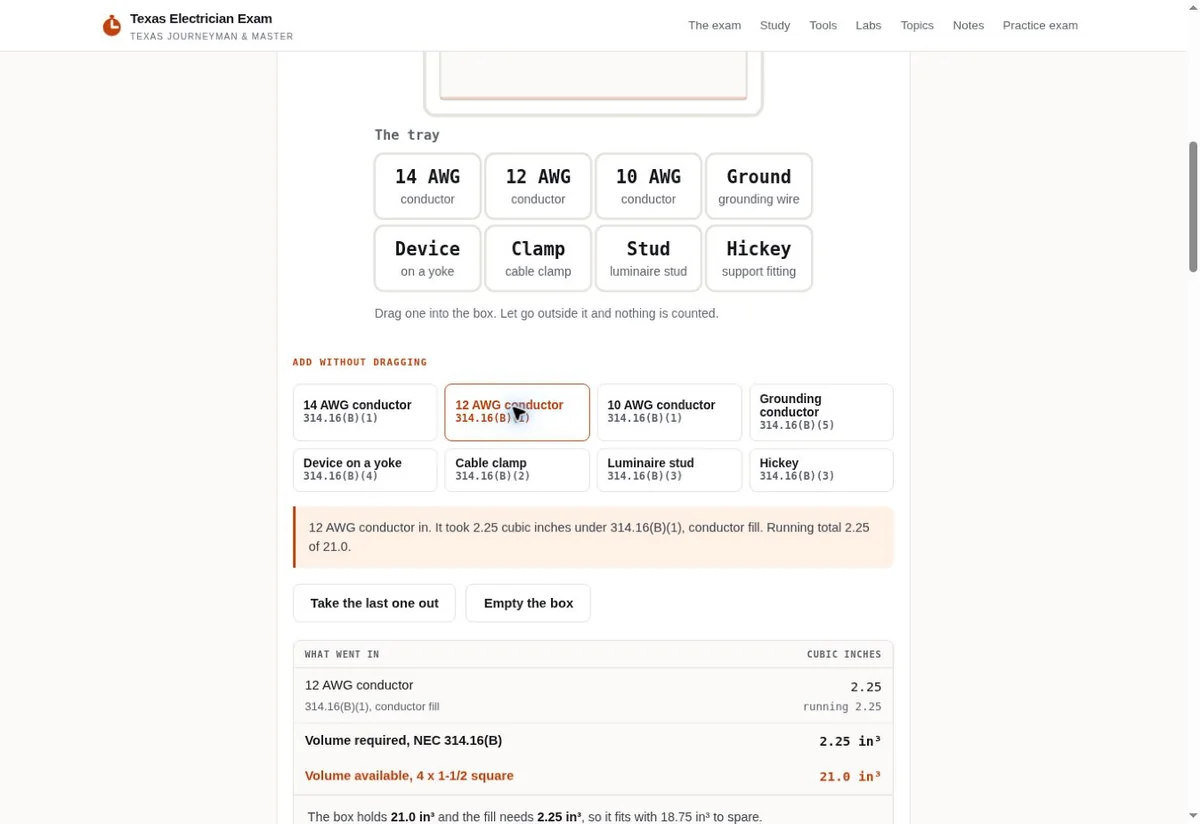
The exam screen puts an item name near the selected detail that describes it. We can plan a document field with the same clear connection between a reference and its purpose. Your business names the record holder and the person allowed to share the material. The customer can then request the right paper without having to interpret an unfamiliar document title.

Can a case image act as the customer's document?
Keep the pictured exam screen identified by its project name. If your provider wants to explain its own record instead, our draft can use an approved example with private details removed. Staff supply the accurate title and the explanation of what the record describes.
Who approves any source link?
Ask the person responsible for the document question. We can name the link's purpose once they confirm it. A public source may explain a process while still leaving the customer's particular project unanswered.

Distinguish a supplied paper from a new assurance about the work

Supplying an existing document answers a request for that record. We can keep any new assurance about electrical approval or compliance outside the page's automatic receipt and ordinary document description.

Electrical document request meanings
Document pointRecord informationProvider confirmation
Requested paperThe customer names what they want to receive. We can allow an incomplete title and preserve the question.The office has a document enquiry. The requested item still needs to be located.
Source holderThe provider identifies who holds the record and who may share it. Our explanation can follow that approved process.A known source doesn't mean every customer can obtain every record through the same route.
Project meaningAsk the responsible person what the existing document actually states. We can keep its title accurate.A document being supplied doesn't create a fresh inspection or compliance assurance.
New assuranceStaff identify any request that needs a new technical or authority answer. We can keep that question distinct.The provider or relevant authority must supply the answer. A marketing receipt leaves it open.
Hypothetical example A fictional customer asks an unnamed electrical provider whether a project record is available.

Before

  • The customer asks for a document from an earlier project discussion. The office hasn't checked whether it has that record.
  • A proposed contact receipt says the project is approved, even though the message only asked about record availability.

After

  • We can acknowledge the document question and pass it to the provider's designated record contact. The record's existence remains unchecked.
  • The later provider reply can explain the document it can supply. Any separate approval question remains with the person authorized to answer it.

Ask the responsible team to resolve missing project context

Unknown references and unclear document names need an office reply. We can explain that next contact without requiring a customer to diagnose the project or decide which electrical rules apply.

What if the request names the wrong project?
Staff can ask which earlier conversation the person means. We can provide a place for an uncertain reference and describe the office's clarification process. The writer shouldn't replace the customer's answer with a guessed job or address.
What if someone asks whether work was approved?
That question needs an answer from the responsible provider or authority. We can direct it to the route your business has approved. The public form should preserve the question as asked without changing it into a claim about the work.
How can an owner prevent misleading field help?
Read each field with the person who handles records. We can check whether it requests a known reference or an opinion the customer cannot supply. Replace technical assumptions with the office's accepted way to ask for context.

For an electrical business serving Indianapolis, a location may help staff find the project discussion. It doesn't establish the jurisdiction or the rules that apply. We can use the business's accepted location question if it is needed for the record search. Any explanation of local approval procedures would need its own checked source and provider approval. This addition can stay focused on locating the right document question.

  • Give the visitor a way to say the reference is unknown. We can show the office how that answer will appear in the proposed enquiry.
  • Keep a question about a document's meaning intact. Our writing should let the responsible staff member see what the customer wants explained.
  • Allow staff to direct the question elsewhere when they don't hold the record. We can explain only the referral process your provider approves.

Name the input that identifies the document question

A visible label can tell the customer which piece of project context belongs in each field. We can keep record identification separate from any request for a technical answer.

Texas Journeyman Prep homepage with two choices
Separate exam-date and application contact choices. View the project

The two named tasks on the Texas homepage give us a concrete example of contact choices with separate purposes. We can name your document question around the record a customer wants to discuss. A choice for proposed electrical work can retain its own description nearby. Staff can then approve each name against the kind of enquiry their office actually receives.

  1. Read the form heading We can ask whether it still names the requested project document. A visitor arriving from the explanation should recognize the same task.
  2. Read every field label Choose wording that tells a person which reference staff want. Our brief can include explicit labels for the earlier project and the document question.
  3. Read the action name The button should describe sending the document enquiry if that is the agreed action. We can avoid a name that implies the provider has already supplied a record.

Approve a document route that leaves technical answers with their authors

The public contact route needs the provider's approval for its document names and reply process. We can check that wording while the business retains control of technical and compliance statements.

What should the provider approve before publication?
Confirm the record names, the accepted project reference and the recipient who handles the request. We can prepare those items as one writing brief. The business also needs to approve any claim about which records it holds or can share.
How should a receipt read?
It should describe the message the office actually received, after delivery has been checked. We can make the document question explicit. The receipt should leave the availability check and any technical answer to the responsible staff member.
What should happen when the route changes?
Tell us when the record contact or approved instructions change. We can revise the page and its field help within the agreed website work. Your team should approve the new process before the public wording presents it.

Bring us a fictional example of the record question you want customers to send. We'll ask your office how it would handle that message and which unknowns require a reply. That can define the first addition clearly. Further work on project records or technical explanations should be agreed separately with their responsible authors. Our proposed writing supports contact, while those authors supply the actual answer.

Sources

Read more on this

Explore related industries