Need help?Jamie

Market service plans

Fountain Square SEO for Events and Creative Services

Your calendar changes every week, and people searching for your classes or private hire keep landing on a show that ended months ago.

Trojan Digital Marketing builds SEO strategy for venues, studios, galleries and specialist shops in Fountain Square, Indianapolis, Indiana, so a search for what you offer all year reaches that page first. It's for owners who say, "Google keeps showing last month's show instead of our classes." When Art Squared closes Virginia Avenue to cars, the fair needs its own dated page.

Send the form with your site address and the next two months of your event calendar. The first strategy call is free, and during business hours we aim to reply within five minutes.

  • Year-round offers kept apart from dated events
  • Past shows marked as over, with the next date linked
  • A free strategy call before any paid work

Jeff Clerisier has built sites since he began freelancing in 2016, so a dated Fountain Square page gets its end date planned before it goes up. An event page that's past its date gets retired or pointed to the next one, so a stale weekend doesn't linger in search results.

Illustrative website design workspace.
IllustrationSearch snippet preview for “seo fountain square indianapolis”A preview built from this page’s title tag and meta description for that search. It isn’t a live search result and shows no ranking.SNIPPET PREVIEWseo fountain square indianapolis|Trojan Digital Marketingtrojandigitalmarketing.com › indianapolis-f…Fountain Square SEO for Events andCreative ServicesSEO strategy for Fountain Square, Indianapolisvenues and shops: keep year-round pages aheadof expired events, from a team with 1,400+…

YOUR WORKING BRIEF

Choose where to start

Select the parts you want to discuss. Your choices carry into the inquiry form.

Discuss this service0 priorities selected

SEE HOW THE PIECES CONNECT

Explore the decisions
behind the plan.

THE TROJAN SYSTEMSEARCH
From a useful page to a relevant searchUseful websiteRelevant discoveryCRAWL · UNDERSTAND · CONNECT
  1. Useful website
  2. Crawl and understand the page
  3. Connect it to a relevant search
From a useful page to a relevant search

Trojan Digital Marketing plans Fountain Square SEO around the difference between a lasting creative service and a dated program. We organize event calendars, specialist products, portfolios, and private hire information so search visitors reach the offer that matches their question.

Visit Indy: Fountain Square Cultural District: Visit Indy identifies vintage shops, working artists, restaurants, and live performances around the Fountain Square cultural district. Our content architecture inference is to distinguish ongoing services from dated participation. The local guide supplies context, while your own calendar determines the pages required.

Questions about local SEO in Fountain Square, Indianapolis, Indiana

How much does SEO strategy cost for a Fountain Square business?

Ongoing SEO is priced after the free strategy call, because a venue that posts shows every week needs a different scope than a shop with a few steady product lines. The Marketing Startup Kit includes SEO: at $7,997 or three monthly payments of $2,799, it pairs twenty SEO blog posts and technical setup with a custom 15-page website.

How long before SEO changes show up in Google?

Nobody can honestly promise a ranking date, so you won't get one from us. The work itself can be timed: the Startup Kit's published example schedule has the twenty blog posts going up in weeks 5 to 8 and launch in weeks 9 to 12. On a site that already exists, we'd begin with any page that still sells an event that's over.

What should happen to our Art Squared page once the fair is over?

Keep it if it holds something people will still look for, like the artists you showed or photos from your spot on Virginia Avenue. Change its opening line to say the fair has ended, take out the buying language and link your next event or your regular classes. If there's nothing lasting on it, fold it into one past-events page.

Is it worth blogging about the flood-reduction construction?

Only if the post helps a customer do something. WRTV reported owners saying months of work on the 14 million dollar flood-reduction project had hurt sales, so a short, dated post saying you're open and which entrance to use can earn its place. A post that only repeats the news gives searchers nothing to act on, and it ages badly once the crews leave.

What happens first if we ask Trojan for help?

You send the form, and the first pass sorts your pages into two groups: things you offer all year, like classes or private hire, and things that happen once. Then we check which searches land on which group, since that's where most wasted visits start. The first strategy call is free, and during business hours we aim to reply within five minutes.

What if the SEO work doesn't bring in more bookings?

If SEO work doesn't bring more bookings, the numbers show it early, because private hire requests and ticket clicks are counted separately from the start. A page that gets visits and no requests has an offer or next-step problem, and that page gets reworked before anything new is written. We won't promise a ranking position or a sold-out date, since neither is ours to guarantee.

Do we have to sign a long contract?

Terms for ongoing SEO are agreed on the free strategy call, before any work starts, so nothing binds you until then. If you choose the Marketing Startup Kit, its three months of consulting start at launch, and keeping Trojan on after that is optional.

What in Fountain Square changes an SEO plan?

One-day street festivals and a long construction season both decide which pages a Fountain Square business needs, and these sourced facts show how.

  • Fountain Square began in the 1860s as a mostly German and Irish working-class neighborhood, became a busy commercial district by the early 1900s and was the last stop on the Virginia Avenue streetcar line. It's one of Indianapolis's designated cultural districts.

    An about or neighborhood page can tell this history in your own words, which gives visitors and search engines a clear picture of where you are.

    Encyclopedia of Indianapolis, 'Fountain Square'; Visit Indy, Fountain Square neighborhood pageChecked September 25, 2026
  • Art Squared turns Virginia Avenue and the blocks around it into a free, car-free art fair from 11 am to 5 pm, with local art vendors and an art competition carrying a 1,000 dollar prize. With Virginia Avenue closed to vehicles, parking gets tight.

    Give the fair a dated page with parking notes, kept apart from the pages that sell your regular classes or services.

    Hoodline, 'Fountain Square's Art Squared returns Saturday with 1,000 dollar contest prize'Checked September 25, 2026
  • WRTV reported in 2026 that Fountain Square business owners asked for support as a 14 million dollar flood-reduction project entered its final phase. They said months of construction had hurt sales, and one owner said lunch business had dropped 80 percent.

    While foot traffic is down, check that the pages people search for say you're open and how to get in.

    WRTV, 'Fountain Square businesses plead for support as 14M project enters final phase'Checked September 25, 2026

Art Squared's exact 2026 date wasn't confirmed, so check the organizer's announcement before a date goes on your page.

Which page should answer which Fountain Square search?

Each search below needs its own Fountain Square page, and this SEO table shows which page answers it and what that page must say.

What someone searches forPage that should answerWhat that page has to say
A private event space in Fountain Square
The permanent private hire page
What an organizer sends first and how a request gets reviewed
Something to do this weekend
The dated event page
The date up top and whether tickets remain
A show or fair they remember
The archive page
That it's over, with a link to the next date
A class or commission you offer all year
The service page
Who it suits and how to get started

What are the first steps in a Fountain Square SEO project?

The work starts by sorting what lasts from what expires, and these steps show the order and who handles each one.

  1. Send the formAdd your site address and the dates coming up, so the call starts from your real pages and your real calendar.Your team
  2. Talk it through on a free callBring the questions customers ask most, like whether the room can be booked privately.Together
  3. Sort lasting pages from dated onesEvery URL gets marked as lasting or dated, and each dated page gets a plan for the day after the event.Trojan
  4. Fix pages that sell what's overEnded events lose their buying language and point to the next date or the regular class page.Trojan
  5. Keep the calendar honestYour team updates dates and sold-out notes as they change, following a simple publishing routine agreed together.Your team

Distinguish the venue from the event it hosts

An event page answers who, what, and when. A venue page explains the place and its continuing offer. A private hire page addresses an organizer’s brief. Combining those jobs in one scrolling calendar can bury the information a commercial inquiry needs. Our search architecture review identifies which pages should remain permanent and which need dated states.

We compare existing URLs with the questions your team receives. If people asking about a private function land on a sold out public show, the fix may be a better destination and clearer internal links, rather than more copies of the same venue description.

Plan what happens after the program ends

A finished event may deserve an archive when its photographs, performers, or learning material remain useful. The page should identify that it has ended and direct readers to the relevant current program. A canceled event needs an accurate status and authoritative next steps. Those choices should be established before the next promotion begins.

Trojan can write the publishing rules and map them to the CMS. The scope includes titles, indexable destinations, navigation, and broken links from social or partner posts. Google’s SEO Starter Guide supports clear organization and useful descriptive content; adding dated URLs without maintenance does not supply either.

Turn a portfolio into evidence of service fit

A creative studio needs more than a wall of images. We can structure project pages around the original brief, your role, the medium, constraints, and finished deliverable. That gives a buyer enough context to decide whether a similar conversation belongs with your team. Permission determines which client names, site images, and project details can be used.

Supporting articles should answer a different question from the service page. A guide to preparing a mural brief can link to the studio’s commission service. The guide teaches preparation; the service page explains the engagement. This prevents a journal article and a sales page from making indistinguishable offers.

Build a proposed performance venue content map

Separate service coverage from an officeReal coverage · No invented office
Business
Start from the real business.
Coverage
Identify the places it actually serves.
Office
Do not turn a service area into an invented office.
Separate service coverage from an officeThis is a planning grid, not a ranking map. Publish only the areas the business actually serves.

Imagine a hypothetical venue whose calendar mixes concerts, private events, and rehearsal sessions. Search visitors see a long list of titles but cannot tell which activities they can arrange themselves. We would propose a stable venue overview, separate private hire and rehearsal explanations, and dated public event pages.

An event archive would retain the date and remove active buying language. The private hire page would describe the initial inquiry, information required from an organizer, and review of availability. A short planning guide could explain how to submit a useful event brief without publishing unsupported capacity, licensing, or accessibility claims.

Make the client inputs and implementation sequence visible

The first content workshop includes the person maintaining the program, the person handling commercial inquiries, and the editor responsible for the website. Bring current booking rules, approved venue facts, calendar data, and examples of recurring questions. We use those inputs to create an annotated page map and a priority list.

Implementation starts with misleading active offers and broken destinations, then improves permanent services and useful archives. The proposal states which pages we write, which templates need development, and which dates your team must maintain. Acceptance includes checking a current event, a completed event, and a commercial inquiry from a phone.

Read the results by audience and program state

Calendar traffic, ticket referrals, private hire inquiries, and creative commission requests should remain separate. A popular archive may serve discovery while producing no direct booking. A small service page may attract only a few inquiries that merit review. We define the measurement around those distinct purposes and the records your systems actually keep.

The next search decision follows the problem observed: clarify a venue condition, improve a commission example, consolidate an empty archive, or strengthen a link to the current program. This service provides the research, architecture, and implementation scope. It does not promise a ranking date or a booked event.

Put the first scope in order

  1. Classify current events, completed archives, and permanent commercial services.
  2. Give private hire and commission requests destinations distinct from public tickets.
  3. Test the transitions when a program is full, changed, or completed.

Explore Fountain Square marketing planning for the wider district approach, or return to Indianapolis marketing services. The full SEO service explains the broader engagement.

Discuss Fountain Square SEO priorities with Trojan. Bring the current website and the customer decision you want the project to address so we can define the relevant work, approvals, and review evidence.

Sources & further reading

YOUR NEXT MOVE
Make the next step count.

Add a branded lead source to your search plan.

For contractor growth beyond Indiana, we can scope an exclusive Garrison network alongside your existing search work.

Roofing and water restoration offers serve eligible markets outside Indiana. We confirm territory and routing before you commit.

Explore branded exclusive roofing leads or branded exclusive water restoration leads for your service area.

Ask about window replacement lead options when that’s the trade your team serves.

Discuss your trade and service area.

Build the repair guide from questions your shop can answer

Useful repair content explains which inquiry belongs with your staff. We ask what objects and concerns the shop actually reviews before planning a page that could imply every item is accepted.

A creative shop may sell an object without offering every kind of work associated with it. Someone who bought elsewhere may ask whether the shop can mend or change their item. We can help describe the business's actual assessment process. Staff need to say which questions they handle and which objects they can consider. The SEO brief should grow from that approved offer, rather than a broad repair phrase that suggests an unrestricted service.

Collect a few real questions with the customer's name removed. Ask what staff had to clarify before they could respond. We can use those gaps to plan the page. A question about a changed appearance may differ from a request to restore a function. The writer should preserve the buyer's intended result without promising that the shop can produce it. A clear scope lets the right person explain what assessment still needs to happen.

Should we publish a page for each wording a customer uses?
Related questions may fit one useful repair explanation. We can compare their actual meanings before proposing another page. A different phrase is not always a different service. Separate content is justified by an explanation of a distinct object or assessment task the business supports. The shop's approved offer gives that decision a basis. Avoid making several near-identical pages merely to repeat local repair terms.
What should be recorded from a staff question?
Keep the kind of object and the question that changed the first reply. We can also note which staff role needed to answer. Remove personal information before using it in the planning material. The page should address that buyer uncertainty in ordinary words. It does not need a real customer's story or an invented successful job to explain the shop's accepted inquiry route.

Ask for the condition clues staff need before an assessment

The inquiry should give staff useful object context without asking the customer to diagnose it. We can plan the prompts around the shop's actual initial assessment and the information it can handle.

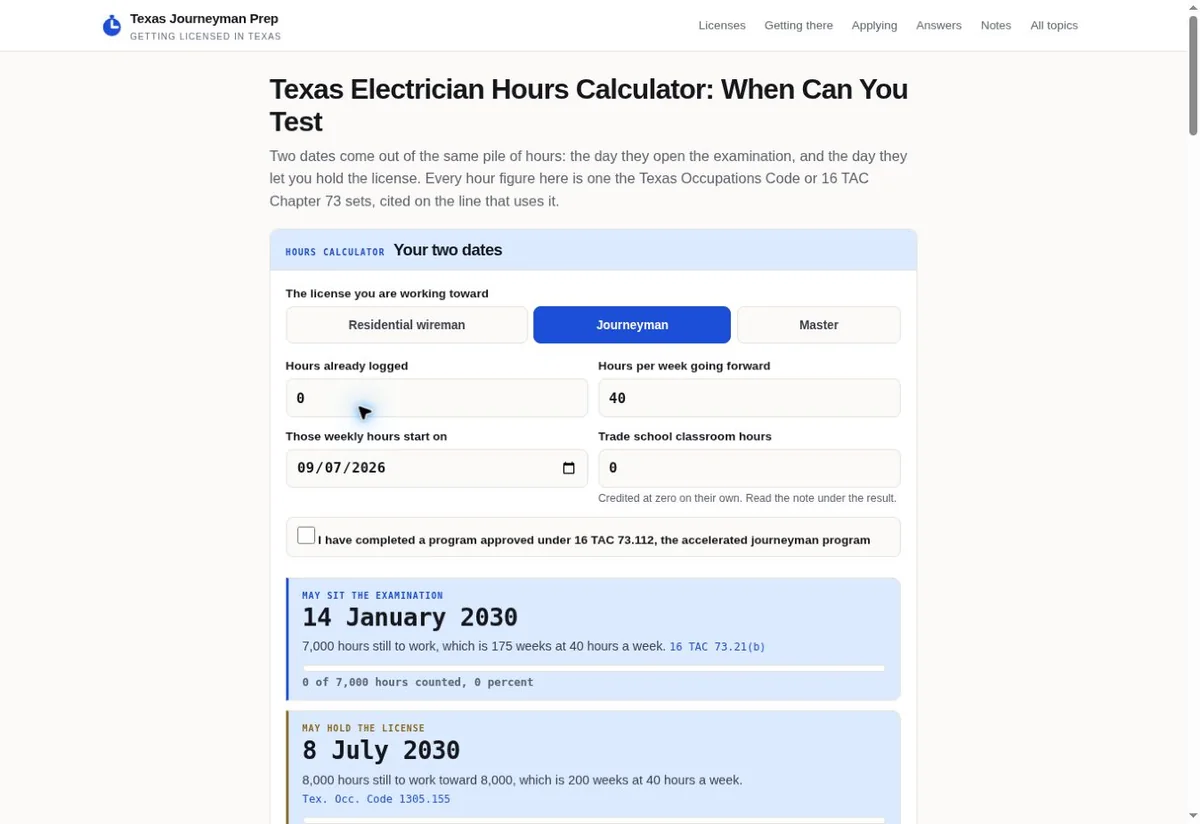
Texas Journeyman Prep calculator with labeled fields
Creative-shop repair question scope: Texas planning inputs with labels. View the project
A proposed initial assessment of an object question
Buyer detailQuestion for staffWhat the page can explain
Object identityWhich name or visible clue helps the shop recognize what is being discussed?We can request the identifying detail staff use. An uncertain name should remain uncertain rather than become a forced category choice.
Observed conditionWhat does the customer notice, and what can staff reasonably learn before seeing the object?Invite a plain description of the concern. The page should not turn that description into a technical finding.
Requested changeWhat result does the buyer hope the work will achieve?Keep the requested outcome distinct from the work the shop agrees to perform. Staff decide what can be assessed or offered.
Available imageWhich view would help the receiving team understand the question?Explain a useful optional photo when the shop approves it. A picture does not automatically establish suitability, a price or an accepted repair.

The Texas Journeyman Prep calculator pictured alongside this section presents labeled planning fields. We can use its visible structure to discuss how a prompt has a defined purpose. It does not assess a Fountain Square customer's object. Your shop supplies the details its reviewers need. The proposed repair inquiry should carry those details without requiring a technical conclusion the buyer cannot reasonably give.

Ask whether a field actually affects the first staff decision. If the team cannot use a requested detail until later, it may not belong in the opening form. We can explain an optional image or a short condition description near the relevant control. Keep the task understandable on a phone. The buyer should know what to send and what the shop still needs to decide afterward.

  1. Name the object question Use the words staff can recognize and explain. We can include a short prompt for an unknown object label. The field should help the team understand the question without demanding a guessed product name.
  2. Ask what the buyer notices Request an observation in plain language. We should not make the person choose a diagnosis. The shop's actual reviewer decides which further questions or inspection may be needed before any work can be offered.
  3. Preserve the requested outcome Carry what the buyer hopes to change into the receiving message. We can keep it separate from an approved job description. Staff need to see the request's purpose without the form declaring that result achievable.

Explain when an inquiry becomes a quote or an accepted job

Sending an object question does not settle the agreed repair work. We can help the shop describe its actual review stages so the page's action and receipt reflect the state staff have established.

Should the first button say book a repair?
Use that label only when the supported process actually accepts that booking. Many object questions still need a staff decision before a job can be offered. We can ask which state the opening action establishes. The wording may need to invite an assessment question instead. The business approves its process. A strong sales label should not promise accepted work when the screen only sends context for assessment.
Can the page display a price for an unknown object?
The shop should approve the price's stated meaning and conditions. We can explain an actual assessment charge or a published service price when the business supplies it. Do not manufacture an estimate from a photo or a few fields. If staff must inspect the item first, that dependency belongs beside the question route. The page should leave the buyer able to understand what has and has not been quoted.
What should the first receipt say?
Describe the question received when the system confirms that step. We can include the relevant object clue and the approved next contact. The message should not announce that the shop accepted the repair or agreed the requested outcome. Any response timing comes from the receiving team. The wording needs to fit their real review, including the case where they ask for more information before reaching a decision.

Write the stage labels with the people who handle those records. We can ask them to identify when they have enough information to offer a quote and when the customer has accepted it. The site may describe that sequence without connecting directly to a job system. If a live status feature is proposed, the quote needs its actual record source and an acceptance check.

A request for an alteration can involve choices that remain unsettled after the object is assessed. Keep the customer's desired change visible while staff explain what they can offer. We can avoid wording that turns a proposed revision into a finished-work promise. The shop's approved terms settle its commitment. The website should present those terms clearly rather than borrow another provider's repair process.

  • Ask what an assessment charge pays for when the shop has one. We can explain the approved meaning beside the request. A payment to inspect an object may still leave the accepted repair work undecided. The page should not describe that charge as the full job price.
  • Keep a requested alteration tied to the buyer's own words. We can ask staff how they confirm the proposed change before quoting it. A photo may show the item but leave the desired result unclear. The quote needs the shop's actual approved description of what is offered.
  • Read any bring it in instruction with the receiving team. We should know whether it is an invitation for assessment or permission to leave an accepted job. The business decides what each state means. A broad drop-off label may hide that difference from a first-time customer.
  • Check which person can approve a changed quote. We can label the customer's response according to the shop's process. A comment asking for another option should not be treated as acceptance of the earlier offer. The receiving record needs to preserve that open question.
  • Inspect the contact route for a job already being reviewed. We can keep a returning question linked to its object clue. The person should not have to submit another new-work request merely to ask what the team still needs. The shop approves how that link is maintained.

Give an unsuitable object a useful explanation

The guide should make the shop's boundaries clear before a customer plans a drop-off. We can describe an approved limit without diagnosing an object or inventing another provider's willingness to accept it.

Hypothetical example A fictional Fountain Square shop receives an object it has not assessed

Before

  • A hypothetical creative shop publishes a repair page with pictures of restored objects. A customer sees one that resembles their own and asks for a similar change. The page's broad wording appears to accept every object in that category.
  • The shop's actual proposed offer requires a staff assessment of condition and the requested result. The contact form says repair confirmed after receiving the message. The customer could read those combined signals as permission to bring the item in before staff have answered.

After

  • We would ask the shop to approve the objects and conditions it can consider. The page would explain the initial question route and preserve the need for assessment. Each pictured example would retain its own context rather than suggest universal acceptance.
  • The proposed receipt would describe the inquiry sent and the next staff step. An object outside the stated scope would receive the business-approved explanation or contact route. This example claims no client, diagnosis, completed repair or confirmed referral.

A limit can be specific without becoming an unsupported technical warning. The shop may simply say it does not offer a named type of work when that fact is approved. We can place that boundary where it affects the decision. A shopper should not have to read the entire page before discovering that their request belongs elsewhere. The explanation needs the store's actual words about what it accepts.

If the business recommends another contact, confirm what that recommendation means. We can write an approved referral route while keeping the receiving provider's acceptance separate. A link does not guarantee that another shop will handle the object. The person may still need an inspection there. Avoid claiming authorization, skill or availability for a provider based only on a name staff have used before.

  • Read the illustrated object's caption. We can ask which condition made that example relevant to the shop's own approved offer.
  • Keep a rejected request out of a success story. A proposed teaching example can explain the boundary without inventing a real repair outcome.
  • Check whether a drop-off instruction applies before or after staff assessment. Our page should not encourage an arrival the team has not agreed to handle.
  • Ask the shop who can approve a later scope change. A repair category that was once accepted may need revised public wording when the offer changes.

Make the question route readable and discoverable

A search visitor should reach the repair explanation and its relevant contact with little guesswork. We can connect the guide to the actual offer while keeping the assessment boundary clear at the point of action.

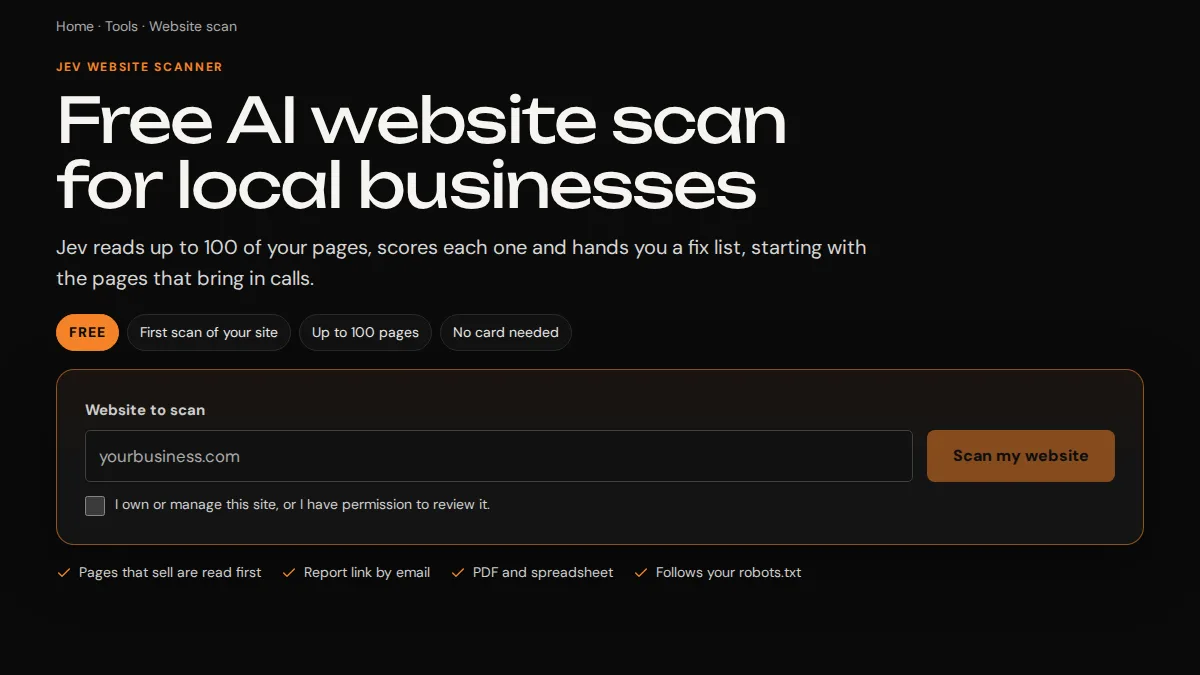
Jev scanner website input and scan action
Creative-shop repair question scope: Scanner website input and button. View the project

Jev's scanner image beside this section shows a website input and scan action. That existing screen gives us a defined starting task to discuss. It is not a repair-assessment service. We can use the visible input/action relationship as format context for a shop's object question. The shop still supplies its approved prompts and the staff route able to handle them.

Use a title that describes the guide's real subject. If the shop reviews alteration questions for a particular kind of object, the page should say so. We can connect it with the broader shop page through useful links. A generic repair headline may promise a wider service than the business offers. The SEO task should help the reader find the appropriate explanation, with its actual scope intact.

Where should the condition question appear?
Put it near the offer and the action that starts review. We can ask staff which observation they need first. The page should explain that in text rather than hide it inside an image. A search visitor may arrive directly at the guide without reading the homepage. They need enough context to understand what the shop can consider and what remains for the receiving person to decide.
Can a guide help when there is no search data?
It can answer a documented customer question using the business's approved process. We can plan that content value without inventing search volume or a likely ranking. Later available search observations may show how people reach it. The initial choice should stay tied to the question staff actually handle. Missing data is a reason to limit conclusions, not to claim demand from the neighborhood's retail mix.
  1. Follow the relevant service link Start at the shop page and open the repair guidance. We can inspect whether the visitor reaches the same scope the link suggests. A misleading title should be corrected with the owner.
  2. Read the question action Check what the button invites and what the first screen asks. Our review should preserve the difference between sending an object question and accepting a job. The business approves that meaning.
  3. Check a marked receiving sample Use fictional object context and ask staff what arrived. We can inspect whether the condition and requested result remain connected. A success screen alone does not prove the receiving view is useful.

Price the guide around the approved repair offer

The first proposal should name the customer question and the shop's assessment boundary. We can then plan the content and link checks without promising every object will become a quoted job.

Which object question should we discuss on the first call?
Bring the repair page alongside a customer question with personal details removed that staff needed to clarify. Identify the person who approves the shop's accepted work. We can discuss the difference between a general object query and an assessment request. The first strategy call is free. A specific question gives the agreed work a purpose before anyone suggests a larger set of articles or a new form.
How should we compare writing proposals?
Ask which questions and supporting examples are included. We can identify the approved offer needed for each one and the contact checks in scope. The proposal should state whether it supplies only page wording or changes the receiving route too. A bundle of articles may leave the misleading repair action untouched. Compare the actual tasks and their factual dependencies rather than a promised amount of local search exposure.
What establishes that the guide is ready?
The appropriate checker approves its scope and example meanings. We can then check the route a search visitor would follow, using a marked question when agreed. The page should explain which decision belongs to staff and which action the visitor can take. A later search result is another observation. It does not establish that the shop accepted the object or that the requested repair can be completed.

Begin with the question that causes the shop's most useful clarification. We can build an accurate explanation around that real task and identify the next missing detail. The business supplies its acceptance boundaries. The website work should help a person understand them before arranging a visit. That gives the new guide a practical role alongside the shop's existing creative services and dated program content.

Sources

From the businesses we've worked with

“Jeff was the best social media manager and campaign manager strategist I ever had”
L. LaBeachIzzy's Empanadas · Jeff ran its marketing, 2018 to 2021

KNOW YOUR NEXT STEP

Let’s talk about
Indianapolis.

Based in Indianapolis, we serve businesses across central Indiana, including Carmel, Fishers, Zionsville, Westfield, Noblesville, Greenwood, Avon and Plainfield, and clients across the United States.

Talk with Trojan

Indianapolis, Indiana

Service area map

Explore Indianapolis on OpenStreetMapArea reference; this is not an office pin. Map © OpenStreetMap contributors.